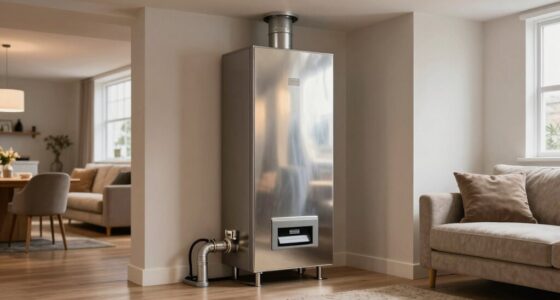
To stay comfortable in a wood-heated home, managing indoor humidity is key. Wet firewood releases excess moisture, raising humidity levels, which can cause mold, dampness, and structural issues. To prevent this, guarantee your firewood is well-dried and ventilate your space properly. Good airflow helps remove excess moisture and keeps air fresh. Keep an eye on humidity levels for a healthier, more comfortable home—more tips will help you maintain ideal balance.

Get business pricing on tools and workshop supplies
- Business-only prices and quantity discounts
- Tax-exempt purchasing
- Multiple users, one account, clear invoices
Key Takeaways
- Properly seasoned, dry wood minimizes indoor humidity and enhances comfort during heating.
- Adequate ventilation prevents moisture buildup and maintains balanced indoor humidity levels.
- Using moisture-resistant storage for firewood prevents excess humidity from entering the home.
- Managing indoor humidity reduces mold growth, dampness, and related health issues.
- Monitoring and adjusting indoor airflow supports a comfortable, healthy wood-heated living environment.
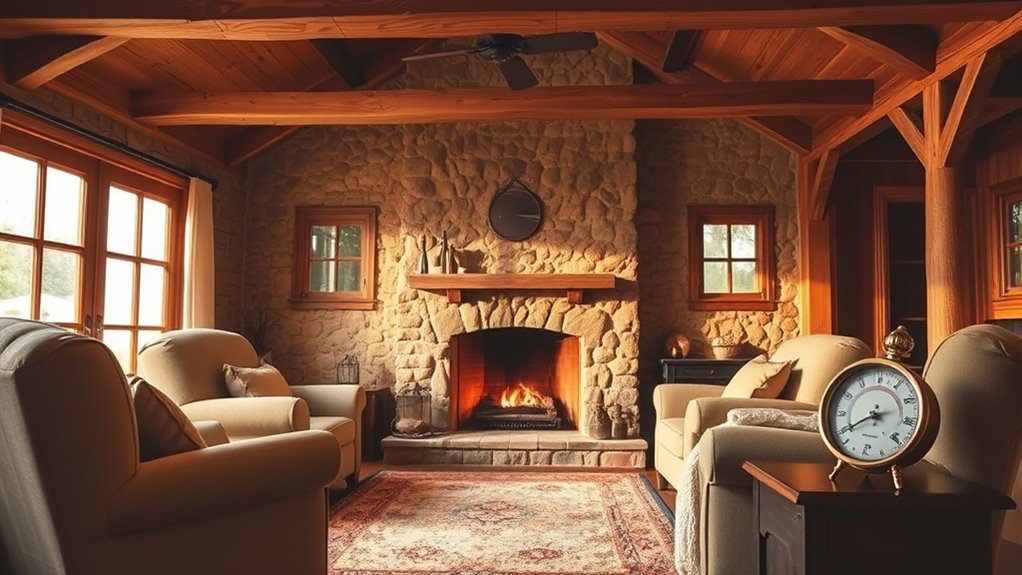
When heating your home with wood, managing humidity levels becomes essential for maintaining comfort. Wood moisture content plays a significant role in how much humidity is introduced into your indoor environment. If the wood you burn has high moisture, it releases more water vapor into the air, which can lead to excess humidity. Conversely, properly seasoned wood with low moisture content produces less indoor humidity, helping you avoid problems like mold, condensation, and a damp feeling in your home. To keep humidity balanced, you need to be aware of the wood’s moisture level and ensure it’s adequately dried before burning. This not only improves combustion efficiency but also prevents excessive moisture from entering your living space. Using self-watering plant pots can help maintain indoor humidity at ideal levels by providing consistent moisture, especially in homes with variable humidity conditions.
Indoor ventilation is equally critical in maintaining a comfortable and healthy environment when burning wood. Good ventilation ensures that excess humidity doesn’t build up, especially during the colder months when windows and doors tend to stay closed. Proper airflow helps to regulate indoor humidity levels by allowing excess moisture to escape and fresh air to circulate, preventing the air from becoming stale or overly damp. If you notice condensation on windows or a persistent damp smell, it’s a sign that your ventilation might need improvement. Opening windows briefly or installing vents can help balance humidity, especially during or after a fire. Additionally, using exhaust fans in areas prone to moisture buildup, like kitchens or bathrooms, can support indoor ventilation and reduce the risk of mold growth.
Balancing wood moisture and indoor ventilation isn’t just about comfort; it’s also about protecting your home’s structure. Excess humidity can cause wood framing, drywall, and insulation to deteriorate over time. It can also lead to health issues, such as respiratory problems or allergy symptoms. To prevent these issues, always store your firewood in a dry, covered area away from moisture sources. Regularly check your home’s ventilation system, and consider adding air purifiers or dehumidifiers if necessary to keep humidity levels in check. By paying attention to these factors, you’ll create a healthier, more comfortable environment for you and your family, ensuring that your wood heating system is both effective and safe.
As an affiliate, we earn on qualifying purchases.
Frequently Asked Questions
How Does Outdoor Climate Affect Indoor Humidity Levels?
Outdoor climate directly impacts your indoor humidity levels, as outdoor air quality and weather conditions influence your home’s environment. When the air is humid outside, it can raise indoor moisture, making your space feel damp. Proper ventilation strategies help control this by exchanging indoor and outdoor air efficiently, keeping humidity balanced. You can improve comfort by adjusting ventilation based on outdoor climate, ensuring your home stays cozy and healthy.
Can Humidity Problems Cause Structural Damage Over Time?
You might not realize it, but humidity problems can cause serious structural damage over time. Excess moisture encourages wood decay and mold growth, weakening your home’s foundation and walls. If you ignore humidity levels, you risk costly repairs and health issues. Keep your indoor environment balanced, and you’ll protect your home from the hidden dangers that high humidity can bring, ensuring it stays safe and sturdy for years.
Are There Health Risks Associated With Improper Humidity Management?
Yes, improper humidity management can pose health concerns for you. Excess humidity creates a perfect environment for mold growth, which can trigger allergies, asthma, and respiratory issues. On the other hand, too low humidity causes dry skin and irritation. To stay healthy, you should monitor and maintain balanced humidity levels, ensuring your home remains comfortable and mold-free. Proper control helps prevent these health risks and promotes overall well-being.
What Are the Best Tools to Measure Indoor Humidity Accurately?
Think of your hygrometer as a tiny compass guiding your home’s comfort. For the best accuracy, choose a digital hygrometer; it provides precise readings instantly, making it easier to monitor humidity levels. While analog hygrometers have charm, they’re less reliable and need calibration. Prioritize hygrometer accuracy, so you can maintain ideal indoor moisture, ensuring a cozy, healthy environment in your wood-heated home.
How Do Seasonal Changes Influence Indoor Humidity in Wood-Heated Homes?
Seasonal moisture fluctuations substantially impact your indoor humidity in a wood-heated home. During winter, dry air from heating reduces humidity, affecting comfort and indoor air quality. In contrast, warmer months may introduce higher humidity levels, risking mold and mildew. To maintain ideal indoor air quality year-round, monitor humidity levels with reliable tools, and adjust with humidifiers or dehumidifiers as needed. Staying aware of seasonal changes helps you keep a healthy, comfortable environment.
Conclusion
You might think that warmth alone creates comfort, but humidity tells a different story. In wood-heated homes, balancing moisture levels transforms a cozy space into a haven of well-being. Without proper humidity, dry air can sap your comfort, much like a cold wind pierces through a thin coat. Embracing the right humidity levels bridges the gap between heat and health, reminding you that true comfort isn’t just about warmth—it’s about creating a balanced, inviting atmosphere.
Fall yard work Picks
leaf blowers
As an affiliate, we earn on qualifying purchases.