
To safely dispose of ash, you should wait at least 24 hours after burning before handling or discarding it. This allows all residual heat and tiny embers to cool down completely, reducing fire or burn risks. Use a metal container with a tight lid to store cooled ash, and avoid plastic or flammable materials. Following this simple rule helps prevent accidents and keeps your environment safe—learn more about best practices by exploring further.

Get business pricing on tools and workshop supplies
- Business-only prices and quantity discounts
- Tax-exempt purchasing
- Multiple users, one account, clear invoices
Key Takeaways
- Waiting 24 hours ensures residual heat dissipates, preventing burns or accidental fires when handling ash.
- The “Cold for 24 Hours” rule minimizes the risk of re-ignition from tiny embers still in the ash.
- Fully cooled ash is safe to handle with metal tools and dispose of in approved containers or trash.
- This rule promotes responsible disposal by reducing fire hazards and protecting the environment.
- Allowing ash to cool fully aligns with safety guidelines and local regulations for proper disposal.
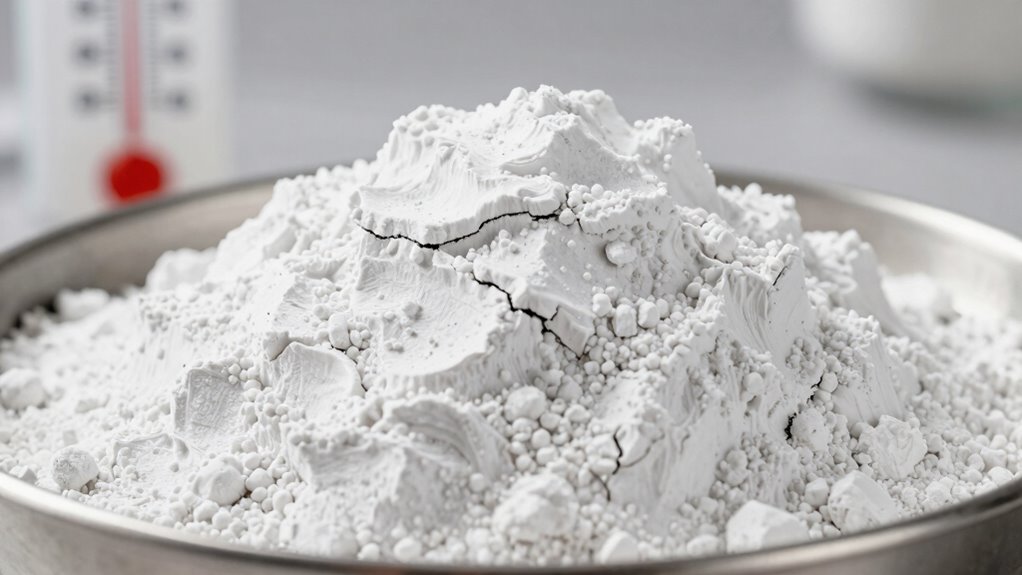
Have you ever wondered what happens to the ash left behind after burning fuel or biomass? It’s an essential question because proper ash disposal isn’t just about cleaning up; it’s about safety too. When you’re done burning, ash cleanup becomes a vital step to prevent potential hazards. Even though it looks harmless, ash can retain heat for hours after the fire is out. That’s why many experts recommend the “cold for 24 hours” rule before handling or disposing of it. This simple guideline helps guarantee the ash has cooled completely, reducing the risk of accidental fires or burns.
Always wait 24 hours before handling cooled ash to prevent fires and burns.
Understanding safe handling practices is key. Once you’ve finished with your fire or stove, don’t rush to clean up the ash right away. Instead, wait at least 24 hours to allow it to cool thoroughly. During this time, the residual heat naturally dissipates, making the ash safe to touch and move. If you handle hot ash prematurely, you risk igniting nearby combustible materials or causing burns. Additionally, hot ash can contain tiny embers that might reignite if disturbed too soon, so patience is essential. Proper disposal methods also involve awareness of ash composition, which can vary depending on the materials burned and influence how it should be handled and disposed of safely.
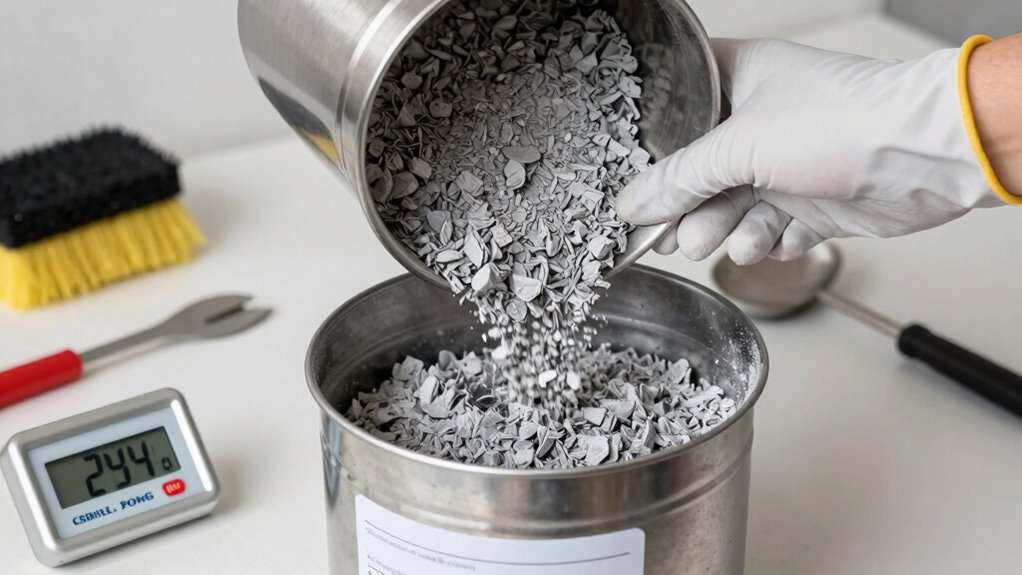
When you’re ready to clean up, use a metal shovel or scoop to carefully collect the cooled ash. Avoid using plastic tools, as they can melt if the ash isn’t fully cooled. Place the ash in a metal container with a tight-fitting lid, preferably one designed for ash disposal. Never store ash in a plastic or cardboard container, as these materials can catch fire if any residual heat remains. Make sure the container is sturdy and kept away from any flammable objects, such as paper, fabric, or wood.
Disposing of ash safely also involves understanding where you should take it. Many local regulations recommend disposing of ash in your regular trash, but only after confirming it’s fully cooled and properly contained. Some communities have designated disposal sites or specific guidelines for ash disposal, so check your local regulations to be sure. Never dump ash directly into compost piles or flower beds, as the alkaline nature of ash can harm plants and soil health.
As an affiliate, we earn on qualifying purchases.
Frequently Asked Questions
Can the “Cold for 24 Hours” Rule Vary by Ash Type?
Yes, the “cold for 24 hours” rule can vary by ash type because ash consistency influences how it cools and its safe storage methods. For wetter or more moist ash, you might need to wait longer before handling or disposing of it safely. Conversely, dry ash typically cools faster. Always consider the specific ash storage methods recommended for each ash type to prevent fires or hazards.
What if I Need to Dispose of Hot Ashes Urgently?
If you need to dispose of hot ashes urgently, you should carefully transfer them to a metal container with a tight-fitting lid for ash recycling or safe ash storage. Keep the container outdoors and away from flammable materials. Always make certain ashes are completely cooled before handling or disposal to prevent fire hazards. If in doubt, consult local regulations for proper disposal methods and avoid risking accidental fires.
Are There Specific Safety Gear Recommendations During Ash Handling?
When handling ashes, you should wear protective clothing like long sleeves, gloves, and closed-toe shoes to prevent burns and skin contact. Use respiratory protection, such as a mask, to avoid inhaling fine ash particles, which can irritate your lungs. Always handle ashes carefully and make certain they are completely cooled before disposal. Staying protected ensures your safety and reduces health risks during ash handling.
How Does Weather Affect Ash Cooling and Disposal Procedures?
Weather acts like a fickle friend or foe, influencing ash cooling and disposal. When temperatures drop, the ash cools faster, but high moisture can turn it into a stubborn mudslide, delaying safe handling. Hot, dry days speed up cooling but pose fire risks. You need to take into account temperature considerations and moisture impact to guarantee ash cools thoroughly and safely, preventing hazards that can turn your disposal process into a weather-wild ride.
Is There a Legal Limit on Ash Disposal Quantities?
Yes, there are legal regulations that set disposal limits on ash quantities you can handle or store. These regulations vary by location and are designed to prevent environmental harm and health risks. You need to check local, state, or federal guidelines to make certain of compliance. Failing to follow disposal limits might lead to fines or legal action, so always stay informed about the specific legal requirements for ash disposal in your area.
Conclusion
Now that you understand the “cold for 24 hours” rule, you can safely dispose of your ash without worry. It’s a simple step that protects your home and loved ones from potential fire hazards. Are you willing to take that extra moment to guarantee safety? Remember, a little care goes a long way in preventing accidents. By following this rule, you’re making a smart, responsible choice—because safety should always come first.
Fall Picks
fall essentials
As an affiliate, we earn on qualifying purchases.