
To reduce smoke and keep your fires neighbor-friendly, use well-seasoned wood with less than 20% moisture. Guarantee proper airflow to maintain a hot, clean burn, and avoid overloading your stove or fireplace. Regularly remove ashes and start fires with kindling for better combustion. Maintaining the right burn temperature results in less smoke and more heat. Keep these habits in mind, and you’ll discover more tips for cleaner, more efficient fires that everyone can enjoy.
Key Takeaways
- Use well-seasoned, dry wood with moisture content below 20% to ensure cleaner, hotter burns.
- Maintain proper airflow and burn temperature for complete combustion and minimal smoke.
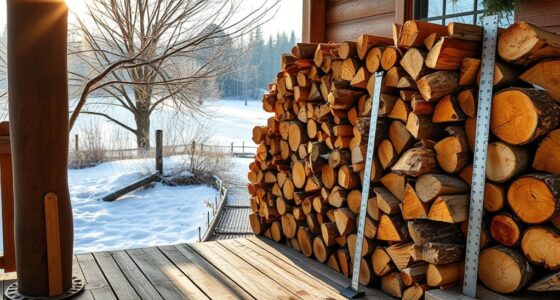
- Stack wood properly to ensure good ventilation and prevent smoldering fires.
- Regularly remove ashes to keep air passages clear and support efficient burning.
- Start fires with kindling and small splits, adding larger logs gradually for a clean, consistent fire.

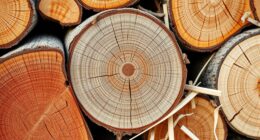
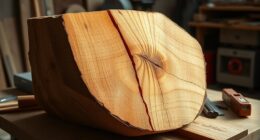
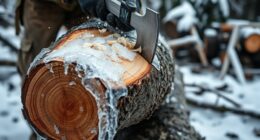
Burning wood responsibly is essential to keep your neighbors happy and minimize air pollution. One of the most important factors in achieving a cleaner burn is understanding the role of wood moisture. When your firewood has high moisture content, it produces more smoke because the excess water needs to evaporate during combustion. Wet or green wood can contain over 20% moisture, leading to incomplete combustion and increased smoke emissions. To reduce smoke and improve your fire’s efficiency, always use well-seasoned wood that has been dried for at least six to twelve months. Properly seasoned wood typically has a moisture content below 20%, which burns cleaner and hotter, releasing less particulate matter into the air. Additionally, storing your wood properly in a dry, covered area helps maintain its dryness and ensures better burning conditions.
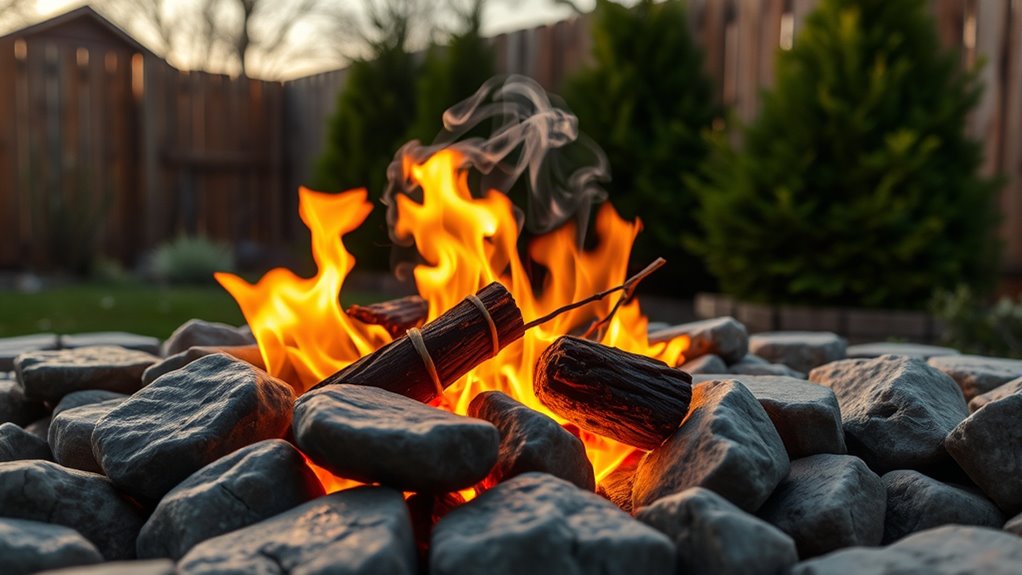
Another critical aspect is managing the burn temperature. Achieving an *ideal* burn temperature ensures that the wood combusts thoroughly, reducing smoke and harmful emissions. When the fire is too cool, incomplete combustion occurs, resulting in more smoke and creosote buildup, which can be hazardous and cause chimney fires. Conversely, if the fire is too hot, you waste energy and risk damaging your stove or fireplace. The goal is to maintain a burn temperature that allows the fire to burn hot enough to ignite all the gases and particles released from the wood. This usually means maintaining a bright, lively flame and avoiding smoldering fires. Using a thermometer can help you monitor the temperature and adjust your airflow accordingly. Increasing airflow boosts the burn temperature, making the fire burn hotter and more completely, which reduces smoke.
Controlling the burn temperature also involves how you load and maintain your fire. Stacking the wood properly ensures good airflow, which is essential for reaching the right temperature. Avoid overloading the stove or fireplace, as overcrowding can smother the fire and cause it to smolder, producing more smoke. Regularly removing ashes is another way to keep airflow unobstructed, allowing the fire to sustain a higher burn temperature. When you’re starting a fire, use kindling and smaller splits to get the fire going quickly and efficiently, then add larger logs gradually. This method helps establish a hot, clean burn early on, reducing the amount of smoke produced. Using seasoned wood and maintaining proper airflow are key to achieving a cleaner, more efficient fire.
Frequently Asked Questions
What Are the Health Impacts of Smoke Exposure on Neighbors?
When you’re exposed to smoke from nearby fires, it can harm your indoor air quality and respiratory health. Smoke particles can cause coughing, wheezing, or shortness of breath, especially if you have asthma or allergies. Long-term exposure may lead to more serious issues like lung damage. To protect yourself, keep windows closed, use air purifiers, and avoid outdoor activities during heavy smoke.
How Can Local Regulations Help Reduce Smoke Emissions?
You might worry about strict regulations, but they’re essential for improving air quality and protecting your health. Local regulations can set emission standards that limit smoke from residential fires, ensuring cleaner air for everyone. By enforcing these standards, communities reduce harmful pollutants, preventing health issues and neighbor conflicts. Strong regulations create a safer, more pleasant environment, showing that responsible fire practices benefit all—especially your loved ones and neighbors.
Are There Specific Types of Wood or Fuels That Produce Less Smoke?
You can reduce smoke by choosing alternative fuels like seasoned hardwoods or sustainably sourced wood, which burn cleaner. Select wood with low moisture content, as it produces less smoke and ash. Avoid softwoods and green or wet wood, since they generate more smoke. Proper wood selection and using alternative fuels help keep your fires neighbor-friendly and environmentally responsible, making your outdoor burning safer and more efficient.
What Tools or Devices Can Monitor Smoke Levels Effectively?
Think of smoke level sensors and air quality monitors as your home’s health checkups, constantly measuring how clean or smoky the air is. These devices effectively track smoke levels in real-time, alerting you before smoke becomes a problem. Use portable or stationary air quality monitors to keep an eye on your fire’s emissions, ensuring you burn responsibly and neighbor-friendly. Staying informed helps you reduce smoke and maintain good relations.
How Can Community Awareness Programs Promote Neighbor-Friendly Burning Practices?
You can promote neighbor-friendly burning practices by organizing community workshops that educate residents on proper burning techniques and the benefits of reduced smoke. Use educational signage in common areas to remind neighbors about safe burning practices and the importance of minimizing smoke. Encourage open dialogue and share success stories to foster a sense of community responsibility. These efforts help everyone understand how their actions impact neighbors and the environment.
Conclusion
By choosing cleaner fires, you become a breath of fresh air in your neighborhood’s story. Your efforts turn smoky clouds into whispering breezes, weaving harmony between you and your neighbors. Just as a gentle fire warms without choking, your mindful burning creates a dance of respect and care. So, ignite with kindness, and let your fire be a beacon of community and clean air—transforming the smoke into a legacy of harmony.