
EPA ratings tell you how efficiently and cleanly a stove operates, giving you a clear idea of its energy use and emission levels. They show whether a stove meets safety standards and limits on pollutants, helping you choose models that are safer for indoor air quality and the environment. Higher ratings usually mean better performance and less pollution. If you want to find out more about what these ratings mean for your choices, keep exploring the details.
Key Takeaways
- EPA ratings indicate a stove’s energy efficiency and emission levels, ensuring compliance with safety and environmental standards.
- Higher ratings correlate with lower emissions, improving indoor air quality and reducing environmental impact.
- Ratings are based on standardized testing of combustion performance and pollutant output for accurate comparison.
- They help consumers assess long-term safety, efficiency, and potential savings from rebates or tax credits.
- EPA ratings provide a clear, comparable measure to evaluate a stove’s environmental performance beyond price or brand.
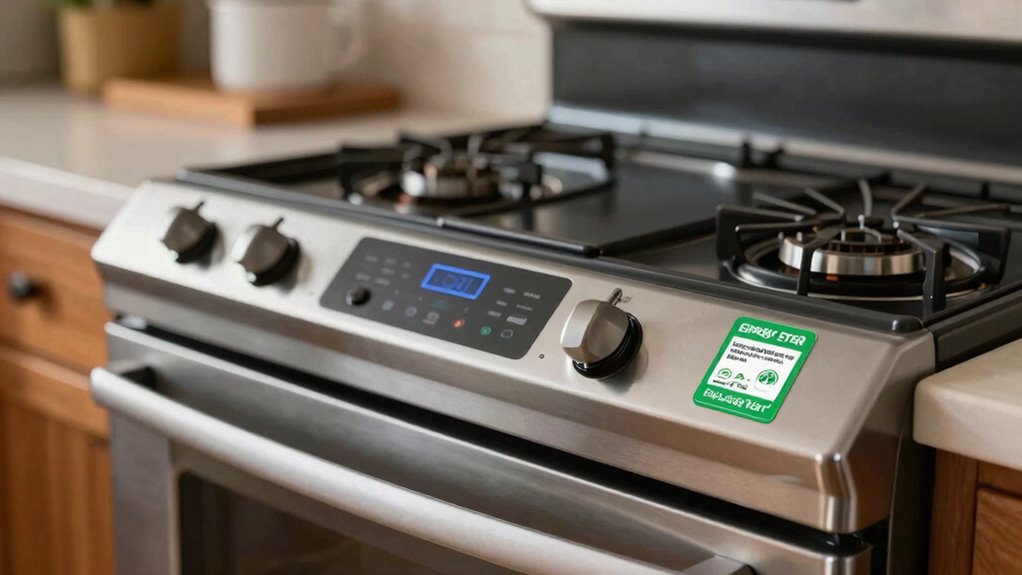
When choosing a stove, understanding EPA ratings is essential because they directly indicate the appliance’s efficiency and safety. These ratings give you a clear snapshot of how well the stove performs regarding energy efficiency and compliance with emission standards. These standards are designed to limit the amount of pollutants released into the air during operation. These standards are designed to limit the amount of pollutants released into the air during operation. A stove that meets or exceeds these standards ensures you’re not contributing excessively to air pollution or exposing your family to harmful emissions. When a stove has a high EPA rating, it indicates the appliance operates within strict emission guidelines, making it safer for indoor air quality and the environment. You might not always see these details on the surface, but EPA ratings dig deep into a stove’s combustion process and emissions output, giving you peace of mind that the appliance adheres to national safety and environmental regulations****. Understanding emission standards can also help you select appliances that are more environmentally friendly and sustainable. For example, a higher EPA rating often correlates with **reduced emissions, which benefits both your indoor air quality and the environment. Additionally, appliances with higher EPA ratings often incorporate advanced combustion technology, enhancing their overall performance and safety. Recognizing the testing procedures used to determine EPA ratings can further help you trust the accuracy of these assessments. The EPA rating system is also a helpful guide for comparing different stoves. It provides a standardized way to evaluate models based on their energy consumption and emission levels. This means you can look beyond just the price or brand and focus on the long-term benefits of efficiency and safety. Stoves with top EPA ratings often come with certifications or labels that communicate their compliance with strict standards**, making your decision easier. Plus, choosing an EPA-rated stove can qualify you for tax credits or rebates, further saving money.
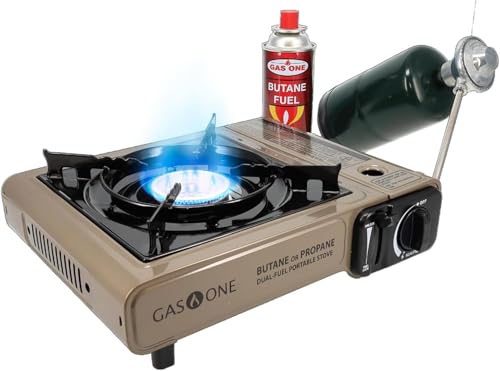
Gas One GS-3400P Propane or Butane Stove Dual Fuel Stove Portable Camping Stove – Patented – with Carrying Case Great for Emergency Preparedness Kit
- Dual Fuel Compatibility: Works with butane or propane
- Automatic Ignition: Piezo-electric ignition eliminates lighters
- User-Friendly Design: Adjustable heat dial for easy control
As an affiliate, we earn on qualifying purchases.
As an affiliate, we earn on qualifying purchases.
Frequently Asked Questions
Do EPA Ratings Apply to All Stove Types Equally?
EPA ratings don’t apply equally to all stove types. They primarily focus on emission standards, especially for gas and pellet stoves, to reduce pollutants. Fuel efficiency varies among stove types, but EPA ratings mainly highlight emission reductions rather than efficiency. So, when choosing a stove, consider both EPA ratings and your fuel efficiency needs, knowing these ratings are tailored more toward certain stove categories than others.
How Often Are EPA Ratings Updated for Stoves?
EPA ratings for stoves are typically updated every few years, reflecting changes in efficiency standards and technological advances. The certification process guarantees that new models meet these updated standards before hitting the market. Notably, about 80% of stove manufacturers aim to improve efficiency with each update, meaning your stove’s EPA rating can change as newer models are certified. Staying informed helps you choose the most efficient and environmentally friendly options.
Can EPA Ratings Predict Actual Energy Costs?
EPA ratings can give you a good idea of a stove’s energy efficiency, but they don’t directly predict your actual energy costs. Your usage habits, local energy rates, and stove model all impact costs. By choosing a highly rated, energy-efficient stove, you can maximize potential cost savings. Keep in mind that EPA ratings are a helpful guideline, but your real energy expenses depend on how you operate your stove daily.
Are EPA Ratings Available for Used or Older Stoves?
EPA ratings aren’t typically available for vintage appliances or older stoves because certification standards weren’t always required when those models were made. If you’re considering a used or vintage stove, you’ll need to rely on other indicators of efficiency, like manual inspections or manufacturer info. While EPA ratings provide useful info for new appliances, they don’t usually apply to older models, so be cautious and research thoroughly before purchasing.
Do EPA Ratings Consider Stove Installation or Usage Habits?
EPA ratings focus primarily on a stove’s emissions during testing, so they don’t directly consider installation influence or usage variability. Your installation setup can affect how efficiently your stove operates and its emissions, but these factors aren’t included in the ratings. Similarly, your usage habits, like cooking frequency and maintenance, impact real-world performance but aren’t reflected in the EPA ratings. So, keep installation and usage in mind for accurate performance expectations.
Conclusion
Understanding EPA ratings helps you pick a stove that’s not just good on paper but a powerhouse of efficiency and safety. While these ratings are a valuable guide, don’t forget to take into account your cooking style and home needs. Think of EPA ratings as your secret weapon in avoiding a kitchen catastrophe—like having a superhero on your side! With this knowledge, you’re all set to make a choice that’ll serve you well for years to come.