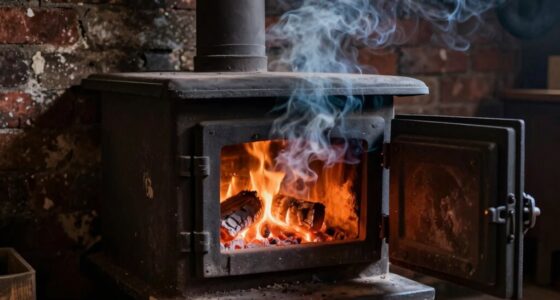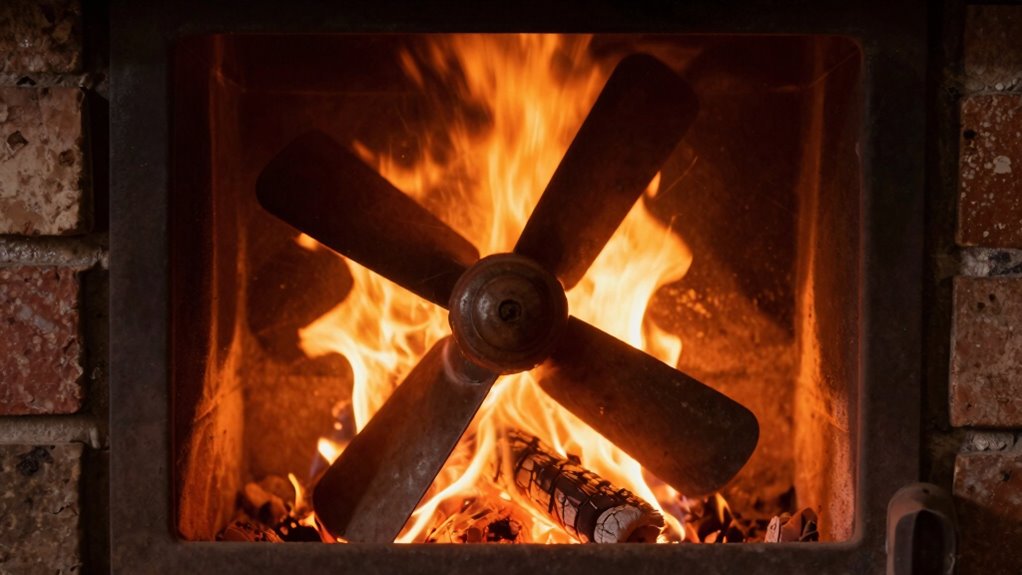

Blowers help some stoves more than others because their design, placement, and size determine how effectively they distribute heat. Well-integrated blowers push warm air into the room evenly, improving comfort and fuel efficiency. Poorly positioned or undersized blowers can limit airflow, reducing their benefits. The quality of the blower also influences noise levels and overall performance. To discover how to choose the best blower for your stove, keep exploring the factors that make this possible.

Get business pricing on tools and workshop supplies
- Business-only prices and quantity discounts
- Tax-exempt purchasing
- Multiple users, one account, clear invoices
Key Takeaways
- Properly designed and positioned blowers ensure better heat distribution, making some stoves more efficient than others.
- Well-integrated blowers optimize airflow, reducing fuel consumption and enhancing overall stove performance.
- High-quality blowers operate quietly and effectively, increasing comfort and consistent heating.
- Incorrect blower sizing or placement limits heat circulation, diminishing a stove’s efficiency benefits.
- Advanced blower design features improve heat spread and energy savings, making some stoves outperform others.
If you’ve ever used a stove with a blower, you might have noticed that it heats more efficiently in some cases than others. This variation largely depends on how well the blower integrates with the stove’s design and how it influences factors like fuel efficiency and noise levels. When a blower is effective, it helps distribute heat more evenly across the room, which means you might use less fuel to maintain your desired temperature. This improved fuel efficiency can save you money and reduce overall energy consumption, making your heating system more environmentally friendly. Conversely, if the blower isn’t well-matched to the stove or isn’t functioning properly, you might find yourself wasting fuel, as the heat isn’t dispersed effectively and your stove works harder to compensate. Proper blower placement and size are crucial for maximizing its benefits and ensuring efficient heat distribution. Noise levels play a significant role in how beneficial a blower feels during operation. Some blowers operate quietly, barely disrupting your daily routine, while others produce loud, distracting sounds. The difference often comes down to the blower’s design, the quality of its motor, and how well it’s integrated into the stove. A high-quality blower with sound-dampening features can provide the same heat distribution benefits without making your space noisy. If noise levels are high, it can diminish the comfort of your environment, making it less desirable to run the stove for extended periods. In such cases, even if the blower improves heat circulation, the inconvenience of the noise might outweigh the benefits. The effectiveness of a blower also hinges on its placement and size. A properly positioned blower ensures that warm air is pushed into the room efficiently, reducing hotspots and cold spots. An undersized or poorly placed blower won’t move enough air, limiting its impact on fuel efficiency and comfort. On the other hand, a well-designed blower with an appropriate size can significantly enhance heat distribution, leading to less fuel consumption, lower energy bills, and a more consistent temperature throughout your space. Ultimately, whether a blower helps your stove more than others depends on how well it’s designed and integrated. A good blower improves fuel efficiency by spreading heat evenly, reducing the need for excessive fuel use, and can operate quietly enough to keep your environment comfortable. If you notice your stove’s blower is noisy or ineffective, it might be worth considering an upgrade or adjustment to optimize both performance and comfort. Proper blower design can make all the difference in achieving optimal heating performance, especially when considering the importance of heat distribution in maintaining a comfortable environment. Additionally, understanding how blower integration affects overall stove efficiency can help in selecting the best system for your needs.
Products Worth Considering

Samsung 85 M80H Series Mini LED 4K Smart TV (2026)

Philips Hue Festavia Globe Outdoor String Lights, 32 Bulbs, 91 ft

Bose TV Speaker (2nd Gen) Compact Soundbar with Bluetooth and HDMI Connectivity
As an affiliate, we earn on qualifying purchases.
Frequently Asked Questions
Do Blowers Improve Stove Efficiency or Just Heat Distribution?
Blowers improve stove efficiency by enhancing air flow, which boosts combustion efficiency. When you use a blower, it forces more air into the fire, making it burn hotter and more completely. This not only helps produce more heat but also reduces fuel waste. So, while blowers do improve heat distribution, their primary benefit is increasing combustion efficiency, leading to a more effective and energy-efficient stove operation.
Can Blower Noise Affect Stove Performance or User Comfort?
Yes, blower noise can affect stove performance and user comfort. Excessive noise interference might distract you while cooking, making it harder to focus or communicate. This distraction can lead to frustration and discomfort, impacting your overall experience. If the blower’s noise is too loud or constant, it may also cause you to turn it off, reducing heat distribution benefits. Choosing a quieter blower helps maintain both performance and a more pleasant cooking environment.
Are Blowers Compatible With All Types of Stoves?
Blowers aren’t compatible with all stove types, as fuel types and stove designs matter. For example, wood or pellet stoves often integrate blowers easily, boosting heat distribution. However, gas or electric stoves may not accommodate blowers without modifications, and some designs might prevent proper installation. Always check your stove’s specifications and consult the manufacturer to verify compatibility before adding a blower.
How Does Blower Size Influence Stove Heating Power?
A larger blower capacity generally boosts your stove’s heating power by circulating air more effectively, but it’s essential to take into account stove compatibility. If the blower is too big, it may overwhelm your stove’s design, reducing efficiency. Conversely, a smaller blower might not deliver enough airflow. Finding the right blower size maximizes heating without compromising safety or performance, ensuring your stove operates smoothly and efficiently.
Do Blowers Require Regular Maintenance or Replacement?
Yes, blowers require regular maintenance or replacement to guarantee ideal airflow mechanics and efficient stove operation. Over time, dust, debris, and wear can hinder blower performance, so you should clean the blades and check for obstructions regularly. During blower installation, make sure it’s properly secured and compatible with your stove. If it becomes noisy or stops working, replacing the blower is crucial to sustain proper airflow and heating efficiency.
Conclusion
Imagine the gentle rush of air, igniting a quiet dance of flames inside your stove. Blowers turn this whisper into a symphony, spreading warmth evenly and fueling your cozy sanctuary. Not all stoves need this breeze, but when they do, it’s like adding a secret ingredient—transforming flickering sparks into a roaring heart of comfort. With each breath of air, your stove becomes more than heat; it’s a steady, inviting rhythm of home.