Maintaining the correct tire pressure is essential for your splitter’s safety, efficiency, and performance. Proper pressure guarantees better road grip, reduces heat build-up, and prevents premature tire wear. Underinflated tires cause excessive flexing and slipping, while overinflated ones lessen traction and responsiveness. This balance also improves fuel efficiency and prolongs tire life. If you want to understand why this simple step impacts your equipment more than you think, keep going.
Key Takeaways
- Proper tire pressure ensures optimal traction, stability, and handling for safe and efficient operation.
- Incorrect pressure causes heat buildup, increasing the risk of tire blowouts and equipment failure.
- Maintaining correct pressure improves fuel efficiency by reducing rolling resistance.
- Under- or overinflated tires wear faster, leading to higher replacement costs and reduced lifespan.
- Regular pressure checks enhance safety by preventing accidents caused by poor control or tire failure.
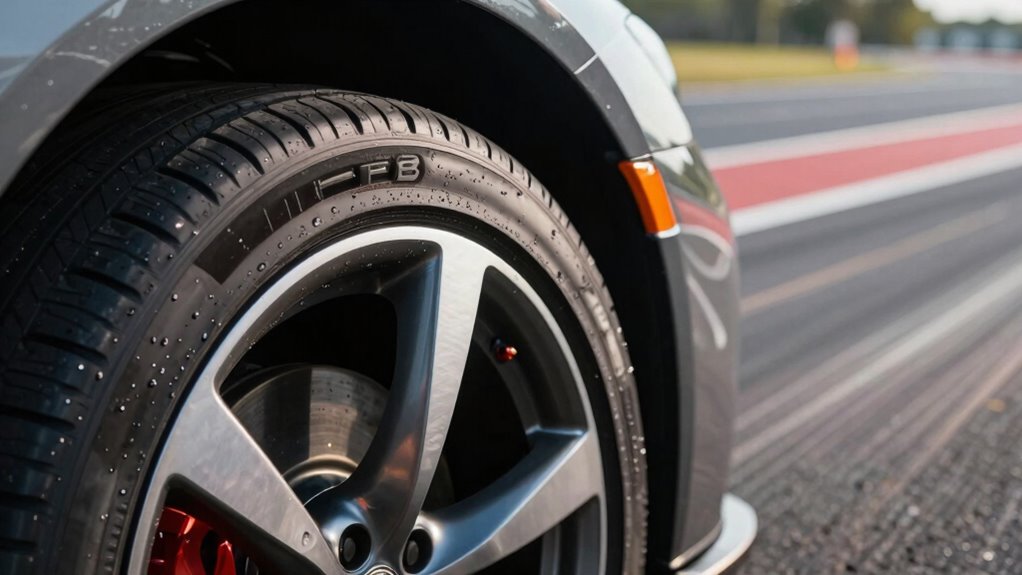
Many splitter owners overlook the essential role that proper tire pressure plays in their equipment’s performance and safety. It’s easy to assume that once your tires are inflated to a basic level, they’ll perform adequately, but the reality is more nuanced. Correct tire pressure directly influences how your splitter handles the road, affecting tire temperature and road grip. When your tires aren’t properly inflated, they generate more heat, which can lead to increased tire temperature and potential blowouts. Overinflated tires reduce the contact patch with the ground, compromising traction, while underinflated tires cause excessive flexing, increasing heat and wear. Both scenarios diminish your equipment’s efficiency and safety.
Maintaining ideal tire pressure ensures that your splitter’s tires stay within the correct temperature range, preventing heat build-up that can compromise tire integrity. When tires run too hot, they become more susceptible to failure, risking costly downtime or dangerous accidents. You should regularly check tire pressure before each use, especially if you’ve been on long hauls or rough terrain, where heat buildup is more likely. Using a reliable gauge and following the manufacturer’s recommended pressure levels helps keep your tires in safe operating conditions. Properly inflated tires also improve road grip, which is vital when handling uneven surfaces or slippery conditions. When your tires are at the right pressure, they conform better to the road surface, providing better traction and stability.
This improved road grip translates directly into safer operation. You’ll have more control over your splitter, especially when maneuvering or making sharp turns. Underinflated tires can cause slipping or sliding, increasing the risk of accidents, while overinflated tires might make steering feel stiff and unresponsive. Neither situation is desirable, particularly when safety and equipment longevity are on the line. Additionally, correct tire pressure helps you maximize fuel efficiency, as under- or overinflated tires create more rolling resistance, leading to higher fuel consumption. It’s a small but significant detail that impacts overall performance, safety, and cost savings. Proper tire pressure also helps prevent tire heat build-up, which is crucial for maintaining tire integrity over time. Regularly monitoring your tire pressure can significantly extend the lifespan of your tires and reduce unexpected failures. Moreover, understanding the importance of proper inflation can help you make informed decisions about maintenance routines and safety precautions.
tire pressure gauge for splitter
As an affiliate, we earn on qualifying purchases.
As an affiliate, we earn on qualifying purchases.
Frequently Asked Questions
How Often Should I Check My Splitter’s Tire Pressure?
You should check your splitter’s tire pressure at least once a month. Use a pressure gauge to get an accurate reading and make sure the tire valve is fully closed afterward to prevent air loss. Regular checks help maintain proper pressure, which improves safety and performance. Don’t forget to verify the recommended PSI for your tires and top off the pressure as needed to keep everything running smoothly.
Can Improper Tire Pressure Cause Damage to the Splitter?
Yes, improper tire pressure can cause damage to your splitter. Under-inflated tires lead to uneven tire wear and strain on the suspension, increasing safety hazards. Over-inflated tires reduce traction and can cause blowouts, risking injury and equipment damage. Maintaining proper tire pressure guarantees smooth operation, minimizes wear, and keeps you safe on the job. Regular checks help prevent costly repairs and ensure your splitter functions reliably.
What Are the Signs of Under-Inflated Tires?
If your tires are under-inflated, you’ll notice uneven tire wear and reduced handling performance. You might feel the vehicle pulling to one side or experience a softer, less responsive ride. These signs indicate that your tires aren’t properly inflated, which can compromise safety and cause uneven wear over time. Regularly check your tire pressure to avoid these issues and guarantee peak handling and tire longevity.
Does Tire Pressure Affect Splitter Fuel Efficiency?
Yes, tire pressure directly affects your splitter’s fuel efficiency. When tire pressure is too low, increased rolling resistance causes your engine to work harder, consuming more fuel. Properly inflated tires reduce this resistance, helping your splitter run smoothly and efficiently. Regularly checking and maintaining ideal tire pressure ensures better fuel economy, saving you money and extending your equipment’s lifespan. Don’t overlook tire pressure—it’s a simple step to boost your splitter’s performance.
How Does Temperature Influence Tire Pressure Stability?
Temperature fluctuations directly impact your tire pressure, causing it to rise or fall. When it gets colder, the air contracts, lowering pressure; warmer temperatures make the air expand, increasing pressure. This makes pressure regulation essential to maintain ideal tire performance and safety. Regularly checking your tire pressure, especially during temperature changes, helps guarantee consistent performance and prevents uneven tire wear or blowouts.
Conclusion
While you might think tire pressure is just about avoiding flats, it actually impacts your splitter’s performance and safety more than you realize. Ignoring it is like driving a sports car with underinflated tires—you’re risking more than just a quick blowout. So, don’t overlook this small detail; it’s the difference between smooth operation and costly breakdowns. Remember, proper tire pressure isn’t just maintenance—it’s your splitter’s secret weapon for longevity and efficiency.