
The best time to change your hydraulic oil before the season starts is during pre-season inspections or after every 200 hours of use, whichever comes first. Look for signs like dark, cloudy fluid or debris that indicate it’s time for a change. Changing the fluid proactively guarantees your equipment runs smoothly during peak demand and avoids costly repairs. Keep your system in top shape, and you’ll find more useful tips ahead to help you stay prepared.

Get business pricing on tools and workshop supplies
- Business-only prices and quantity discounts
- Tax-exempt purchasing
- Multiple users, one account, clear invoices
Key Takeaways
- Change hydraulic oil at least one season or after 200 operating hours, as recommended by the manufacturer.
- Perform a thorough inspection of fluid condition before peak season begins.
- Look for dark, cloudy, gritty fluid or signs of contamination indicating it’s time for a change.
- Ensure fluid is clean and at proper viscosity to maintain optimal equipment performance.
- Schedule oil replacement proactively to prevent equipment failure during high-demand periods.
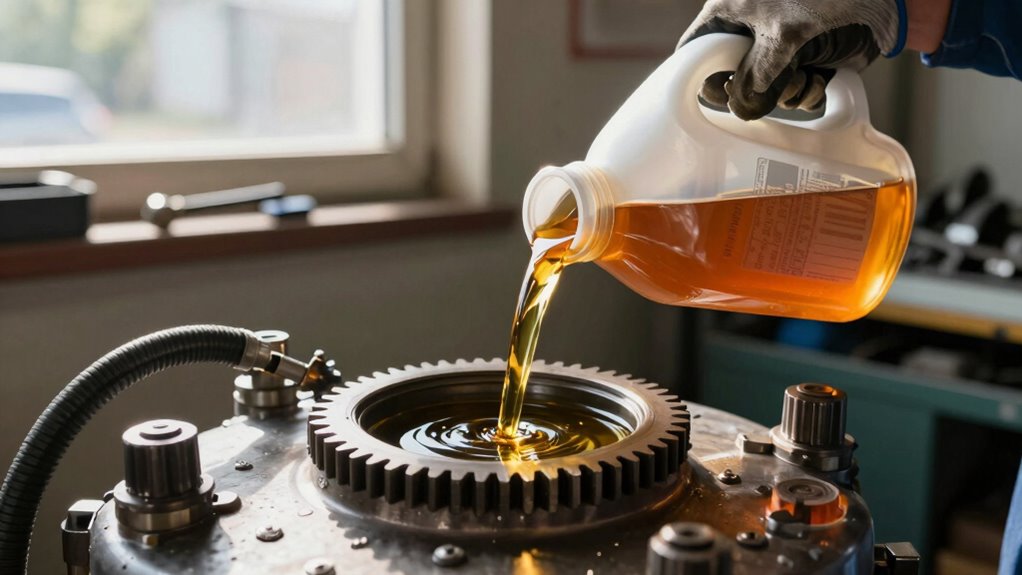
Regularly changing your hydraulic oil is vital to keep your equipment running smoothly and prevent costly repairs. The timing of this change plays a pivotal role, especially before the start of a new season when equipment is about to work at full capacity. To guarantee optimal performance, you need to pay close attention to your maintenance schedule and the condition of your hydraulic fluid. It’s not just about sticking to a routine; it’s about understanding when your hydraulic fluid has degraded enough to hinder your system’s efficiency.
Most manufacturers recommend checking hydraulic fluid levels and quality at regular intervals, often outlined in the maintenance schedule. But before a busy season begins, it’s wise to perform a more thorough inspection and possibly change the fluid. The reason is that hydraulic fluid collects dirt, debris, and moisture over time, which can cause corrosion, reduce lubricity, and increase wear on components. If you delay replacing it, your equipment might suffer from decreased hydraulic power, sluggish operation, or even system failure during critical moments. Additionally, understanding the importance of biodiversity in your environment can remind us of the broader impact of maintaining healthy ecosystems, including sustainable practices in equipment care.
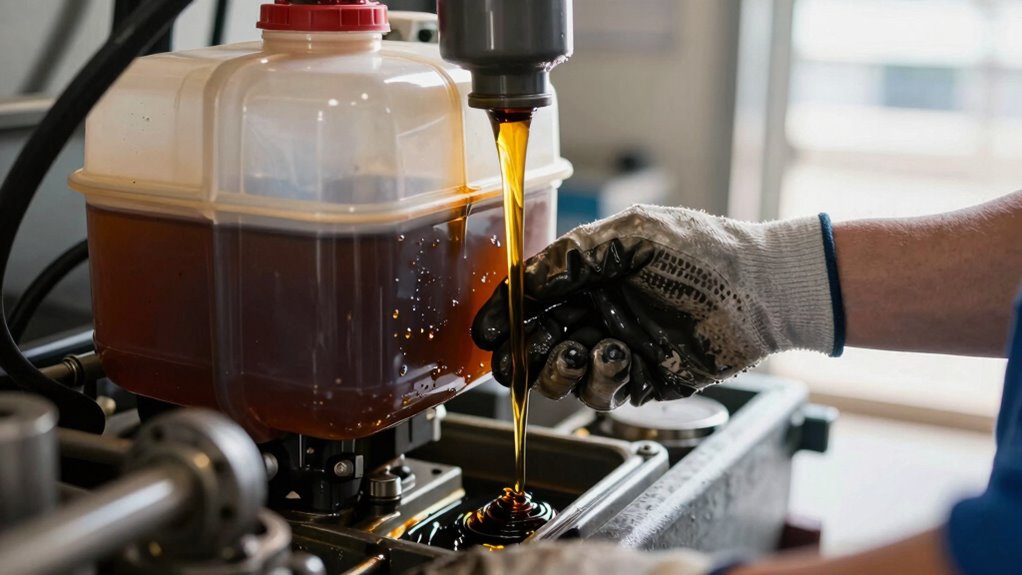
A good rule of thumb is to change the hydraulic oil at least once per season or after a specific number of operating hours, whichever comes first. For example, if your maintenance schedule suggests a change every 200 hours of use, plan to do it before the season kicks off if you’re approaching that limit. Checking the hydraulic fluid’s color, viscosity, and presence of contaminants can guide you further. If the fluid appears dark, cloudy, or gritty, it’s a clear sign that it’s time for a change. Moisture in the fluid can also cause rust and corrosion, so if you notice water contamination, replace the hydraulic fluid immediately.
Furthermore, inspecting your hydraulic system’s fluid condition regularly can help detect early signs of degradation, saving you from more extensive repairs later. It’s also essential to understand hydraulic system operation principles to better interpret fluid condition indicators and maintain optimal performance. Properly maintaining hydraulic fluid quality is a key element in preventing system failures and ensuring safety during operation. Timing your hydraulic oil change before the season starts guarantees your equipment’s hydraulic system is operating with clean, effective fluid. This proactive approach helps prevent unexpected breakdowns and extends the lifespan of your machinery. Remember, sticking to your maintenance schedule isn’t just about compliance; it’s about safeguarding your investment. Regularly replacing hydraulic fluid ensures that your system remains responsive and efficient during peak demands, avoiding costly repairs and downtime. When preparing for a new season, make this maintenance check a priority. It’s a simple step that guarantees your equipment will perform reliably when you need it most.
As an affiliate, we earn on qualifying purchases.
Frequently Asked Questions
How Often Should Hydraulic Oil Be Changed During the Off-Season?
You should change your hydraulic oil at least once during the off-season, especially if you’ve used the equipment heavily. Regular hydraulic filter maintenance helps prevent oil contamination, ensuring smooth operation when the season begins. If your machinery shows signs of dirty or degraded oil, consider changing it more frequently. Proper off-season oil changes and filter checks prevent damage, extend equipment life, and keep your hydraulic system running efficiently.
Can I Switch to Synthetic Hydraulic Oil Before the Season Begins?
Yes, you can switch to synthetic hydraulic oil before the season begins if it’s compatible with your equipment’s oil formulation. Check synthetic compatibility first, as some seals or components may require conventional oil. Using synthetic hydraulic oil offers better performance, longer life, and improved temperature stability. Just make certain the switch is done gradually if mixing with existing oil, and always follow your equipment manufacturer’s recommendations for ideal results.
What Are the Signs That Hydraulic Oil Needs Changing Early?
Did you know that over 70% of hydraulic system failures are due to oil contamination? If you notice sluggish operation, increased noise, or visible dirt in the oil, it’s time for a change. Poor filter maintenance can lead to dirty oil, accelerating wear and tear. Keep an eye on these signs, and change your hydraulic oil early to prevent costly repairs and *guarantee* smooth, efficient performance.
Does Changing Hydraulic Oil Improve Equipment Performance?
Changing hydraulic oil definitely improves your equipment’s performance. Fresh oil enhances hydraulic oil compatibility, guaranteeing smooth operation, and reduces wear on components. Using proper oil filtration techniques helps remove contaminants, preventing damage and maintaining efficiency. Regular oil changes keep your system clean and well-lubricated, which lowers downtime and repair costs. Overall, timely oil changes optimize performance, extend equipment lifespan, and ensure safe, reliable operation during the season.
Are There Specific Storage Tips for Hydraulic Oil During the Off-Season?
Think of your hydraulic oil as a delicate melody that must be preserved. Store it in a cool, dry place away from sunlight to prevent oil contamination and guarantee stability. Keep the storage temperature consistent to avoid condensation and degradation. Use sealed containers to shield it from moisture and dirt. Proper storage protects your hydraulic oil’s quality, so it’s ready to perform at its best when you need it most.
Conclusion
Changing your hydraulic oil before the season kicks off guarantees your equipment runs smoothly and avoids costly breakdowns. Imagine you’re preparing your tractor for planting season; by replacing the oil early, you prevent potential engine damage from old, contaminated fluid. This proactive step keeps your machinery efficient and ready when you need it most. Don’t wait for signs of trouble—schedule your hydraulic oil change now and enjoy a hassle-free, productive season ahead.
Fall Picks
fall essentials
As an affiliate, we earn on qualifying purchases.