When splitting wood or using powerful tools, essential PPE includes impact-resistant safety goggles or face shields to protect your eyes from flying splinters, debris, and chainsaw fragments. Hearing protection like earplugs or earmuffs is equally critical to guard against loud noise that can cause permanent damage or tinnitus. Wearing well-fitted, comfortable gear is vital, and understanding why these protections matter will help you stay safe during every task. Keep going to discover more about the PPE that truly makes a difference.
Key Takeaways
- Eye protection like safety goggles or face shields prevents serious injuries from flying debris and wood shards.
- Hearing PPE such as earplugs or earmuffs reduces the risk of hearing loss caused by loud splitting tools.
- Properly fitting PPE ensures maximum protection and comfort during heavy chopping, splitting, or chainsaw use.
- PPE is essential because unprotected eyes and ears are vulnerable to permanent damage from debris and noise.
- Selecting PPE based on task hazards and using it consistently is critical for effective safety during splitting activities.
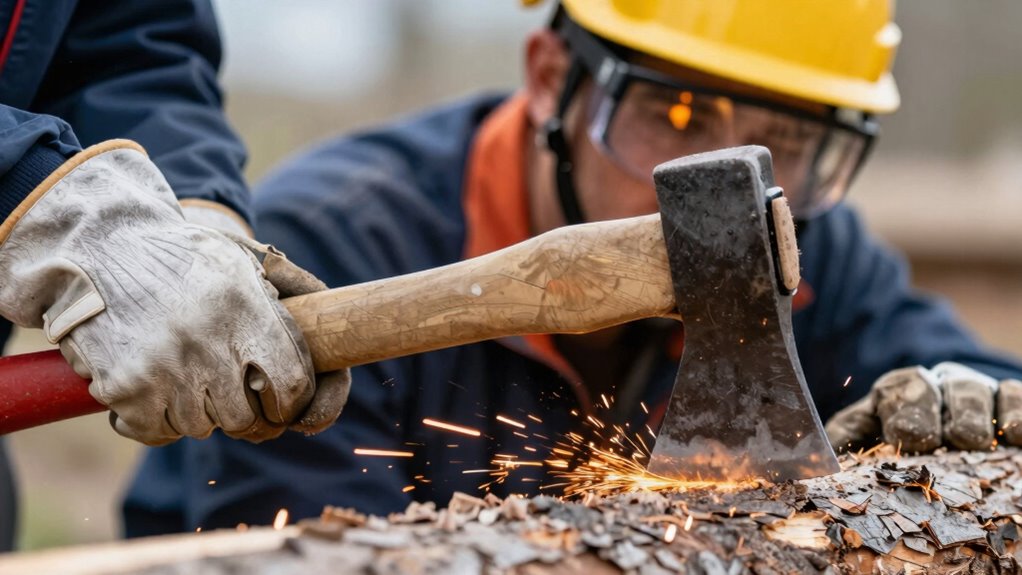
Have you ever wondered if the personal protective equipment (PPE) you’re using really keeps you safe? When it comes to splitting wood or working with heavy equipment, PPE is your first line of defense. But not all gear is created equal, and some items are crucial for preventing serious injuries. Eye protection and hearing safety are especially important because they shield you from hazards you might not even see or hear coming.
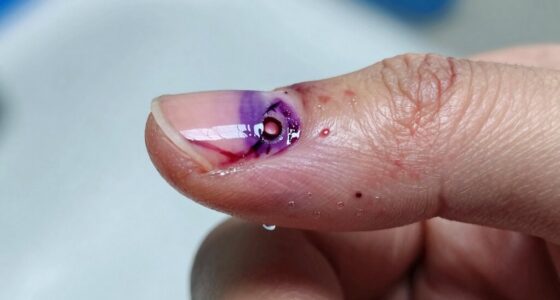
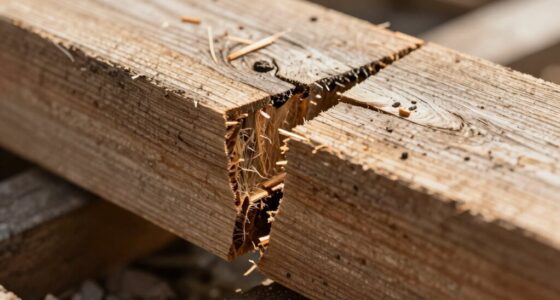
Splitting wood creates flying splinters, sawdust, and debris that can easily cause eye injuries. A stray shard of wood or a fragment from a chainsaw can lead to serious eye damage if you’re not wearing proper eye protection. Safety goggles or a face shield are essential because they provide a barrier against flying objects and dust, keeping your vision intact. Don’t underestimate the importance of eye protection — even a small chip hitting your eye can result in surgery or permanent damage. Investing in high-quality, impact-resistant eye gear ensures you’re protected from the unpredictable nature of splitting and cutting tasks.
Hearing safety often gets overlooked, but it’s just as crucial. The loud noises from chainsaws, splitting wedges, and other power tools can quickly damage your hearing if you’re exposed for extended periods. Continuous exposure to loud sounds can cause irreversible hearing loss, tinnitus, or balance issues. Wearing ear protection, such as earplugs or noise-canceling earmuffs, creates a crucial barrier against these harmful sounds. It’s tempting to think that short-term exposure won’t hurt, but repeated or prolonged noise can have lasting effects. When you’re working in a noisy environment, safeguarding your hearing should be a top priority.
Using PPE properly means more than just wearing it; it’s about choosing the right gear for the job. Eye protection must fit well, be comfortable, and provide complete coverage. Hearing safety devices should be appropriate for the noise level and fit snugly without causing discomfort. When you skip these safety measures, you’re risking more than just minor annoyances — you’re risking your health and safety. Remember, PPE is your shield, and it only works if you use it consistently and correctly. Additionally, understanding the importance of projector technology can help you create safer and more effective work environments.
Frequently Asked Questions
How Do I Determine the Right PPE for Different Splitting Tasks?
To determine the right PPE for different splitting tasks, you should assess the specific splitting techniques you’ll use, considering factors like force and material. Customize your PPE accordingly, choosing gloves, eye protection, and clothing that suit the task’s demands. Always prioritize safety by evaluating potential hazards and adjusting your PPE to guarantee maximum protection, comfort, and effectiveness for each unique splitting job.
Can PPE Prevent All Injuries During Splitting Operations?
No, PPE can’t prevent all injuries during splitting operations. While chain saw safety gear like gloves, chaps, and eye protection considerably reduce risks, accidents can still happen. Protective footwear keeps your feet safe from falling logs or accidental cuts, but it doesn’t eliminate every hazard. Always combine PPE with proper technique and awareness to minimize injuries, but understand that some risks are unavoidable despite wearing the right gear.
What Are the Signs of PPE Failure or Wear?
You’ll notice PPE failure or wear when your head protection shows cracks, dents, or signs of damage, and if your helmet no longer fits snugly. For eye safety, look for scratched or foggy goggles and glasses, or any loose or damaged straps. Regularly inspecting your PPE helps guarantee it performs properly, keeping you safe from head injuries and eye hazards during splitting operations. Don’t ignore signs of wear—it’s essential for your safety.
How Often Should PPE Be Inspected and Replaced?
You should inspect your PPE daily before use and follow the manufacturer’s PPE maintenance guidelines. Replace PPE immediately if you notice signs of wear, damage, or failure. Regular PPE training helps you recognize when equipment needs replacing and guarantees proper maintenance. Keep a record of inspections and replacements to stay compliant with safety standards. By staying vigilant and following these routines, you ensure your PPE remains effective and safe for each job.
Are There Specific PPE Standards for Splitting Equipment?
Surprisingly, there aren’t strict PPE standards specifically for splitting equipment, but you should still prioritize splitting safety and PPE compliance. You’ll want gear that’s durable, properly rated, and fits well, even if it’s not explicitly mandated. Always follow general industry PPE standards and manufacturer guidelines to guarantee your safety. In this case, common sense and vigilance trump any overly specific rules, keeping you protected during every split.
Conclusion
Remember, not all PPE is created equal. Focus on gear that truly protects you, like proper gloves and masks, rather than overdoing it with unnecessary items. Did you know that 70% of workplace injuries could be prevented with the right PPE? By prioritizing the equipment that matters most, you reduce risks and stay safer on the job. Stay informed, choose wisely, and always wear what’s essential for your safety.