The common filter problem that mimics a bad pump is a clogged filter. When the filter gets clogged, it restricts water flow and forces the pump to work harder, creating symptoms like reduced flow, strange noises, or irregular operation. These signs often lead you to suspect the pump is failing, but in reality, a simple clean or replacement of the filter can restore performance. Keep going to find out more ways to troubleshoot and prevent this issue.

Get tools and workshop supplies delivered free — and shop member deals
- Fast, free delivery on millions of items
- Access to Prime Big Deal Days deals on October 6–7
- Prime Video, Amazon Music and more included
Key Takeaways
- A clogged filter can restrict water flow, causing symptoms similar to pump failure like reduced performance and strange noises.
- Filter clogging increases pressure on the pump, making it appear as though the pump is malfunctioning.
- Regular filter maintenance prevents debris buildup that mimics pump problems and ensures proper system operation.
- Checking and cleaning the filter should be the first troubleshooting step before diagnosing pump issues.
- Proper filter care extends pump lifespan and maintains system efficiency, preventing false pump failure diagnoses.
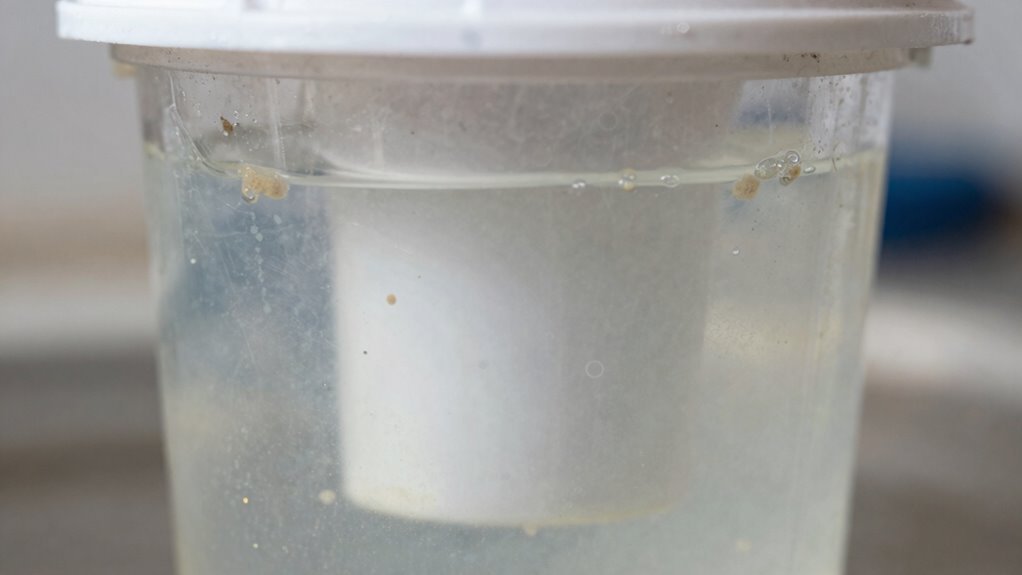
Have you ever suspected your pump is failing, only to discover it’s actually a clogged filter causing the problem? It’s a common scenario that can lead to unnecessary pump troubleshooting. When your system isn’t performing as it should—reduced flow, strange noises, or irregular operation—it’s tempting to assume the worst about the pump itself. But often, the culprit is a dirty or blocked filter. Regular filter maintenance is vital because it prevents debris buildup that can mimic pump failure. If you skip this step, you might find yourself replacing or repairing the pump when, in fact, a simple filter cleaning could resolve the issue.
Understanding how filter clogging impacts pump performance helps you troubleshoot more effectively. A clogged filter restricts water flow, increasing pressure on the pump and causing it to work harder than necessary. This strain can make the pump seem like it’s failing, but the real problem is the filter’s obstruction. When you notice decreased flow rate or increased noise, start by checking your filter. If it’s dirty or blocked, cleaning or replacing it usually restores normal operation. This step is often overlooked, but it’s the simplest way to avoid unnecessary pump troubleshooting. Proper filter maintenance prevents debris buildup and ensures your system operates efficiently, saving you time and resources. Regular inspections and timely cleaning are essential components of marine equipment care, especially in harsh environments where debris can accumulate quickly. Additionally, understanding the impact of debris on system performance emphasizes the importance of maintenance.
A clogged filter can mimic pump failure—check and clean it first to save time and avoid unnecessary repairs.
Maintaining your filters isn’t complicated, but it requires regular attention. Depending on your system, filters might need cleaning every few months or more frequently if you notice performance dips. Always follow the manufacturer’s guidelines for filter maintenance, and keep a schedule to prevent debris buildup. When you perform filter maintenance, you remove dirt, algae, and other obstructions that hinder water flow. Doing so not only prolongs the life of your pump but also improves overall system efficiency. Remember, a well-maintained filter acts as the first line of defense against issues that seem like pump failures. Regularly checking filter performance indicators can help you catch clogs early before they cause more significant problems.
If you find that cleaning the filter doesn’t solve the problem, then it’s time to escalate your pump troubleshooting. But more often than not, a simple filter check solves the mystery. It’s tempting to jump straight to complex repairs, but starting with filter maintenance saves you time and money. By keeping filters clean, you ensure your pump runs smoothly and avoid misdiagnosing a simple clog as a major failure. In the end, paying attention to filter health is a straightforward, effective way to keep your system functioning properly and prevent minor issues from turning into costly repairs.
pool filter cartridge replacement
As an affiliate, we earn on qualifying purchases.
As an affiliate, we earn on qualifying purchases.
Frequently Asked Questions
How Can I Tell if the Filter or Pump Is Causing the Issue?
To determine if the filter or pump causes the issue, start with filter maintenance by checking for clogs or debris that restrict flow. Next, perform a pump inspection to see if it’s running smoothly or making unusual noises. If the filter looks clean but the pump still struggles, the problem likely lies with the pump. Regular maintenance helps prevent these issues and keeps your system running efficiently.
Are There Specific Signs That Distinguish a Filter Problem From a Pump Failure?
Pinpointing pump problems starts with precise inspection. If your system shows sluggish flow, unusual noises, or overheating, it’s likely a pump issue. Signs of a filter problem include clogging, persistent pressure drops, or dirty filter maintenance. Regular pump lubrication helps prevent failures, but if cleaning or replacing the filter doesn’t improve performance, you’re probably facing a pump failure. Pay close attention to these signs to distinguish between the two.
Can a Clogged Filter Cause Damage to the Pump?
Yes, a clogged filter can cause damage to your pump. When you ignore regular filter maintenance, debris builds up, forcing the pump to work harder. This increased strain can lead to overheating or even a pump failure. Regular pump inspection helps identify filter issues early, preventing damage. Always make sure your filter is clean and replaced as needed to keep your pump running smoothly and avoid costly repairs.
How Often Should I Replace or Clean the Filter to Prevent This Problem?
Did you know that filters typically need replacement every 1 to 3 months? To prevent issues like mimicking a bad pump, stick to your filter’s lifespan and follow a consistent maintenance schedule. Regular cleaning or replacement guarantees peak flow and protects your equipment. Check manufacturer recommendations, and set reminders to stay on top of your filter maintenance. This proactive approach keeps your system running smoothly and avoids costly repairs.
What Tools Are Needed to Troubleshoot This Filter-Pump Issue?
To troubleshoot this filter-pump issue, you’ll need basic tools like a screwdriver for filter access and a multimeter for pump inspection. Start by turning off the pump and inspecting the filter for clogs or debris. Use the screwdriver to open the filter housing if needed. A multimeter helps check electrical connections and pump functionality. Regular filter maintenance guarantees smooth operation, preventing issues that mimic a bad pump.
Conclusion
Understanding the one filter problem can save you from unnecessary repairs. Did you know that nearly 60% of pump failures are actually caused by clogged filters, not the pump itself? By regularly checking and maintaining your filter, you can prevent costly replacements and keep your system running smoothly. Don’t overlook this simple step—your equipment will thank you, and you’ll save money in the long run. Stay vigilant, and your pump will perform at its best.
Halloween Picks
halloween
As an affiliate, we earn on qualifying purchases.