
If your control handle feels sticky, don’t force it right away. First, check for dirt, rust, or debris around the handle that might be blocking movement. Make sure it’s properly lubricated with the right lubricant, and gently clean and re-lubricate if needed. Loose screws or misaligned parts can also cause resistance. Taking these steps can prevent damage. Keep going to discover more tips on fixing and maintaining your control handle effectively.

Get business pricing on tools and workshop supplies
- Business-only prices and quantity discounts
- Tax-exempt purchasing
- Multiple users, one account, clear invoices
Key Takeaways
- Visually inspect for dirt, rust, or debris around the handle before attempting to move it.
- Confirm that the handle is properly lubricated with suitable, machinery-specific lubricant.
- Check for loose screws, misaligned parts, or damaged components that may cause resistance.
- Clean and re-lubricate the handle thoroughly to ensure smooth operation.
- Avoid forcing the handle; instead, troubleshoot and address underlying issues to prevent damage.
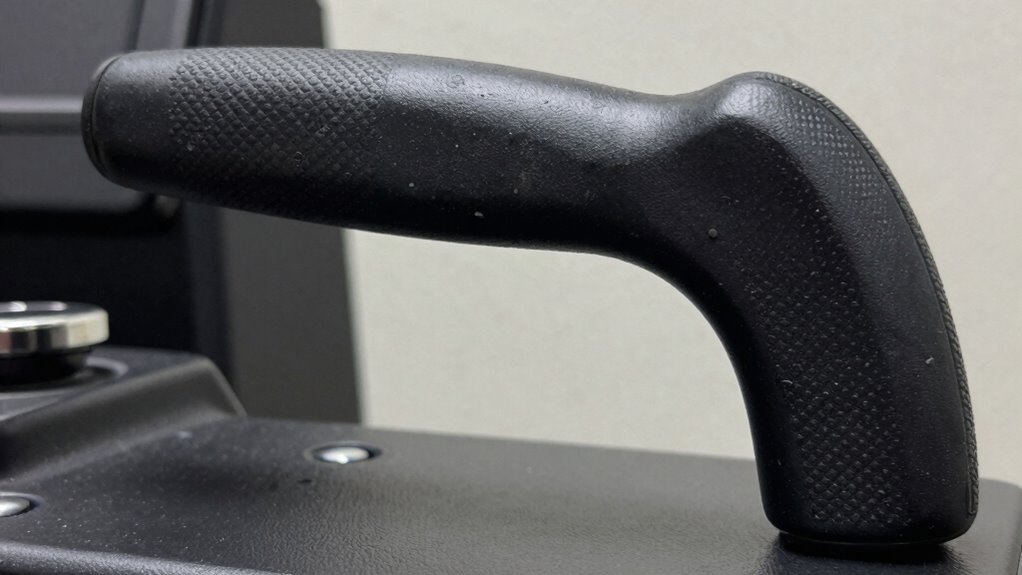
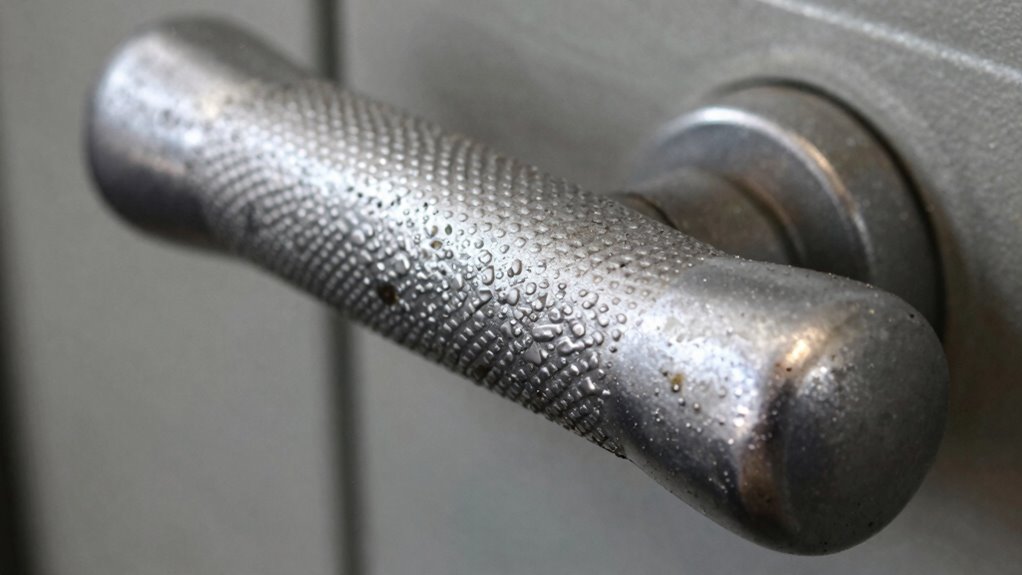
Control Handle Feels Sticky? Don’t Force It Until You Check This. Have you ever tried to turn a control handle only to find it feels sticky or resistant? If so, you’re not alone. A sticky control handle can be frustrating and sometimes dangerous if you’re relying on it for precise operation. Before you start forcing it, it’s important to understand what might be causing the issue. Often, lubrication issues or mechanical interference are the primary culprits behind a handle that won’t move smoothly.
Lubrication problems are a common reason for resistance. Over time, the lubricant inside the handle mechanism can break down, dry out, or collect dirt and debris. When this happens, the moving parts don’t glide as they should, making the handle feel stiff. Applying too much force in such cases can damage the internal components or strip threads, leading to more costly repairs. The best approach is to inspect the handle and its surrounding parts. Sometimes, a simple cleaning and re-lubrication can restore smooth movement. Use a suitable lubricant designed for the specific machinery—avoiding heavy grease that can attract dirt—and apply it carefully to the pivot points and internal mechanisms. Proper maintenance, including regular lubrication checks, can help prevent these issues from recurring.
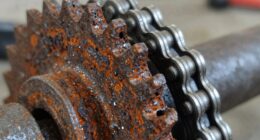
Mechanical interference is another common cause. Debris, corrosion, or misaligned parts can block the handle’s movement. Dust, dirt, or rust can accumulate over time, especially in outdoor or dusty environments. These obstructions create physical barriers that prevent the handle from moving freely. In some cases, parts may have shifted or become loose, causing misalignment that results in resistance. To resolve this, you’ll want to disassemble the handle carefully, remove any debris or corrosion, and check for damaged or bent parts. Tightening loose screws or replacing worn components can often resolve mechanical interference issues. Keep in mind that forcing the handle without addressing these underlying problems can worsen the situation or cause damage.
Additionally, inspecting for lubrication issues and ensuring proper maintenance can prevent future sticking problems. Before applying any force, it’s wise to troubleshoot systematically. First, inspect the handle for visible signs of dirt, rust, or damage. Next, check if lubrication is present and adequate. If not, clean the parts thoroughly and apply fresh lubricant. If the issue persists, disassemble the handle to look for mechanical interference like debris or misaligned parts. Address any issues you find, then test the handle gently. Remember, forcing it isn’t a solution; it’s just a quick fix that can lead to bigger problems down the line. Taking these steps ensures you’re maintaining your equipment properly and avoiding unnecessary repairs. Regular preventative maintenance can significantly extend the lifespan of your handles and other components.
As an affiliate, we earn on qualifying purchases.
Frequently Asked Questions
Can a Sticky Control Handle Cause Long-Term Damage?
Yes, a sticky control handle can cause long-term damage if you neglect it. When handles feel sticky, it often means handle lubrication is lacking or grip ergonomics are compromised. Over time, forcing the handle might damage internal parts or worsen the sticking issue. To prevent this, check and reapply handle lubrication regularly, and make sure your grip ergonomics are comfortable, which keeps the handle functioning smoothly and extends its lifespan.
Is It Safe to Try Fixing the Handle Myself?
Yes, you can attempt a DIY repair if you’re comfortable with basic tools and safety precautions. Start by cleaning the handle and inspecting for damage. However, if you’re unsure or the handle still feels sticky after cleaning, it’s best to seek professional assistance. Trying to fix complex issues yourself might worsen the problem or cause injury, so don’t hesitate to call a professional if needed. Prioritize safety and proper repair techniques.
How Often Should I Inspect My Control Handle?
Imagine your control handle as a well-oiled gear, smoothly turning with each use. You should inspect it monthly, checking for grip tightness and ensuring handle lubrication is adequate. Regularly adjusting the grip if it feels loose keeps your control precise and safe. By staying attentive, you prevent sticking issues and extend your handle’s lifespan, making every operation feel effortless and confident.
What Tools Are Needed to Clean a Sticky Handle?
To clean a sticky control handle, grab a soft cloth, mild soap, and warm water. For alternative cleaning methods, you can use isopropyl alcohol or a vinegar solution to break down grime. If you’re comfortable with DIY repair tips, consider using a toothbrush to scrub stubborn spots gently. Always dry the handle thoroughly afterward to prevent future stickiness. These simple tools and tips keep your handle smooth and functional.
When Should I Replace the Control Handle Instead of Repairing?
When the handle grip maintenance becomes too costly or complex, it’s time to replace the control handle. If repairs don’t restore smooth operation or the handle feels overly sticky despite cleaning, replacement saves time and money in the long run. Consider replacement cost considerations, especially if the handle shows signs of significant wear or damage. Opt for replacement when repairs no longer guarantee safe, comfortable control or become economically unfeasible.
Conclusion
If your control handle feels sticky, don’t just press on blindly. Sometimes, a little patience and the right check can reveal a gentle solution, saving you from unnecessary wear or damage. Think of it like a quiet whisper from your equipment—your best move is to listen carefully. With a bit of care and attention, you can restore smooth operation without risking the delicate balance of your tools. Keep things flowing smoothly—you’re in control.
Fall yard work Picks
leaf blowers
As an affiliate, we earn on qualifying purchases.