
If your log splitter won’t start, start by checking the hydraulic system for leaks or blockages, and verify the fluid level is correct. Then, inspect the electrical system—look for loose wires, faulty switches, or low battery voltage. Confirm safety interlocks are engaged and that the control panel functions properly. Make sure the engine has fuel and oil, and test the starter motor. For detailed troubleshooting steps, keep exploring to pinpoint the exact cause.

Get tools and workshop supplies delivered free — and shop member deals
- Fast, free delivery on millions of items
- Access to Prime Big Deal Days deals on October 6–7
- Prime Video, Amazon Music and more included
Key Takeaways
- Check the hydraulic system for leaks or low fluid levels, ensuring proper pressure for starting.
- Inspect electrical wiring, safety switches, and interlocks to confirm they are engaged and functioning correctly.
- Verify engine fuel, oil levels, and battery voltage to ensure reliable engine operation.
- Test the ignition switch and starter motor connections for damage or malfunction.
- Ensure the control panel and safety sensors are operational and not causing a shutdown.

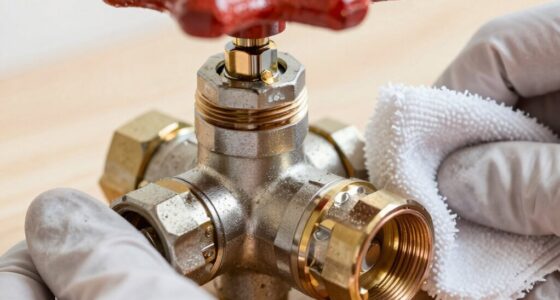
If your log splitter isn’t working as it should, identifying and fixing common issues can save you time and money. One of the first areas to check when your splitter won’t start is the hydraulic system. Hydraulic troubleshooting is vital because many problems stem from low fluid levels, leaks, or clogged filters. Begin by inspecting the hydraulic fluid reservoir; confirm it’s filled to the recommended level. If it’s low, top it off with the correct type of hydraulic fluid, and check for leaks around hoses, fittings, and the cylinder itself. Leaks can cause pressure loss, preventing the splitter from functioning properly. Next, examine the hydraulic hoses for cracks, wear, or blockages. A damaged hose can hinder fluid flow, so replace any compromised hoses immediately. You should also check the hydraulic filter—if it’s clogged, it can restrict fluid flow, leading to operational issues. Cleaning or replacing the filter can restore proper hydraulic function. During this process, always prioritize safety precautions: disconnect the power source, release hydraulic pressure, and wear gloves and eye protection to prevent injury from high-pressure fluid or debris. Proper hydraulic fluid maintenance is essential for optimal operation and longevity of your equipment.
Check hydraulic fluid levels and hoses to troubleshoot log splitter starting issues safely.
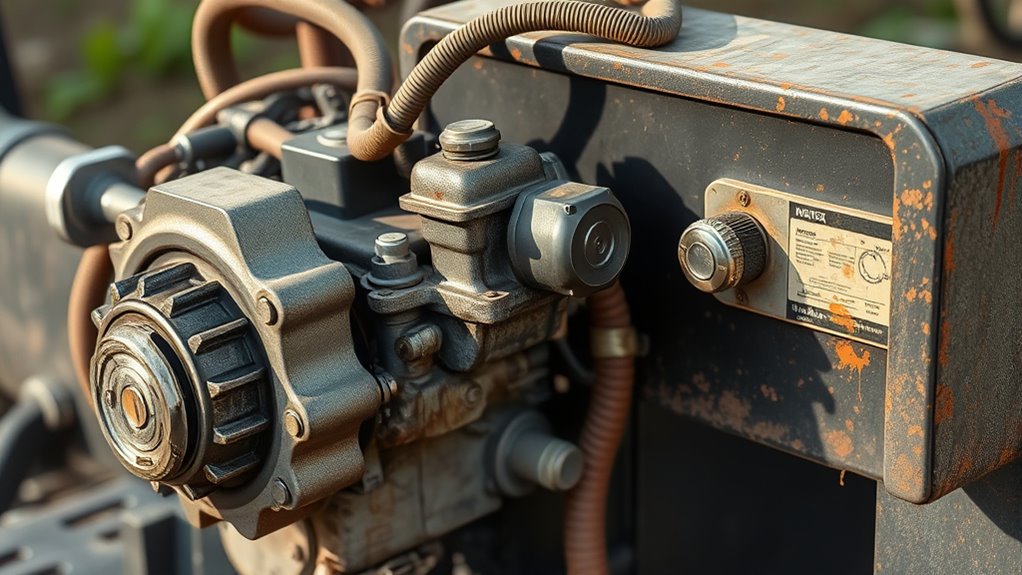
Once you’ve addressed potential hydraulic issues, turn your focus to the electrical and safety systems. Many log splitters have safety switches or interlocks that prevent the engine from starting if certain conditions aren’t met. Confirm that all safety features are engaged correctly—sometimes a safety switch may be tripped or malfunctioning, stopping the machine from starting. Check the control panel and wiring for loose connections or corrosion, and repair or replace faulty components as needed. Also, ensure the engine has enough fuel and the oil levels are adequate, as these are simple yet essential factors for starting.
If your splitter still won’t start after these checks, consider the engine’s condition. A dead battery or faulty starter can be the culprit. Test the battery with a multimeter; if it’s weak, replace it. If the starter motor isn’t engaging, inspect the wiring and connections for corrosion or damage. Sometimes, the issue lies in the ignition switch or safety sensors; cleaning or replacing these parts can resolve starting problems.
Throughout this process, always follow safety precautions—disconnect power sources before working on hydraulic or electrical components, wear protective gear, and work in a well-ventilated area. Proper hydraulic troubleshooting combined with careful safety practices guarantees you can identify the root cause of your log splitter’s starting issues efficiently, saving you time and preventing potential accidents.
hydraulic log splitter hydraulic fluid
As an affiliate, we earn on qualifying purchases.
As an affiliate, we earn on qualifying purchases.
Frequently Asked Questions
Can I Repair a Log Splitter Myself Without Prior Experience?
Yes, you can attempt DIY repairs on a log splitter if you’re comfortable with basic troubleshooting. Start with troubleshooting basics like checking the power source, inspecting for loose connections, and examining the safety switches. While some fixes are simple, avoid complex repairs if you’re unsure or uncomfortable. Always prioritize safety, read the manual thoroughly, and consider consulting online guides or videos to help you through the process.
What Safety Precautions Should I Take Before Fixing My Log Splitter?
Imagine standing in front of your stubborn log splitter, ready to fix it. Before you begin, put on protective gear like gloves and safety glasses to shield against splinters and debris. Confirm the machine is unplugged, practicing electrical safety to prevent shocks. Clear the area of any hazards, and work in good lighting. These precautions keep you safe as you troubleshoot, making your repair process smoother and accident-free.
How Often Should I Perform Maintenance to Prevent Starting Issues?
You should follow a regular maintenance schedule, ideally every 50 to 100 hours of use, to prevent starting issues. During this routine, check the oil, spark plug, and fuel system, and clean or replace parts as needed. Adopting troubleshooting tips like inspecting for fuel blockages or loose connections can help identify problems early. Consistent upkeep keeps your log splitter running smoothly and reduces the chances of it not starting when you need it.
Are There Specific Brands More Prone to Starting Problems?
Be aware that some brands, based on reputation and reliability, are more prone to starting problems. For instance, lesser-known brands often lack the robust build and trusted performance of top-tier manufacturers. You should research reviews and reliability ratings before buying. While popular brands typically boast better quality, even reliable models can have issues if not properly maintained. Choosing a reputable brand with proven performance helps prevent starting problems down the line.
What Tools Are Essential for Troubleshooting a Log Splitter?
To troubleshoot your log splitter, you’ll need basic power tools like a multimeter to check electrical connections and a wrench set for inspecting parts. Don’t forget safety gear like gloves and eye protection to stay safe during repairs. These tools help you identify electrical issues or mechanical faults quickly, ensuring you can fix the problem efficiently. Always prioritize safety and follow manufacturer instructions when working on your log splitter.
Conclusion
If your log splitter still won’t start after troubleshooting, don’t give up. Regular maintenance can prevent many issues, saving you time and money. Did you know that about 60% of equipment failures are due to simple maintenance oversights? Staying proactive keeps your splitter running smoothly and extends its lifespan. With these steps, you’re now better equipped to tackle starting problems quickly and confidently, ensuring your firewood gets split efficiently all season long.
Fall Picks
fall essentials
As an affiliate, we earn on qualifying purchases.