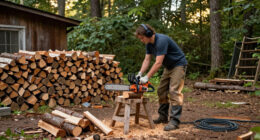
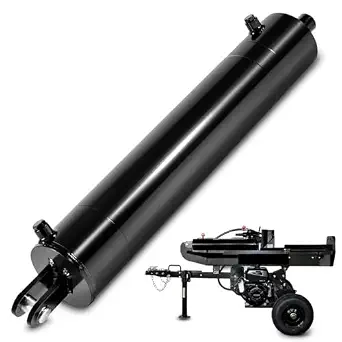
Choosing a log splitter hydraulic cylinder with a 5-inch bore is essential for powerful and efficient splitting. The 5×24 Hydraulic Log Splitter Cylinder stands out as the best overall choice thanks to its durability and performance. For those seeking affordability, the OEM Replacement Seals Model offers reliable functionality at a lower cost. Meanwhile, the Heavy Duty Universal Cylinder provides versatility for different splitter setups. The main tradeoffs involve balancing power, compatibility, and budget—more robust cylinders may cost more or require specific fittings. Continue reading for a detailed comparison to help identify the best fit for your needs.

Get business pricing on tools and workshop supplies
- Business-only prices and quantity discounts
- Tax-exempt purchasing
- Multiple users, one account, clear invoices
Complete the kit


Key Takeaways
- The best overall cylinder combines durability, universal fit, and reliable performance, exemplified by the 5×24 Hydraulic Log Splitter Cylinder.
- Price varies with features; OEM replacements offer affordability but may lack some advanced features of premium models.
- Universal fit options provide versatility but might require minor modifications for perfect compatibility.
- Double-acting cylinders deliver more power and efficiency, making them preferable for demanding splitting tasks.
- Stroke length impacts splitting efficiency; 24-inch strokes are common and effective for most residential applications.



| log splitter hydraulic cylinder 5 inch bore | Bore | Stroke | Rod Diameter | Extended Length |
|---|---|---|---|---|
| 4.5×24 Hydraulic Log Splitter | 4.5" (OD: 5") | 24" | 1.75" | — |
| 5×24 Hydraulic Log Splitter Cy | 5" | 24" | 2" | 58-1/2" |
| 5-inch Hydraulic Log Splitter | — | — | 2 inches (chrome-plated) | 56.5 inches |
| 5×24 Hydraulic Log Splitter Cy | 5 inches | 24 inches | — | — |
| 5-inch Bore x 24-inch Stroke H | — | — | 2 inches | — |
| Log Splitter Hydraulic Cylinde | 5 inches | 24 inches | 2 inches | 58.5 inches |
| 5×24 Heavy Duty Universal Hydr | 5 inches | 24 inches | — | 58.5 inches |
More Details on Our Top Picks
4.5×24 Hydraulic Log Splitter Cylinder – Double Acting, 4.5″ Bore x 24″ Stroke, 3500 PSI
This cylinder stands out for its compatibility with many log splitter brands, thanks to its universal fit and robust construction. Its 4.5-inch bore and 24-inch stroke deliver a solid 27 tons of splitting force, making it suitable for most residential and light commercial applications. Compared to the larger 5-inch models, it offers easier handling and installation, though it sacrifices some raw power. Its rust-resistant materials and chrome-plated rod ensure longevity, but the heavier weight and specific mounting hardware requirements can pose challenges. This pick makes the most sense for users seeking a reliable balance of strength and ease of setup.
Pros:- Universal fit compatible with many brands
- Corrosion-resistant and chrome-plated for durability
- Heavy-duty welded construction for longevity
Cons:- Installation may require specific mounting hardware
- Heavier weight can make handling more difficult
Best for: Homeowners or DIY enthusiasts with standard log splitters needing a durable, adaptable cylinder
Not ideal for: Commercial operators or heavy-duty industrial splitters requiring maximum force and rugged construction
- Bore:4.5″ (OD: 5″)
- Stroke:24″
- Rod Diameter:1.75″
- Ports:1/2″ NPT
- Mounting Hole:1-1/8″
- Max Pressure:3500 PSI
- Splitting Force:27 tons
Our verdict“This cylinder offers a versatile solution for users wanting a durable, easy-to-install option with reliable performance.”
5×24 Hydraulic Log Splitter Cylinder – 5″ Bore x 24″ Stroke, 3500 PSI, Welded Double Acting for Wood Splitters
This model is tailored for demanding applications, with a 5-inch bore that provides more splitting force than the 4.5-inch options like the one above. Its 24-inch stroke and 3500 PSI capacity support high-volume or tough wood splitting tasks, making it ideal for professional or industrial settings. Compared with the smaller bore cylinders, it offers increased power but at the expense of added weight and installation complexity. Its welded design ensures durability under continuous use, although the heavier weight and need for precise mounting may challenge DIY users. This choice is best suited for those who prioritize power over portability.
Pros:- Higher bore size delivers increased splitting force
- Heavy-duty welded construction for longevity
- Operates reliably at 3500 PSI for demanding tasks
Cons:- Heavy weight complicates handling and installation
- Primarily designed for professional use, not easy for DIY setup
Best for: Industrial or commercial log splitters that require maximum splitting force and durability
Not ideal for: Casual homeowners with small-scale splitters or limited lifting capacity
- Bore:5″
- Stroke:24″
- Rod Diameter:2″
- Retracted Length:34-1/2″
- Extended Length:58-1/2″
- Max Pressure:3500 PSI
- Column Load:58,900 LBs
Our verdict“This cylinder is ideal for users needing maximal power and industrial-grade durability, accepting the handling challenges involved.”
5-inch Hydraulic Log Splitter Cylinder, 24-inch Stroke, Clevis Mount, OEM Replacement Seals
This cylinder is designed primarily as an OEM replacement, emphasizing reliability and ease of maintenance with replaceable seals. Its 5-inch bore and 24-inch stroke produce up to 39 tons of force at 4000 PSI, exceeding typical split requirements. Compared to the welded models, its main strength lies in compatibility and serviceability, making it suitable for industrial applications or when a quick replacement is needed. However, its bulk and specific application focus may not appeal to homeowners seeking a straightforward upgrade. This option makes the most sense for users managing existing heavy-duty equipment or needing high-force capacity with easy maintenance.
Pros:- High splitting force up to 39 tons
- Replaceable seals for extended service life
- Versatile clevis mounting for easy installation
Cons:- Heavy and bulky, requiring strong mounting support
- Designed for specific applications, less flexible for DIY projects
Best for: Industrial operators or technicians replacing worn cylinders in commercial splitters
Not ideal for: Part-time users or DIY homeowners who need a lightweight, easy-to-install solution
- Stroke Length:24 inches
- Cylinder Diameter:5 inches
- Extended Length:56.5 inches
- Maximum Pressure:4,000 PSI
- Splitting Force:Up to 39 tons
- Mounting Type:Clevis
- Rod Diameter:2 inches (chrome-plated)
Our verdict“This cylinder is best suited for industrial or replacement scenarios where high force and maintainability are priorities.”
5×24 Hydraulic Log Splitter Cylinder – 5″ Bore x 24″ Stroke, 3500 PSI, Double Acting, Universal Fit
This cylinder offers a straightforward, all-welded steel construction designed for universal compatibility with major log splitter brands. Its 5-inch bore and 24-inch stroke, combined with a 3500 PSI rating, ensure strong and reliable splitting performance. Compared with the smaller 4.5-inch bore options, it provides more power without significantly increasing handling complexity. Its durable design and high-pressure capacity make it suitable for frequent use in both residential and commercial environments. However, like other heavy-duty models, proper installation is essential to avoid leaks or misalignment, and its weight can be a hindrance for manual handling. This choice is ideal for those seeking a robust, compatible upgrade or replacement part.
Pros:- Heavy-duty all-welded steel construction
- Universal fit with major brands
- High-pressure rating for efficient splitting
Cons:- Heavy weight complicates handling
- Requires proper installation to perform optimally
Best for: Professional or heavy-duty users needing a reliable, compatible cylinder for frequent splitting
Not ideal for: Small-scale or occasional DIY splitters where ease of handling is more important than maximum power
- Bore:5 inches
- Stroke:24 inches
- Rod:2 inches
- Rated Pressure:3500 PSI
- Column Load Capacity:58,900 lbs
- Application:Log splitters, compatible with major brands
Our verdict“This cylinder provides a durable, compatible choice for demanding users seeking a dependable replacement or upgrade.”
5-inch Bore x 24-inch Stroke Hydraulic Log Splitter Cylinder with Detent Valve & Hose Kit
This cylinder combines power with features aimed at operators who want adjustable control, including a detent valve and included hose kit. Its 5-inch bore and 24-inch stroke deliver reliable splitting force, comparable to the other 5-inch options, but with added flexibility in operation. Unlike the other models, its rebuildable design and adjustable valves make it appealing for those managing multiple splitters or needing precise control. However, the ambiguity in port labeling suggests potential setup complexities, and proper hydraulic setup is essential to avoid performance issues. This makes it suitable for experienced users who value customization over plug-and-play simplicity.
Pros:- Rebuildable seals extend service life
- Adjustable detent and relief valves for custom operation
- Includes hose kit for easier installation
Cons:- Some port labels may be unclear, complicating setup
- Requires hydraulic knowledge for proper use
Best for: Experienced DIYers or professionals who want adjustable, rebuildable cylinders for tailored operation
Not ideal for: Casual users or those seeking a straightforward replacement without additional features
- Bore Diameter:5 inches
- Stroke Length:24 inches
- Mounting Hole Diameter:9/16 inches
- Rod Diameter:2 inches
- Port Size:1/2 inch NPT
- Maximum Operating Pressure:3500 psi
- Detent Pressure:700 psi (adjustable up to 3500 psi)
Our verdict“This cylinder suits users needing precise, adjustable control and rebuildability, accepting the complexity involved.”
Log Splitter Hydraulic Cylinder 5 in Bore x 24 in Stroke x 2 in Rod
This hydraulic cylinder stands out for its high durability, thanks to European steel construction that resists wear over time. Its universal fit makes it compatible with many log splitter models, simplifying replacement choices. Compared with the 5×24 Heavy Duty Universal Hydraulic Cylinder (B0FS1JCYP3), this option offers slightly more robust materials, but it is heavier at 89 pounds, which could complicate handling during installation. The 3500 PSI pressure rating ensures reliable performance under tough logs, but the weight and need for proper installation are notable tradeoffs. If durability and broad compatibility matter most, this model provides a solid balance of strength and versatility.
Pros:- High durability with European steel construction
- Universal fit for many log splitter models
- Built to withstand up to 3500 PSI pressure
Cons:- Heavy weight (89 pounds) may be difficult to handle
- Requires proper installation for optimal performance
Best for: Professional log splitter technicians or homeowners who prioritize long-term durability and fit across multiple brands.
Not ideal for: DIY users with limited strength or experience, due to its weight and installation complexity.
- Bore:5 inches
- Stroke:24 inches
- Rod Diameter:2 inches
- Maximum Pressure:3500 PSI
- Column Load:58,900 lbs
- Retracted Length:34.5 inches
- Extended Length:58.5 inches
- Pinholes:1-1/8″ and 9/16″
Our verdict“This cylinder is ideal for users seeking a durable, versatile replacement that can handle regular heavy-duty use, provided they can manage its weight and installation needs.”
5×24 Heavy Duty Universal Hydraulic Cylinder for Log Splitters 3500 PSI
This model is a reliable choice for users who need a universal fit across multiple brands such as TSC Huskee and Oregon, thanks to its welded steel design and corrosion-resistant powder coating. Its 3500 PSI pressure capacity ensures it can handle the toughest logs, matching the performance of the Log Splitter Hydraulic Cylinder 5 in Bore x 24 in Stroke (B07GVR5LL4). Compared to the European steel model, this cylinder emphasizes ease of connection with 1/2″ NPT ports and a slightly larger outer diameter of 5.5 inches for added stability. However, its weight of 89.1 pounds and the need for some technical installation knowledge could challenge less experienced users. This pick is best for those who prioritize compatibility and corrosion resistance over ease of handling.
Pros:- Universal fit for multiple log splitter brands
- High-pressure capacity for tough logs
- Durable steel construction with corrosion resistance
Cons:- Heavy weight may require sturdy mounting
- Installation may require technical knowledge
Best for: Homeowners and small business operators replacing or upgrading their log splitters with a focus on corrosion resistance and broad brand compatibility.
Not ideal for: Users seeking a lightweight, quick-install solution or those with limited technical skills, due to its weight and installation complexity.
- Bore:5 inches
- Stroke:24 inches
- Rod:2 inches
- Outer Diameter:5.5 inches
- Retracted Length:34.5 inches
- Extended Length:58.5 inches
- Base Pin:1-1/8 inches
- Rod End Pin:9/16 inches
- Port Size:1/2 inch NPT
- Pressure:3500 PSI
- Column Load:58900 LB
- Oil Volume:8.16 quarts
- Package Dimensions:40 x 9 x 9 inches
- Item Weight:89.1 pounds
Our verdict“This cylinder suits buyers looking for a durable, corrosion-resistant component that fits many models, accepting some installation effort for long-term reliability.”

How We Picked
These products were selected based on their bore size consistency at 5 inches, build quality, pressure rating, and overall performance reputation. I prioritized cylinders with double-acting design for maximum splitting power since they handle heavy-duty tasks more efficiently. Compatibility and ease of maintenance also influenced rankings, with a focus on models offering OEM seals or universal fittings. Cost-to-value ratio was considered, ensuring options range from budget-friendly to premium. The final list reflects a mix of proven durability, versatility, and user feedback, making them suitable for various splitter setups and user needs.Factors to Consider When Choosing Log Splitter Hydraulic Cylinder 5 Inch Bore
When choosing a hydraulic cylinder with a 5-inch bore for your log splitter, several factors influence long-term satisfaction and performance. Understanding these factors helps avoid common pitfalls such as mismatched fittings or insufficient pressure ratings. A well-chosen cylinder not only boosts splitting power but also ensures reliable operation over many seasons. Here are key considerations to keep in mind:Pressure Rating and Durability
Ensure the cylinder can handle at least 3500 PSI, the standard for most log splitters, to prevent premature failure. Higher pressure ratings offer greater safety margins and longevity, especially for demanding wood splitting tasks. Look for cylinders constructed with high-quality steel and corrosion-resistant finishes to withstand outdoor conditions. Cheaper models might cut costs initially but often sacrifice durability, leading to costly replacements down the line.
Fitting Compatibility and Mounting
Verify that the cylinder’s mounting style—such as clevis or flange—is compatible with your splitter’s frame. Universal fit models are convenient but may require minor modifications. OEM replacement seals can simplify maintenance, ensuring a proper seal that prevents leaks. Avoid cylinders with incompatible fittings, which can lead to installation issues or damage during operation.
Stroke Length and Power
The stroke length determines how much wood can be split in a single cycle; 24 inches is a common standard suitable for most residential use. Longer strokes can handle larger logs but may add cost and complexity. Ensure the cylinder’s bore size aligns with your splitter’s capacity to deliver the necessary force. A larger bore produces higher splitting force but can increase costs and weight.
Cost and Value
Balance your budget with the expected performance. Premium cylinders tend to offer better materials, seals, and compatibility, translating into longer service life. However, mid-range models can deliver sufficient power for typical tasks without overpaying. Beware of very cheap cylinders that might save money upfront but require frequent repairs or replacements.
Ease of Maintenance
Select cylinders with accessible seals and fittings for straightforward maintenance. OEM seals are often recommended for reliability, but universal kits can save money and still provide good durability. Consider the availability of replacement parts and the complexity of disassembly before making a purchase. Proper maintenance extends the lifespan of your cylinder and keeps your splitter operating smoothly.
Frequently Asked Questions
Can I replace my existing cylinder with a different brand or model?
Replacing your cylinder with a different brand or model is possible if it matches your splitter’s specifications, especially bore size, stroke length, and mounting style. Compatibility is critical to ensure proper operation and safety. Verify the pressure ratings and seal types to prevent leaks or failures. When in doubt, consulting your splitter’s manufacturer or a professional can help avoid mismatched components that could compromise performance.
What maintenance should I perform on a hydraulic cylinder with a 5-inch bore?
Regular maintenance includes inspecting for leaks, checking the hydraulic fluid level, and replacing seals as needed. Clean the cylinder’s exterior to prevent debris from damaging seals or fittings. Use manufacturer-recommended hydraulic fluid and avoid contamination, as dirty fluid accelerates wear. Proper lubrication and timely seal replacement extend the cylinder’s service life and maintain optimal performance.
Is a double-acting cylinder worth the extra cost?
Double-acting cylinders are generally worth the investment because they provide power on both extension and retraction strokes, improving efficiency during splitting. They are better suited for demanding tasks and reduce manual effort. However, they tend to be more complex and slightly more expensive than single-acting models. For frequent or heavy-duty use, the increased performance justifies the initial expense.
How do I know if a 5-inch bore cylinder will fit my log splitter?
To determine fit, measure your current cylinder’s mounting style, stroke length, and bore size, then compare with the new model’s specifications. Compatibility hinges on mounting points and hydraulic connections. Choosing a universal fit model can simplify this process, but verifying dimensions ensures proper operation. Consulting your splitter’s manual or manufacturer can prevent costly mistakes.
What features should I prioritize for a beginner setting up a log splitter?
Beginners should prioritize ease of installation and maintenance, so look for cylinders with OEM seals and straightforward mounting options. A reliable pressure rating of at least 3500 PSI and a standard stroke length help ensure consistent performance. Also, choosing a model with good customer feedback and manufacturer support can ease troubleshooting. Simplicity and durability are key to building confidence in your setup.
Conclusion
The best overall choice for most users is the 5×24 Hydraulic Log Splitter Cylinder due to its proven durability and universal fit. Budget-conscious buyers will find the OEM Replacement Seals Model offers reliable performance at a lower price. Those seeking premium features should consider the Heavy Duty Universal Cylinder, which provides extra versatility and longer service life. For newcomers, a simple, easy-to-maintain model with OEM seals is ideal. Ultimately, your selection depends on your splitting needs, budget, and setup compatibility—matching these factors will ensure a smooth, effective operation year after year.
As an affiliate, we earn on qualifying purchases.Halloween Picks
halloween