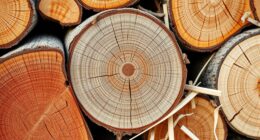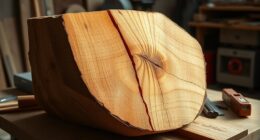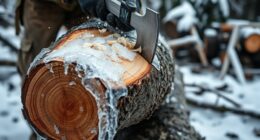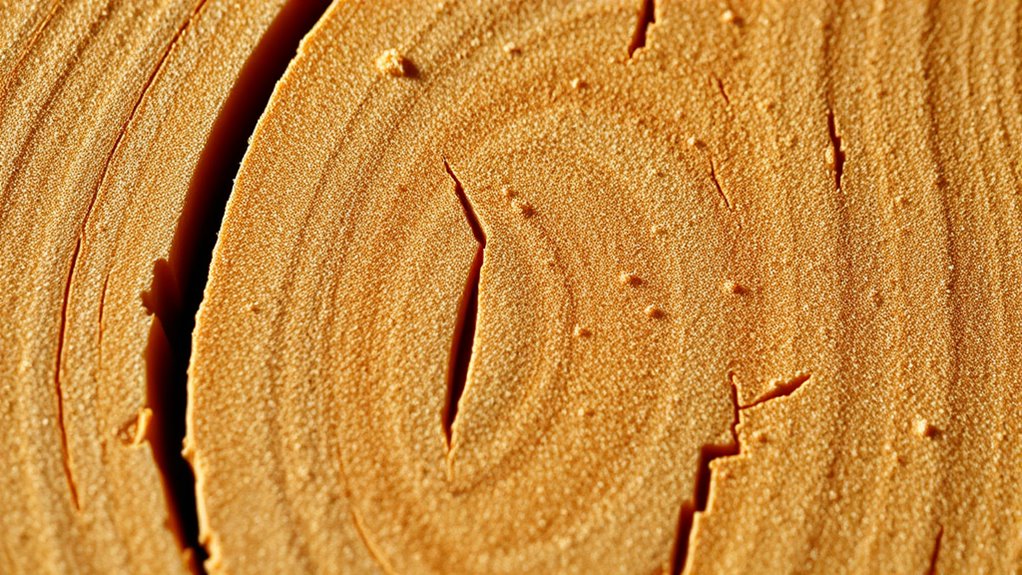
Pre-splitting logs with chainsaw kerfs is generally a good idea. Making initial shallow cuts helps guide the main cut, reducing force needed and minimizing the risk of kickback. It also improves control and safety during the process. Properly pre-split logs stay more stable, making your work safer and more efficient. Want to know the best techniques and safety tips? Keep going to find out how to do it right.
Key Takeaways
- Pre-splitting with kerfs helps control the log and guides subsequent cuts for more accurate splitting.
- Making kerfs reduces the force needed during splitting, decreasing chainsaw strain and improving safety.
- Properly placed kerfs can prevent log shifting, enhancing stability during the splitting process.
- Overly deep or numerous kerfs may weaken the log structure, risking uncontrolled splitting or accidents.
- Using kerfs is generally recommended but depends on log size, type, and desired splitting method.

Pre-splitting chainsaw kerfs is a practical technique that can make splitting large logs much easier and safer. By creating these initial cuts before attempting to split, you reduce the force needed and minimize the risk of the log shifting unexpectedly. However, before you start, it’s essential to understand safety precautions and proper tool maintenance. These steps are critical to guarantee your safety and keep your chainsaw running efficiently.
First, always wear the right safety gear. Eye protection is a must to guard against flying chips and wood splinters, while hearing protection helps prevent long-term hearing damage from the chainsaw’s noise. Wear sturdy gloves to improve your grip and protect your hands, and steel-toed boots to shield your feet from falling logs or accidental slips. Maintaining a safe working environment also means clearing the area of obstructions and ensuring good footing. Never operate a chainsaw when you’re tired or distracted, as this increases the likelihood of accidents.
Always wear safety gear—eye protection, gloves, and boots—to stay safe during chainsaw use.
When it comes to tool maintenance, keeping your chainsaw in prime condition is essential. Before making any cuts, check the chain tension—too loose, and it can derail; too tight, and it can cause unnecessary wear. Sharpen the chain regularly to guarantee clean, efficient cuts and reduce strain on the motor. Dull chains increase the risk of kickback and make the job more exhausting, so investing in proper sharpening tools or professional servicing is a wise choice. Also, inspect the guide bar for damage and ensure the chain oil reservoir is full; proper lubrication reduces friction and prevents overheating. Regularly cleaning the chainsaw, especially after each use, prevents debris buildup that can impair performance or cause dangerous malfunctions. Additionally, understanding the importance of a high contrast ratio can help you select a chainsaw with better visibility of the cut line in various lighting conditions, enhancing safety and precision.
When pre-splitting, make sure your chainsaw is properly handled. Use both hands to maintain control, and cut at a steady, controlled pace. Avoid forcing the saw through the wood; instead, let the chain’s sharpness do the work. Start with small, shallow kerfs to guide your deeper cuts, and always be aware of the log’s stability. If the log is large or unstable, consider additional support or securing it to prevent shifting during cutting. Following these safety precautions and maintaining your tools properly not only prolongs the lifespan of your chainsaw but also keeps you safe during the process.
Frequently Asked Questions
Does Pre-Splitting Reduce Overall Cutting Time Significantly?
Pre-splitting can markedly reduce your overall cutting time, especially when dealing with large timber cracking issues. By creating initial kerfs, your chainsaw faces less resistance, leading to smoother cuts and less blade wear. This method helps prevent the saw from overheating or getting bogged down, saving you time and effort. Plus, it minimizes strain on your equipment, making your cutting process more efficient and less taxing on your chainsaw.
Are Pre-Splitting Chainsaw Kerfs Safe for Beginner Users?
Pre-splitting chainsaw kerfs can be safe for beginners if you follow proper safety considerations and understand your skill level. It’s essential to wear protective gear, maintain control, and follow manufacturer instructions carefully. If you’re new to using a chainsaw, practice on scrap wood first to build confidence. Recognizing your skill level helps determine if pre-splitting is appropriate, ensuring safe and efficient cutting without unnecessary risks.
What Types of Wood Benefit Most From Pre-Splitting?
You’ll find that dense, difficult woods benefit most from pre-splitting. When the moisture content is high, and the wood density is tough, pre-splitting helps prevent binding and boosts cutting confidence. Softwoods with lower moisture content don’t need the extra effort. By pre-splitting, you make the process safer and smoother, especially with stubborn, dense timbers that challenge your chainsaw’s capabilities.
Can Pre-Splitting Cause Damage to the Chainsaw Blade?
Pre-splitting can cause damage to your chainsaw blade if you’re not careful. It may lead to blade dulling or chipping if you force the saw through the kerf too aggressively. To avoid this, practice proper chainsaw maintenance and follow safety precautions, such as using sharp blades and correct cutting techniques. Always check the blade condition regularly and take your time to ensure the saw operates smoothly without unnecessary strain.
Is Pre-Splitting Suitable for All Tree Sizes and Species?
You might think pre-splitting suits all trees, but that’s not always true. While it works well for medium-density timber, high-density or very large trees can make pre-splitting less effective or even risky. You need to take into account timber density and your equipment compatibility—using the right chainsaw for the job ensures safety and efficiency. Always evaluate the tree’s size and species before deciding, rather than assuming one method fits all.
Conclusion
Deciding whether to pre-split your chainsaw kerfs is like choosing between tradition and innovation. While pre-splitting can make your cuts easier and safer, it also requires extra effort and planning. Think carefully—are you willing to invest that time for smoother results? Remember, every cut you make shapes your project’s fate. Ultimately, the choice is yours, but don’t let hesitation be the obstacle that keeps your vision from coming to life.