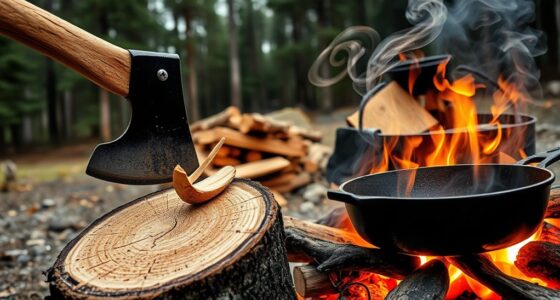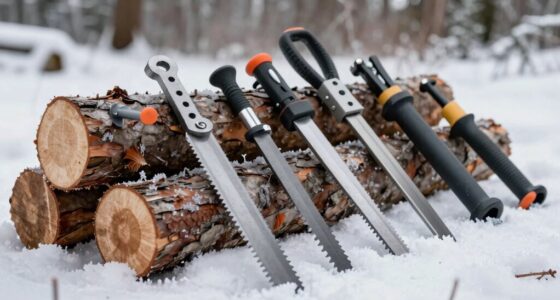
To split for neater stacking, use sharp tools to create clean, straight-edged pieces, ensuring uniform sizes and shapes. Focus on creating consistent cuts that fit together neatly, reducing irregular shapes that cause instability. Start with a stable base and alternate layer orientations for better support. Pay attention to each split, and regularly check stability as you go. Keep practicing these techniques, and you’ll discover more effective ways to achieve tidy, stable stacks.

Get business pricing on tools and workshop supplies
- Business-only prices and quantity discounts
- Tax-exempt purchasing
- Multiple users, one account, clear invoices
Key Takeaways
- Use sharp tools to create clean, straight cuts for uniform pieces.
- Measure and mark materials before splitting to ensure consistent sizes.
- Practice precise splitting techniques to improve accuracy over time.
- Split materials into regular shapes to facilitate neat stacking and stability.
- Focus on creating straight-edged pieces that fit together neatly.
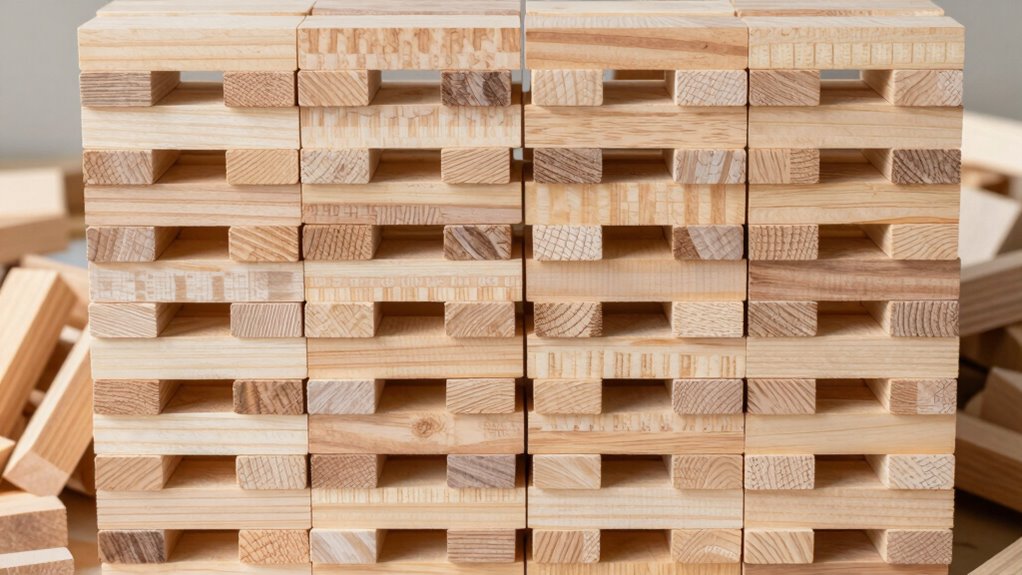
Splitting items correctly is key to achieving neat and stable stacks, whether you’re organizing firewood, fabric, or other materials. When it comes to stacking efficiently, how you split your materials can make a big difference in the overall appearance and stability of the pile. One effective way to ensure uniformity is by using color coding. Assign different colors to specific sizes or types of items, which makes sorting and stacking much easier. For example, if you’re stacking firewood, you might use a colored marker or tape to mark logs intended for different purposes or sizes. This visual cue allows you to quickly identify which pieces go where, reducing the chances of creating uneven or unstable stacks.
Color coding helps organize and stabilize stacks by quickly identifying sizes or types of materials.
In addition to color coding, mastering stacking techniques is essential. Start by laying a solid foundation, placing the largest and most stable pieces at the bottom. When splitting your materials, aim for uniform sizes and shapes that fit together snugly. This consistency helps prevent gaps that could weaken the structure. As you stack, alternate the orientation of each layer—similar to how bricks are laid—to lock the pieces in place and improve the overall stability. This technique, often called interlocking stacking, prevents the pile from toppling over easily.
You should also pay attention to the way you split your items. When splitting firewood, for example, try to create pieces with straight edges and avoid irregular shapes. A clean, precise split results in more uniform pieces that stack better. If you’re working with fabric or other materials, consider cutting them into consistent sizes, which makes stacking and storage much more manageable. Using sharp tools and proper splitting techniques reduces waste and ensures each piece contributes to a neat, organized stack. Additionally, understanding the importance of proper splitting can help you decide the best approach for different materials and improve your overall stacking efficiency. Incorporating techniques for efficient splitting can further streamline your process and enhance the neatness of your stacks. Also, taking the time to practice splitting can significantly improve your accuracy and results over time. Recognizing the benefits of organized stacking can motivate you to refine your methods and maintain tidy storage systems. Moreover, paying close attention to the quality of split pieces can greatly influence the stability and appearance of your stacks.
Finally, take your time to arrange each layer carefully. Use your visual cues from color coding to keep things orderly. Place the split items so that they support each other, creating a balanced structure that won’t easily collapse. Regularly check the stability as you add each layer, adjusting as needed. When you combine effective splitting, color coding, and proper stacking techniques, you’ll find that your stacks become not only more attractive but also more durable and easier to access later. This method transforms what could be a chaotic jumble into a tidy, efficient system you can maintain effortlessly.
Products Worth Considering

Bose TV Speaker (2nd Gen) Compact Soundbar with Bluetooth and HDMI

Philips Hue Bridge Pro Smart Lighting Hub

Levoit Core 400S-P Smart Air Purifier for Large Rooms
As an affiliate, we earn on qualifying purchases.
Frequently Asked Questions
What Tools Are Best for Splitting Items Neatly?
You should use sharp, sturdy tools like a utility knife or a box cutter for splitting items neatly. These tools help you make precise cuts, ensuring your items stay organized. Pair them with clear storage containers to keep everything accessible. Employ effective labeling techniques, such as labeling each container with contents and dates, so you can quickly identify and retrieve items, maintaining a tidy, efficient storage system.
How Do I Prevent Items From Slipping During Stacking?
Think of stacking as choreographing a dance—balance and timing are key. To prevent items from slipping, use stacking techniques like interlocking or cradling each piece securely. Apply organization tips such as placing heavier items at the bottom and lighter ones on top, and consider adding non-slip pads or grips. These tricks keep your stacks steady, making your storage look neat and professional, just like a well-rehearsed performance.
Can Splitting Help Save Space in Small Areas?
Yes, splitting items can definitely help save space in small areas. By organizing items into smaller, manageable sections, you improve organization techniques and make better use of available space. This method allows you to stack or store items more efficiently, reducing clutter and maximizing space. When you split larger piles into smaller, neat stacks, you create a more accessible, organized environment that makes finding and retrieving items easier.
How Do I Handle Fragile or Delicate Items?
Think of handling fragile items as caring for a delicate butterfly. You should use gentle, deliberate movements, ensuring each piece is protected with delicate packaging like bubble wrap or tissue. Fragile handling requires patience, avoiding abrupt shifts that could cause damage. By carefully wrapping and stacking, you preserve the integrity of your delicate items, making sure they arrive safe and sound — like a butterfly landing softly on its perch.
What Are Common Mistakes to Avoid When Splitting for Stacking?
When splitting items for storage organization, avoid uneven divisions that cause instability or waste space. Don’t overstuff boxes, as it complicates stacking and increases clutter. Keep similar items together to reduce clutter and make retrieval easier. Also, steer clear of mixing fragile items with heavier ones, which can lead to damage. Properly dividing your items ensures neater stacking, maximizes space, and maintains a clutter-free environment.
Conclusion
Now that you know how to split your items for neater stacking, you’ll be amazed at how much tidier your space becomes—like a magician pulling order out of chaos! With a little practice, your piles will look so organized, they could stand as a monument to cleanliness. Say goodbye to messy heaps and hello to a world where everything effortlessly stacks in perfect harmony. Your space will shine brighter than a diamond in the sun!