To split your crotch effectively without wasting energy, focus on controlled technique and patience. Use knot tricks with straps or bands to gradually stretch without forcing the movement. Incorporate dynamic and static stretches targeting your hips, hamstrings, and inner thighs to improve flexibility steadily. Warm up properly and listen to your body to prevent injury. With consistent effort and proper progress, you’ll see improvement—stay with it, and you’ll uncover even more tips to help you succeed.

Get business pricing on tools and workshop supplies
- Business-only prices and quantity discounts
- Tax-exempt purchasing
- Multiple users, one account, clear invoices
Key Takeaways
- Use controlled knot techniques to gradually deepen stretches without overexerting energy.
- Incorporate dynamic and static stretches targeting hips and hamstrings for efficient flexibility.
- Warm up properly with light cardio to enhance muscle elasticity and reduce fatigue.
- Progress slowly with small, consistent steps, avoiding forcing the split to prevent energy drain.
- Prioritize patience, listening to your body, and proper recovery to optimize results with less effort.
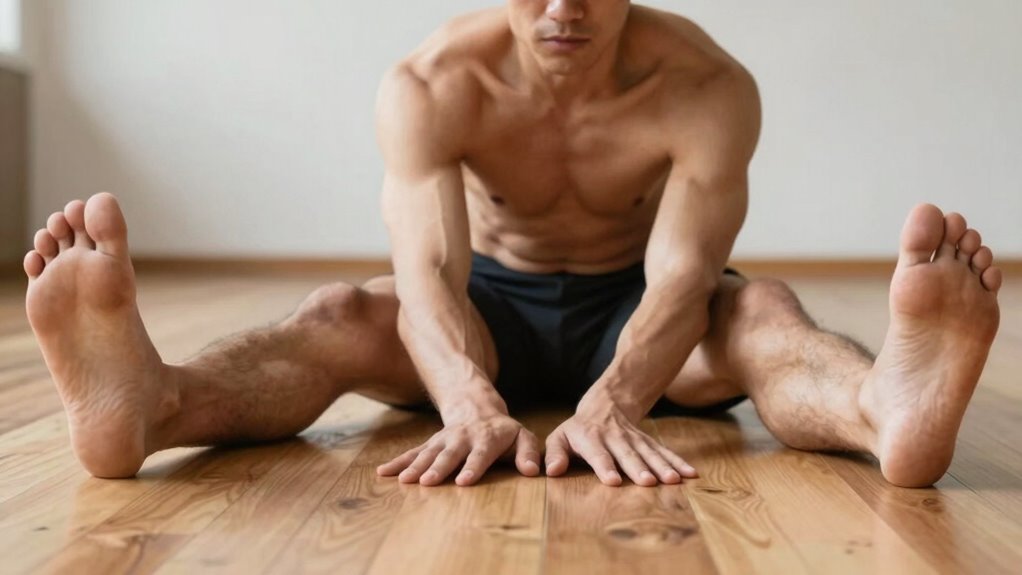
Splitting crotches can be a challenging move, especially if you’re trying to conserve energy. It’s tempting to push yourself hard, but rushing can lead to injury or burnout. Instead, focus on smart techniques that make the process smoother and more efficient. One effective way is to incorporate knot techniques, which help you control your movements and stretch gradually. Knot techniques involve creating small, controlled tension points that allow you to deepen your split slowly and safely. Instead of forcing your way into a full split, tie gentle knots with your stretching straps or bands, gradually increasing the tension over time. This method guarantees you don’t overstretch or strain your muscles, letting you progress steadily without wasting energy on unnecessary effort.
Use knot techniques to control tension and deepen your split gradually and safely.
Alongside knot techniques, consistent stretching exercises are vital. They prepare your muscles, tendons, and ligaments for the demands of splitting. Focus on dynamic stretches that loosen your hips and hamstrings, such as leg swings or lunges, to enhance flexibility. Static stretching, where you hold a stretch for 20-30 seconds, helps lengthen the muscles after your workout. Pay special attention to your inner thighs, hip flexors, and hamstrings, as these are key areas involved in splitting. Regularly incorporating these stretching exercises into your routine prevents tightness that could hinder your progress and reduce the energy you’d otherwise spend fighting against stiff muscles. Developing proper flexibility techniques can further optimize your stretching routine and improve your overall progress.
As you practice, remember that patience is your best ally. Use knot techniques to control your stretch depth and avoid the temptation to push too hard too soon. Take small, consistent steps, and listen to your body’s signals. Deepening your split shouldn’t feel painful; instead, it should feel like a gentle stretch that increases gradually. During your warm-up, include light cardio to boost circulation and loosen your muscles, making your stretching exercises more effective. Incorporating proper warm-up methods can significantly enhance your flexibility gains and reduce the risk of injury. Additionally, understanding muscle elasticity can help you tailor your stretching routine for better results and less strain. Keeping your muscles healthy through proper nutrition and hydration can also accelerate your progress and prevent setbacks. After your session, use cooling down stretches to help your muscles recover and maintain flexibility. Combining these methods allows you to split crotches more efficiently and with less wasted effort.
In the end, mastering a split isn’t about brute force but about smart, consistent practice. Use knot techniques to control your progress and stretching exercises to enhance your flexibility. With patience and proper technique, you’ll find yourself achieving splits without exhausting yourself or risking injury. Keep a steady pace, respect your limits, and trust your body’s ability to adapt. Achieving a clean split becomes a matter of technique and persistence, not sheer effort.
Products Worth Considering

eufy C30 Robot Vacuum and Mop

Philips Hue Bridge Pro Smart Lighting Hub

Philips Hue Play HDMI Sync Box
As an affiliate, we earn on qualifying purchases.
Frequently Asked Questions
What Are the Best Warm-Up Exercises Before Attempting Splits?
Before attempting splits, you should do dynamic stretching to loosen up your muscles and improve flexibility. Focus on exercises like leg swings, hip circles, and lunges to activate your muscles effectively. This warm-up increases blood flow and prepares your body, reducing injury risk. Incorporate muscle activation techniques to target specific areas, ensuring your muscles are ready for the stretch. Always start slow and listen to your body.
How Can I Prevent Injuries While Practicing Splits?
To prevent injuries while practicing splits, focus on improving your hip mobility and muscle relaxation. Warm up thoroughly, including dynamic stretches that target your hips and legs. Use gentle, controlled movements and avoid forcing your body into deep splits too quickly. Listen to your body, stop if you feel pain, and incorporate regular stretching to enhance flexibility safely. Consistent practice with proper technique minimizes injury risk effectively.
What Clothing Is Most Comfortable for Stretching Splits?
Imagine you’re preparing for a deep split, and comfortable clothing makes all the difference. Opt for stretchy, breathable fabrics like bamboo or modal that allow free movement and wick away sweat. Loose-fitting leggings or yoga pants with flat seams prevent chafing during stretching techniques. You’ll stay focused on your splits instead of adjusting uncomfortable clothing, making your practice more effective and enjoyable. Comfort fuels progress in every stretch.
How Long Does It Typically Take to Master Splits?
It usually takes several months to a year to master splits, depending on your consistency and natural flexibility. Your split progression depends on regular stretching and patience, as rushing can lead to injury. Many people believe flexibility myths, like needing to be naturally flexible, but dedication and proper technique are key. Keep working steadily, listen to your body, and celebrate small milestones to reach full splits safely and effectively.
Are There Any Specific Diets to Improve Flexibility?
You might think diet plans won’t impact your flexibility, but they truly do. Eating flexibility foods rich in vitamins, minerals, and anti-inflammatory properties boosts muscle elasticity and joint health. Incorporate nutrient-dense options like leafy greens, fatty fish, nuts, and berries into your diet. Avoid processed foods and sugar, which can cause inflammation. Staying hydrated also helps, so drink plenty of water. This focused approach can markedly enhance your flexibility journey.
Conclusion
Remember, trying to split crotches with brute force isn’t the most effective or safest approach. Instead, focus on proper stretching techniques and gradual progress. Some believe that flexibility is purely genetic, but consistent practice shows that dedication can improve your range over time. So, don’t waste energy fighting against your body’s limits—work with them instead. Patience and proper technique will get you farther than force ever could, turning your goals into achievable milestones.