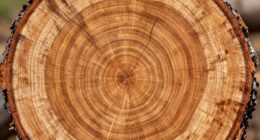
The physics trick that makes splitting wood easier is applying force strategically using leverage, momentum, and stress concentration. By striking at natural fractures or along the grain with focused force, you maximize impact and reduce effort. Using wedges amplifies your force by concentrating pressure, while proper stance and swing techniques help transfer more energy efficiently. If you keep exploring, you’ll uncover more ways to use physics principles to make splitting safer and simpler.
Key Takeaways
- Applying force along natural fractures or the wood grain reduces resistance and makes splitting easier.
- Using wedges concentrates force and increases pressure at the splitting line, leveraging physics principles for efficiency.
- Proper stance and body mechanics maximize momentum transfer, amplifying impact with less effort.
- Engaging whole-body swing and utilizing gravity boost energy transfer, easing the splitting process.
- Precise targeting and controlled strikes focus force where it’s most effective, reducing fatigue and effort.
Splitting firewood or other materials can be tough, but a simple physics trick can make the process much easier. By understanding and applying basic physics principles, you can dramatically reduce the effort needed and improve your splitting techniques. The key lies in harnessing the power of force, momentum, and leverage to maximize efficiency and minimize strain.
When you approach splitting, it’s tempting to strike with all your might. However, applying force in a controlled, deliberate way is more effective. Physics shows us that concentrating your effort at the right moment and angle can generate a greater impact. For example, striking the wood at the correct spot—usually along natural fractures or the grain—allows the splitting to occur more easily. This is because you’re using principles like stress concentration and leverage to your advantage. Instead of random swings, aim for precision, which makes your force more effective.
Using a splitting wedge is a classic example of physics principles at work. When you drive the wedge into the wood, it acts as a force multiplier. The wedge’s tapered shape concentrates your applied force into a smaller area, increasing pressure and creating stress that causes the wood to split along its natural lines. This is an application of pressure and stress distribution, which physics explains thoroughly. The more you understand these principles, the better you can choose the right tools and techniques. For instance, aiming to strike the wedge at a consistent angle and with controlled force ensures maximum energy transfer, reducing fatigue and increasing safety.
Driving a wedge concentrates force, increasing pressure to split wood efficiently and safely.
Leverage also plays a critical role. When you lift the axe or sledge to strike, you’re using your body as a lever. Proper stance and swing technique help you generate more force with less effort. By positioning yourself correctly, you maximize your momentum, allowing gravity and your body’s weight to add to the force of each strike. This is a practical application of physics principles like momentum and energy transfer, making each swing more effective. Think about using your entire body—twisting your torso and engaging your core—to add power without overexerting your arms.
Additionally, understanding how to optimize your projector setup can significantly enhance your viewing experience, especially when creating a home cinema environment. Combining these physics-informed splitting techniques transforms the way you approach the task. You learn to apply force efficiently, use tools that leverage physics principles, and adopt proper stance and swing mechanics. As a result, splitting becomes faster, safer, and less tiring. The next time you’re at your chopping station, remember: understanding and applying simple physics principles isn’t just theoretical—it’s your secret weapon for easier, smarter splitting.
Frequently Asked Questions
Can This Trick Work for All Types of Splits?
Yes, this split technique can work for all types of splits, but your flexibility benefits will vary. It’s a helpful method for improving flexibility, which makes different splits easier over time. However, your individual progress depends on your current flexibility level, consistency, and how well you follow the technique. Always listen to your body and avoid forcing moves to prevent injury as you work toward your split goals.
Is There Any Risk of Injury Using This Method?
Using this method can pose some injury risks if you don’t follow safety precautions. To prevent injuries, warm up thoroughly beforehand and avoid forcing your split beyond your current flexibility. Listen to your body and stop if you feel pain. Injury prevention is key, so consider working with a coach or trainer to ensure proper technique. Always prioritize safety to enjoy progress without setbacks.
How Long Does It Take to See Results?
You’ll typically see results within a few weeks of consistent practice, but it varies depending on your flexibility and effort. To speed up progress, follow training tips like regular stretching and gradual intensity increases. Always prioritize injury prevention by warming up properly and listening to your body. If you stay committed and incorporate rest days, you’ll notice improvements faster and reduce the risk of injury, making your splitting journey safer and more effective.
Do I Need Special Equipment to Practice?
You don’t need special equipment to practice the physics trick, but having the right equipment can enhance your training intensity. Basic items like a sturdy, flat surface and safety gear are recommended. Focus on maintaining proper technique and gradually increasing training intensity to see progress. Most importantly, stay consistent and patient, as improvements come over time with regular practice. You can achieve your goals without expensive gear, just dedication.
Can This Trick Improve Flexibility Beyond Splits?
Yes, this trick can help improve your flexibility beyond splits by enhancing your stretching techniques and muscle elongation. It encourages you to push your muscles gently and gradually, increasing their length over time. Consistent practice with this method allows you to deepen your stretches safely, making your muscles more pliable and helping you achieve greater flexibility. Remember to listen to your body and avoid overstretching to prevent injury.
Conclusion
Now that you know the physics trick, you can confidently conquer cracks and creases. By balancing your body and boosting your beam, you’ll break barriers with ease. Remember, mastering the movement makes the mission more manageable. So, step smoothly, stay steady, and let physics be your partner. With practice and patience, your splits will soon be smoother and safer. Embrace the expertise, and experience the effortless ease of effective, efficient splitting!