
Even new hydraulic oil can cause problems if it becomes contaminated during handling or storage, introducing dirt or metal fragments that can clog filters and damage components. Improper storage conditions, such as high or cold temperatures, can change the oil’s viscosity, reducing its ability to lubricate properly. Contaminants and viscosity fluctuations can lead to system wear or failure. Stick around to discover key ways to prevent these issues and keep your system running smoothly.

Get business pricing on tools and workshop supplies
- Business-only prices and quantity discounts
- Tax-exempt purchasing
- Multiple users, one account, clear invoices
Key Takeaways
- Contaminants like dirt and metal fragments can enter during storage or handling, affecting oil quality.
- Improper storage conditions can alter viscosity, leading to performance issues.
- Temperature fluctuations during storage cause viscosity changes, impacting lubrication efficiency.
- Handling procedures may introduce debris, accelerating component wear and system failure.
- Fresh oil not stored properly can develop contamination and viscosity problems before use.
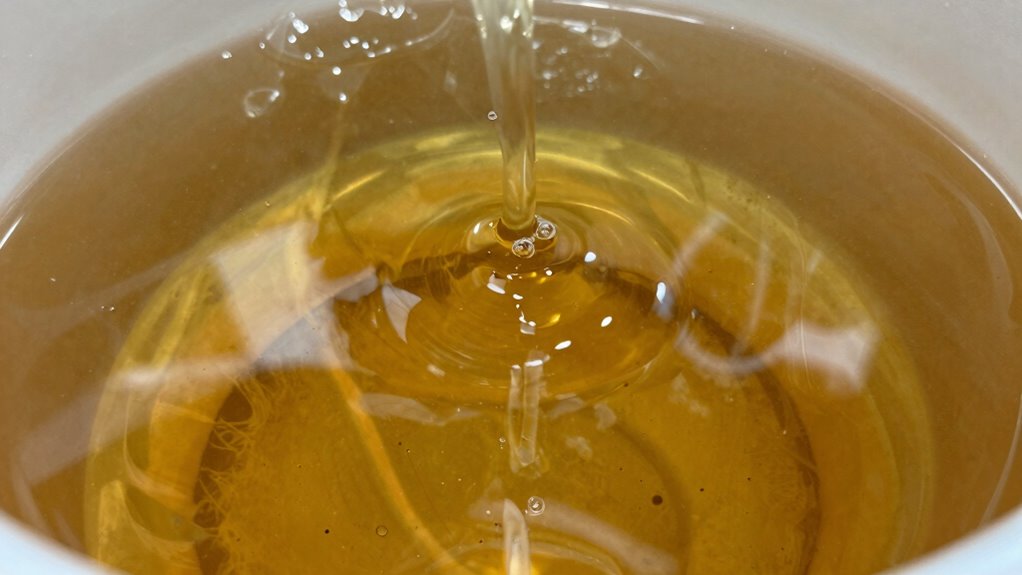
Have you ever wondered why your hydraulic system isn’t performing as smoothly as it should? Even when the oil looks clean and fresh, problems can still arise that undermine your equipment’s efficiency. One common issue is contamination issues, which might not be immediately visible but can cause significant damage over time. Tiny particles, dirt, or metal fragments can find their way into the hydraulic fluid during handling or storage. These contaminants can clog filters, cause wear on internal components, and lead to system failures. Fresh oil isn’t immune to these issues, especially if it’s not stored properly or if the container isn’t sealed tightly. You might think new oil is pure, but contamination issues can develop before it even reaches your system. Proper storage practices are essential to prevent contamination and preserve oil quality.
Another problem that often goes unnoticed with fresh hydraulic oil is viscosity fluctuations. Viscosity refers to the oil’s thickness or resistance to flow, and it’s critical for maintaining proper pressure and lubrication within your hydraulic system. If the oil’s viscosity isn’t within the recommended range, your equipment can experience sluggish operation, increased wear, or even leaks. Viscosity fluctuations can occur due to improper storage conditions—exposure to temperature changes, for example, can cause the oil to thicken or thin out. When stored in a hot environment, the oil may become too thin, reducing its lubricating properties. Conversely, cold storage can cause the oil to become too thick, making it difficult for the system to circulate smoothly. These fluctuations can happen with fresh oil if it’s not handled correctly, leading to performance issues right from the start. Additionally, contamination during handling can introduce debris that affects viscosity and overall oil performance. Proper handling and understanding oil properties are crucial to maintaining optimal system operation. To ensure the longevity and effectiveness of your hydraulic fluid, regular testing and analysis are recommended to catch potential issues early.
Even with new oil, you need to be mindful of how it’s stored, transported, and introduced into your system. If you overlook contamination issues, you risk trapping debris that will accelerate wear and tear on your equipment. Similarly, if you don’t consider viscosity fluctuations caused by temperature or shelf life, you might end up with oil that doesn’t perform as intended. Regularly inspecting your hydraulic fluid, ensuring proper storage practices, and choosing the right type of oil for your operating conditions can prevent many of these problems. Remember, fresh hydraulic oil isn’t always problem-free—it requires careful handling to ensure it maintains its purity and viscosity stability. By paying close attention to these factors, you can help extend the life of your hydraulic system and keep it running smoothly.
hydraulic oil contamination test kit
As an affiliate, we earn on qualifying purchases.
As an affiliate, we earn on qualifying purchases.
Frequently Asked Questions
How Long Can Hydraulic Oil Remain Effective After Opening?
Hydraulic oil can remain effective for about 1 to 2 years after opening if you keep the container sealed tightly. Proper sealing helps extend its oil shelf life by preventing contamination and oxidation. You should always check for signs of degradation, like changes in color, consistency, or smell, before use. Storing it in a cool, dry place also helps maintain its quality and guarantees it performs well when needed.
Can Temperature Fluctuations Affect Fresh Hydraulic Oil’s Performance?
Yes, temperature fluctuations can affect fresh hydraulic oil’s performance. When temperatures vary, the oil’s thermal stability can be compromised, leading to viscosity changes. In high heat, the oil may thin out, reducing its lubricating ability, while cold temperatures can make it too thick, impairing flow. These viscosity changes can cause equipment wear or inefficient operation, so maintaining a consistent temperature is essential for ideal hydraulic system performance.
Is It Necessary to Filter New Hydraulic Oil Before Use?
Think of new hydraulic oil as a treasure chest—its purity is essential. You should filter it before use to eliminate contamination risks, ensuring peak performance. Even fresh oil can harbor debris or impurities that threaten system efficiency. By filtering, you act as a gatekeeper, safeguarding your machinery from unseen threats. This simple step guarantees the oil’s quality, prolongs equipment life, and keeps your hydraulic system running smoothly.
What Are Signs of Contamination in Fresh Hydraulic Oil?
You can spot contamination in fresh hydraulic oil through signs like discoloration, cloudiness, or particles visible in the oil. Contamination sources often include dirt, water, or debris introduced during manufacturing or storage. To prevent this, follow storage best practices such as keeping containers sealed, storing in clean, dry areas, and avoiding exposure to dust. Regularly inspecting and filtering the oil helps guarantee it remains clean and effective for your equipment.
How Often Should Hydraulic Oil Be Tested for Quality?
Testing your hydraulic oil is like checking the health of a crucial organ; you should do it regularly. Typically, you should test oil every 6 to 12 months, depending on usage. Keep an eye on its color and viscosity consistency, which reveal contamination or breakdown. Regular testing guarantees your system runs smoothly, preventing costly failures caused by unnoticed degradation or contamination in fresh oil.
Conclusion
Just like Pandora’s box, fresh hydraulic oil might seem harmless, but it can hide unforeseen problems beneath its surface. Even new oil can contain contaminants or lack proper additives, leading to system wear or failure. So, remember, the journey of a thousand miles begins with a single step—check, filter, and treat your oil properly. Don’t let the promise of newness turn into a Pandora’s box of trouble; stay vigilant and keep your system running smoothly.
Halloween Picks
halloween
As an affiliate, we earn on qualifying purchases.