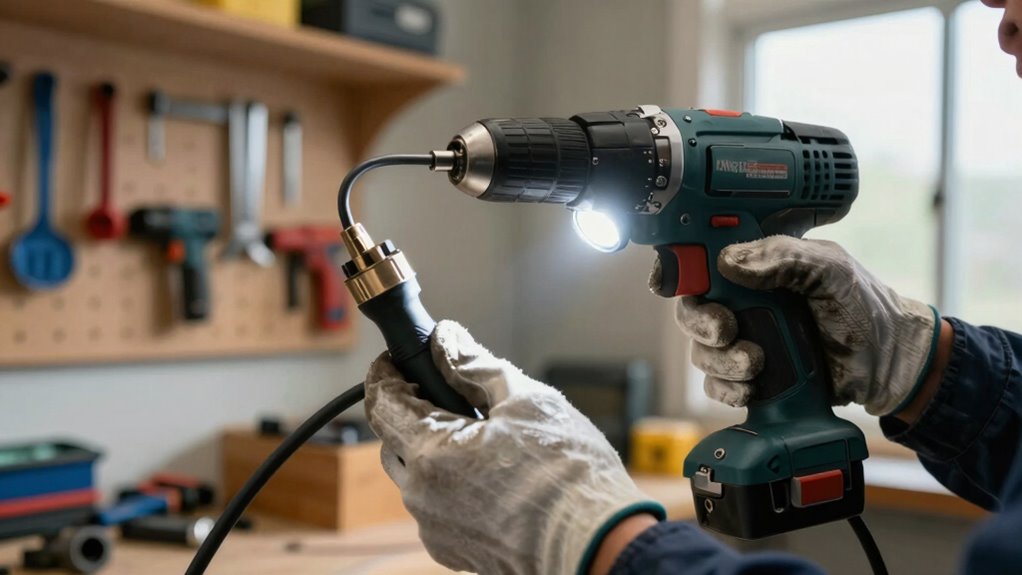
Before starting, spend ten minutes reviewing equipment for visible damage, loose parts, or wear. Confirm safety features and guards are in place and functioning properly. Make certain cords and plugs are secure, and PPE is in good condition and worn correctly. Check emergency exits and fire extinguishers nearby. Recognizing potential issues early helps prevent accidents and maintains safe operation. If you keep going, you’ll discover even more tips to keep safety front and center.
Key Takeaways
- Inspect equipment for visible damage, wear, and loose parts to ensure safe operation.
- Confirm all safety features and guards on machinery are functional before use.
- Review proper handling procedures for hazardous materials and ensure PPE is worn correctly.
- Check emergency exits, fire extinguishers, and ventilation to maintain a safe environment.
- Address or report any equipment issues immediately to prevent accidents or malfunctions.
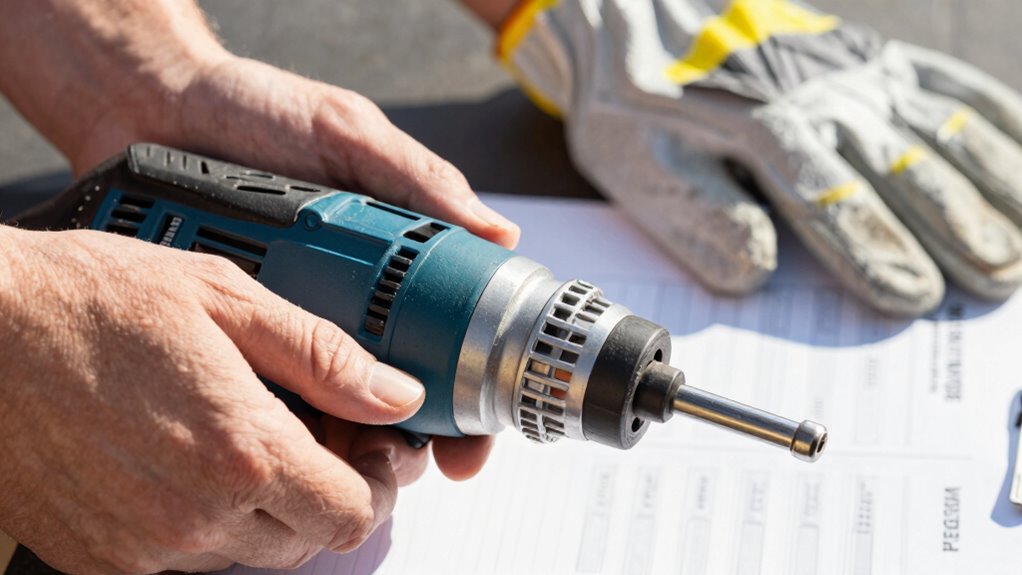
Before you start any task, taking just ten minutes for a quick safety check can prevent accidents and make sure everything runs smoothly. This brief period is your chance to perform an essential equipment inspection and review safety protocols, guaranteeing you’re fully prepared. When you approach your work with this mindset, you reduce the risk of mishaps and boost overall safety for yourself and those around you.
Begin by inspecting your equipment carefully. Check for any visible damage, loose parts, or signs of wear that could compromise performance. For example, if you’re handling power tools, ensure cords are intact and plugs are secure. If you’re working with machinery, confirm that guards and safety features are in place and functioning properly. Equipment inspection isn’t just about looking for obvious issues; it’s about being thorough, making sure that everything operates safely and efficiently. If you spot anything questionable, don’t ignore it—address it immediately or report it before proceeding. This proactive approach keeps potential hazards from turning into accidents.
Next, review and reinforce safety protocols relevant to your task. Refresh your memory on proper procedures, like how to handle hazardous materials or operate machinery correctly. Double-check that your personal protective equipment (PPE) is in good condition and properly worn. This might include helmets, gloves, eye protection, or respirators, depending on your work environment. Confirm that emergency exits are accessible and that fire extinguishers are in their designated places. By mentally reviewing these safety protocols, you’re reinforcing habits that keep everyone safe, including yourself. Additionally, understanding the importance of equipment safety can help you recognize potential issues before they cause problems. Incorporating proper ventilation measures can also reduce risks associated with poor indoor air quality, especially in enclosed workspaces. Regularly scheduled safety checks ensure ongoing protection and help cultivate a safety-conscious culture.
Taking these ten minutes isn’t just about ticking boxes—it’s about cultivating a safety-first mindset. It helps you identify potential issues before they escalate and builds a sense of responsibility for your own safety and that of your coworkers. It’s a quick investment that can save you from costly injuries or downtime. Remember, safety isn’t a one-time checklist; it’s an ongoing practice. Incorporate this routine into your daily start-up process, and it’ll become second nature. When you prioritize these checks, you create a safer work environment where everyone can focus on their tasks with confidence, knowing that safety measures are in place and equipment is in excellent condition.

Klein Tools ET310KIT AC Circuit Breaker Finder Kit, Electric Tester, GFCI Tester, Leads, Adapters and Case
- Accurate Breaker Identification: Quickly locate the correct breaker
- Visual and Audible Cues: Clear signals when breaker is found
- Built-in GFCI Tester: Test GFCI outlets and wiring
As an affiliate, we earn on qualifying purchases.
As an affiliate, we earn on qualifying purchases.
Frequently Asked Questions
How Often Should the Safety Check Be Performed?
You should perform a safety check before each use of the equipment. This means completing a quick safety checklist and equipment inspection every time you plan to operate it. Regularly doing these checks helps identify potential issues early, preventing accidents. Consistency is key; don’t skip a safety checklist or equipment inspection, even if it’s just for a short task. Staying vigilant guarantees your safety and the safety of others around you.
What Tools Are Necessary for the Safety Check?
Think of your safety check like a toolbox—organized and ready when needed. You’ll need personal protective equipment like gloves and goggles, a flashlight to inspect hard-to-see spots, and a checklist to guarantee emergency procedures are clear. These tools help you spot hazards early, keeping you safe. Always verify your gear’s condition before starting work, so if an emergency arises, you’re prepared to act swiftly and confidently.
Can the Safety Check Be Delegated to Someone Else?
Yes, you can delegate the safety check, but only if you consider delegation considerations and guarantee the person has proper safety training. You must verify they understand the safety protocols and can perform the check thoroughly. Regular training keeps everyone prepared. Remember, the responsibility for safety ultimately remains yours, so ensure the delegate is competent and confident to prevent any oversight during the safety check.
What Are Common Signs of Equipment Malfunction?
You should look for equipment indicators such as unusual noises, vibrations, or overheating, which often signal malfunction symptoms. Watch for inconsistent operation, warning lights, or leaks that can also indicate problems. If you notice any of these signs, stop using the equipment immediately and report it for maintenance. Identifying these malfunction symptoms early helps prevent accidents, ensuring safe and efficient operation during your work.
How Should Safety Issues Be Documented and Reported?
Just like filing a paper in a dusty filing cabinet, you should document safety issues promptly. Use clear safety documentation to detail what you observed, including dates and specifics. Report incidents immediately through your company’s incident reporting system, ensuring all relevant details are included. This keeps everyone informed, helps prevent future issues, and creates a safer work environment. Timely, accurate documentation is your best tool for safety management.
Conclusion
Remember, your safety check is the compass guiding you through each ride. Just like a skilled sailor trusts their navigation tools before setting sail, taking those 10 minutes guarantees you’re prepared for smooth sailing ahead. Skipping this essential step is like sailing into uncharted waters without a map—risky and unnecessary. So, make the safety check your daily anchor, grounding you in readiness and confidence. With this simple habit, you’ll navigate every journey safely and smoothly.





![How Blackwing Pencils Are Made [Video]](https://woodsplittersdirect.com/wp-content/uploads/2026/08/how-blackwing-pencils-are-made-video-featured-260x140.jpg)