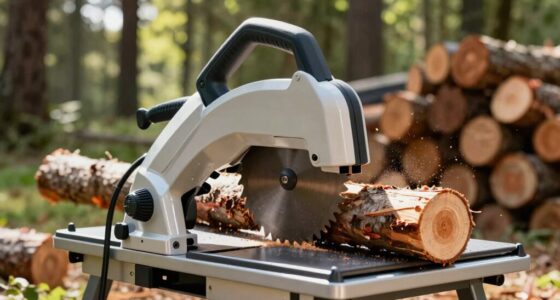

When working in a woodlot, it’s essential to identify clear safety zones free of combustible materials and positioned away from fire hazards. Plan multiple escape routes that are unobstructed, well-marked, and lead to safe areas outside the fire’s reach. Practice these routes regularly, considering terrain and wind. To stay prepared, understand how to mark safe zones and develop emergency plans—continuing will help you master these critical fire safety strategies.
Key Takeaways
- Identify and mark safety zones free of combustible materials near woodlots for quick refuge.
- Plan multiple, unobstructed escape routes leading away from fire-prone areas within the woodlot.
- Ensure safety zones are accessible, large enough, and located away from dry brush or dead trees.
- Regularly practice escape routes and update plans considering terrain, wind, and obstacles.
- Maintain fire prevention measures like clearing debris and keeping firefighting tools ready in the woodlot.

When working or recreating in a woodlot, understanding safety zones and escape routes is essential for your protection. Fire prevention and emergency planning go hand in hand to ensure you’re prepared for unexpected situations. Before you start, take time to identify clear safety zones—areas where you can retreat safely if a fire suddenly sparks or conditions change rapidly. These zones should be free of combustible materials, easily accessible, and located away from potential fire sources like dry brush or dead trees. Knowing where these zones are in advance means you won’t waste precious seconds trying to figure out where to go when danger strikes, which is crucial in high-stakes situations.
Identify and prepare fire safety zones in advance for quick, safe retreat during emergencies.
Creating a solid emergency plan involves more than just knowing where safety zones are; it requires understanding how to reach them quickly. Always plan multiple escape routes from your work or recreation spot. These routes should be unobstructed, well-marked, and capable of leading you to a safe area outside of the fire’s reach. Practice these routes regularly, especially if you’re working in unfamiliar terrain, so they become second nature. When developing your emergency plan, consider the wind direction, terrain features, and potential obstacles. The goal is to avoid narrow or congested pathways that could trap you or slow your escape. Remember, fire can spread unpredictably, so having alternative routes ensures you’re not left stranded if one path becomes compromised.
In addition to knowing your escape routes, keep your environment prepared for fire prevention. Maintain a safe distance between your activity area and flammable vegetation, and clear away dead leaves or brush that could fuel a fire. Carry fire suppression tools such as a fire extinguisher, water, or a firefighting blanket, and know how to use them effectively. Regularly inspecting your equipment and ensuring it’s readily accessible will make a difference during an emergency. Practice quick decision-making and stay alert, especially during dry or windy conditions, which increase fire risk. Incorporating fire-resistant landscaping strategies can also significantly reduce the risk of fire spreading to your area.
Ultimately, your safety depends on a combination of fire prevention measures and thorough emergency planning. Being proactive—knowing your safety zones, practicing escape routes, and keeping fire suppression tools handy—can significantly reduce your risk. By staying prepared, you can respond swiftly and confidently if a fire occurs, keeping yourself and others safe. Remember, the key is to stay vigilant, plan ahead, and act decisively to protect yourself in any emergency situation.

NoCry Clear Safety Glasses for Men and Women with Anti-Fog and Scratch Resistant Wrap Around Lenses, Adjustable Temples and Nose Pads — ANSI Z87 Certified Protective Eyewear with 100% UV Shielding
- Durable Polycarbonate Wraparound Design: Provides superior protection from threats
- Adjustable Fit for Comfort: Extendable arms and soft nose pads
- Non-slip Rubber Grips: Ensures glasses stay securely in place
As an affiliate, we earn on qualifying purchases.
Frequently Asked Questions
How Do I Identify the Safest Escape Routes During a Wildfire?
You should identify the safest escape routes by choosing paths with minimal fuel, clear of trees and debris, and heading away from the fire’s direction. Wear fire-resistant clothing to stay protected, and keep emergency communication devices handy to stay updated on fire conditions. Always plan multiple routes beforehand, move quickly, and avoid narrow or enclosed areas. Remaining alert and prepared helps make sure you escape safely during a wildfire.
Are There Specific Signs Indicating a Safe Zone in a Woodlot?
You might think signs are the only indicators, but fire-resistant markers and safety zone signage are key. Look for brightly colored signs with clear labels indicating designated safe zones, especially those reinforced with fire-resistant materials. These signs are designed to withstand fire and help you identify secure areas quickly. Don’t rely solely on signs; also observe natural features like large, open spaces free of heavy vegetation, which can serve as additional safety indicators.
How Often Should Safety Zones Be Reviewed or Updated?
You should review your safety zones at least annually, especially after significant weather events or changes in the woodlot. Conduct a fire risk assessment during each review to identify new hazards, and prioritize safety zone maintenance to guarantee it’s effective. Regular updates help you stay prepared and ensure that safety zones remain clear, accessible, and properly marked, reducing fire risks and improving escape routes for everyone on-site.
Can Animals or Pets Safely Use Designated Escape Routes?
Animals and pets can safely use designated escape routes if those paths are clear and accessible. For animal safety, verify escape routes are free of obstacles and hazards, allowing pets to evacuate quickly during emergencies. Practice pet evacuation regularly so your animals know the route and feel comfortable. Always supervise pets during evacuation to prevent them from wandering off or getting injured, and keep a collar or ID tags on them for quick identification.
What Equipment Is Recommended for Quick Evacuation From a Woodlot?
Did you know that quick evacuation can increase survival chances by up to 80%? To evacuate swiftly from a woodlot, carry fire-resistant gear like gloves, a jacket, and boots. Keep an emergency communication device, such as a fully charged radio or cell phone, readily accessible. These items guarantee you’re protected and able to call for help or receive updates, helping you escape safely and efficiently.
Conclusion
Remember, establishing safety zones and clear escape routes is vital when working in woodlots. Did you know that nearly 70% of wildfire-related injuries occur when workers can’t find quick escape routes? By planning ahead and maintaining these safety features, you greatly reduce your risk. Stay alert, keep your routes unobstructed, and always prioritize your safety. Being prepared could be the difference between escape and danger in an emergency situation.