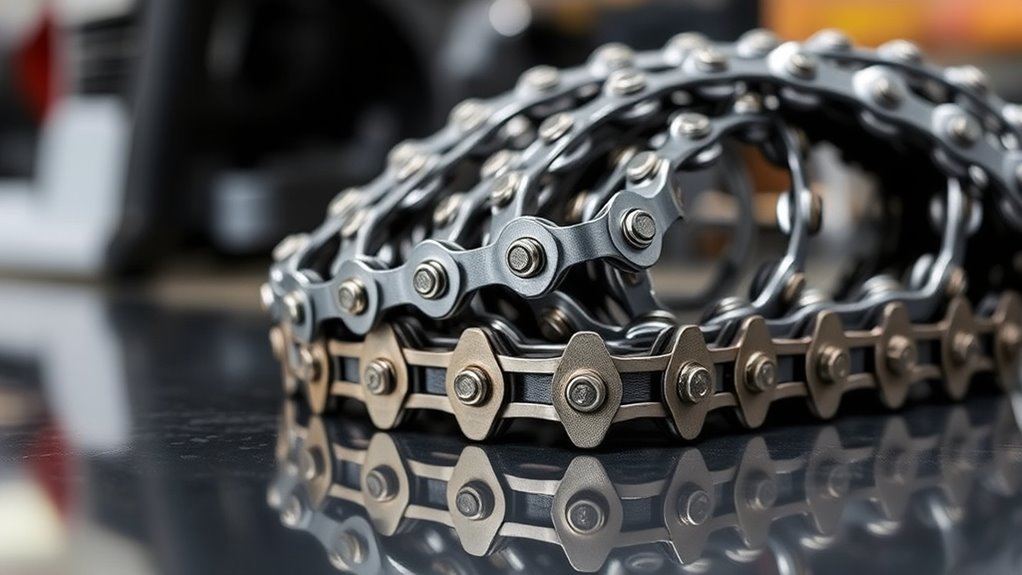

Low-kickback chains are designed to keep you safer by reducing the risk of sudden chain reactions during cutting. They feature a shorter or specially shaped nose on the guide bar to prevent catching and are built to meet safety standards. Proper chain maintenance like sharpening and regular inspection, along with correct lubrication, also plays a crucial role. Keep in mind, combining these safety features with good practices helps create a safer experience—there’s more to discover if you continue exploring.

Get tools and workshop supplies delivered free — and shop member deals
- Fast, free delivery on millions of items
- Access to Prime Big Deal Days deals on October 6–7
- Prime Video, Amazon Music and more included
Key Takeaways
- Low-kickback chains are designed to reduce the risk of sudden chain reactions during cutting, enhancing safety.
- They feature a shorter or specially shaped nose on the guide bar to prevent catching and kickback.
- Regular inspection and proper maintenance of the chain improve safety and cutting efficiency.
- Using correct lubrication and tensioning minimizes chain heat, wear, and potential accidents.
- Combining low-kickback chains with safety practices and proper training creates a safer chainsaw operation environment.
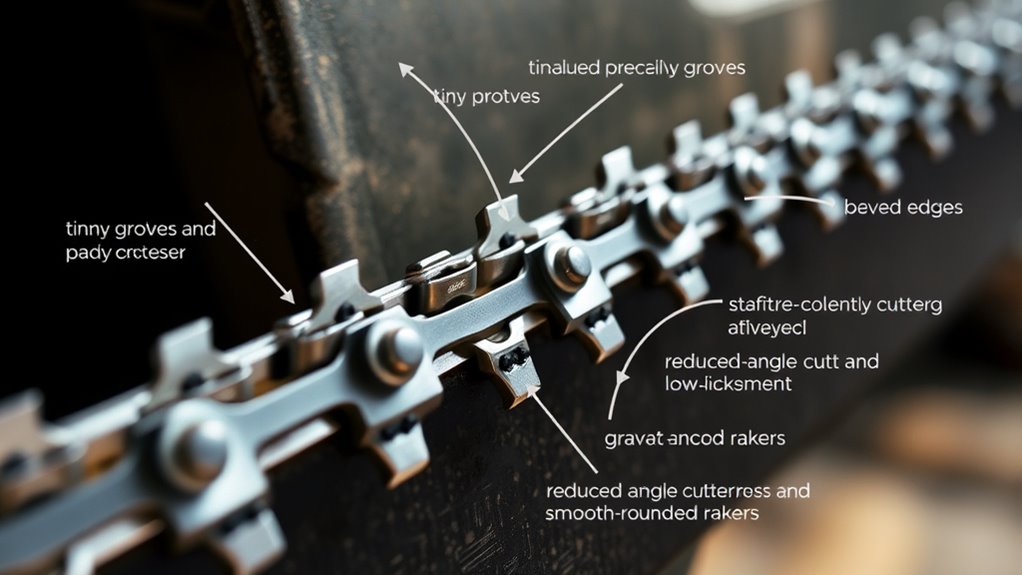
Are low-kickback chains the safest choice for your chainsaw? If safety is a top priority, these chains are designed with you in mind. They meet specific safety regulations that aim to reduce the risk of kickback, which is one of the most common causes of chainsaw injuries. When you opt for a low-kickback chain, you’re choosing a product that has been engineered to minimize sudden, dangerous reactions during operation. This doesn’t mean you can ignore proper chain maintenance or safety protocols, but it does give you an added layer of protection. These chains typically feature a shorter or differently shaped nose on the guide bar, which helps prevent the chain from catching unexpectedly. As a result, they’re especially suitable for less experienced users or for tasks that involve close, precise cuts.
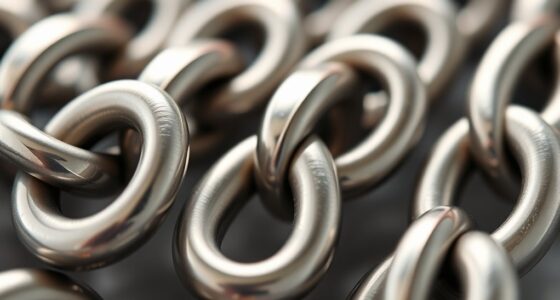
To keep your low-kickback chain functioning safely and efficiently, you need to prioritize chain maintenance. Regularly inspect the chain for signs of wear, such as dullness, chipped teeth, or loose links. A dull chain not only makes cutting more difficult but also increases the likelihood of kickback because you’re applying more force to the saw. Sharpen the chain as needed, following the manufacturer’s specifications, which will help guarantee smooth operation and reduce safety risks. Tensioning is equally important; a chain that’s too loose can derail or cause unpredictable movements, while one that’s too tight can strain the motor. Adjust the tension according to the guidelines, and always double-check after making any adjustments.
Additionally, proper lubrication is essential. A well-lubricated chain reduces friction, heat buildup, and wear, all of which contribute to safer and more efficient cutting. Use the correct bar and chain oil, and check the oil reservoir regularly to prevent running the saw with insufficient lubrication. Keep the guide bar clean and free of debris, as build-up can interfere with chain movement and increase the risk of kickback. Remember, safety regulations often emphasize the importance of using chains that are well-maintained and fit for purpose, so adhering to these standards is vital. When you combine the inherent safety features of low-kickback chains with diligent chain maintenance, you create a safer working environment and extend the lifespan of your chainsaw. Proper energetic alignment can further enhance your safety practices and overall cutting performance. Ultimately, investing in quality chains and practicing regular maintenance not only protects you but also ensures your saw performs at its best, making your task safer and more efficient.
As an affiliate, we earn on qualifying purchases.
Frequently Asked Questions
Are Low-Kickback Chains Suitable for Professional Use?
Yes, low-kickback chains are suitable for professional use because they enhance safety without sacrificing performance. They help maintain professional safety standards by minimizing kickback risks, which is vital during intense cutting tasks. Just make sure the chain is compatible with your saw to avoid issues. Using the right low-kickback chain not only protects you but also ensures smooth operation, making it a smart choice for professional carpenters and landscapers.
How Do Low-Kickback Chains Compare in Lifespan to Standard Chains?
You’ll find low-kickback chains generally last around 20% shorter than standard chains, primarily due to their design prioritizing safety over longevity. However, their enhanced wear resistance guarantees they maintain chain durability during use. While they might need more frequent replacements, their reduced kickback can make cutting safer for less experienced users. Ultimately, if safety is your top priority, low-kickback chains offer a balanced trade-off despite their slightly shorter lifespan.
Can Low-Kickback Chains Be Used on All Chain Saw Models?
You can’t use low-kickback chains on all chainsaw models, as chain compatibility depends on your saw’s design and manufacturer guidelines. Always check your chainsaw’s manual or consult the manufacturer to make certain the low-kickback chain you choose fits properly. Using incompatible chains can cause safety issues or damage your equipment, so verify compatibility before making a switch. Following these guidelines helps you operate safely and extend your chainsaw’s lifespan.
What Safety Precautions Should I Take With Low-Kickback Chains?
When using low-kickback chains, you should wear protective gear like gloves, goggles, and hearing protection to stay safe. Always check and adjust chain tensioning before cutting to prevent accidents. Keep a firm grip on your chainsaw, and be cautious of your surroundings. Regularly inspect the chain for damage, and follow the manufacturer’s safety instructions. These precautions help reduce risks and ensure a safer cutting experience.
Are Low-Kickback Chains More Expensive Than Regular Chains?
Low-kickback chains are generally more expensive than regular chains due to their specialized safety features and manufacturing standards. The cost difference varies depending on factors like brand, chain size, and quality. While the higher price might seem like a deterrent, investing in a low-kickback chain enhances safety and reduces risk, making it a worthwhile choice. Remember, pricing factors also include material durability and compliance with safety regulations, which can influence overall costs.
Conclusion
Using a low-kickback chain is like gently guiding your saw through a delicate dance, minimizing the chance of sudden surprises. It’s your trusted partner in keeping the rhythm smooth and safe, allowing you to work confidently without worry. By choosing the right chain, you’re not just cutting wood—you’re nurturing a safer, more enjoyable experience. Embrace this softer touch, and let your craftsmanship flow effortlessly, turning every project into a masterpiece with peace of mind.
Fall Picks
fall essentials
As an affiliate, we earn on qualifying purchases.