
To follow Leave No Trace when gathering firewood, choose dead or fallen wood instead of damaging live trees, and collect only what you need. Check local regulations and get permits if required. Always use established fire rings, fully extinguish fires, and pack out trash to minimize impact. Distribute your collection to avoid overharvesting and support natural regeneration. Keep these practices in mind to protect the environment and ensure future visits—more tips await if you explore further.
Key Takeaways
- Collect only dead, fallen wood and avoid live trees or sensitive habitats.
- Obtain necessary permits and follow local regulations before gathering firewood.
- Use established fire rings, fully extinguish fires, and pack out all trash.
- Distribute collection across multiple spots to prevent overharvesting.
- Support natural decay and regeneration to protect ecosystem health and ensure sustainability.
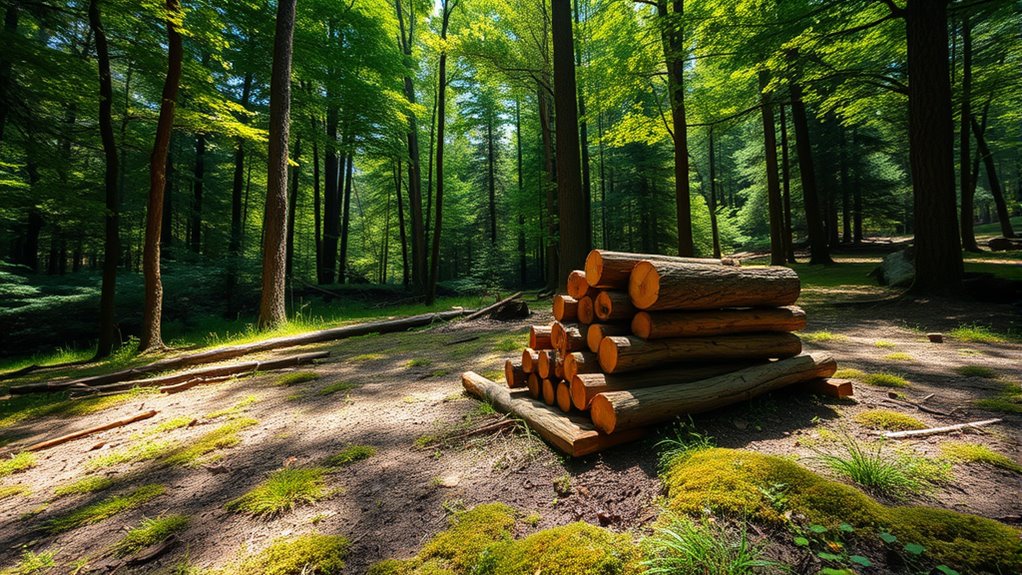
Gathering firewood can be a rewarding part of outdoor adventures, but it’s vital to do so responsibly to protect the environment. When you’re collecting wood, focus on sustainable harvesting practices that guarantee the forest can regenerate and thrive for future visitors. This means selecting dead or fallen wood rather than cutting live trees, which helps preserve the health of the ecosystem. Using fallen branches and twigs minimizes your impact and supports the natural cycle of decay and renewal. Remember, taking only what you need prevents overharvesting and keeps the landscape balanced.
Choose fallen wood and practice sustainable harvesting to protect the environment and ensure future forest health.
Before heading out, it’s essential to familiarize yourself with local regulations. Many parks and public lands have specific rules about firewood collection, often requiring permits or restricting the amount of wood you can gather. Ignoring these regulations can lead to fines and damage the environment you’re there to enjoy. Check with park authorities or land management agencies beforehand to understand what’s permitted and where. Respecting these rules isn’t just about avoiding penalties; it’s about being a responsible steward of the land and ensuring everyone can enjoy its resources sustainably.
While gathering firewood, pay attention to the sources and avoid damaging living trees or sensitive habitats. Avoid cutting into the trunk of a tree or removing wood from areas showing signs of ecological disturbance. Instead, focus on gathering from already fallen wood, which has little to no impact on the surrounding environment. If you’re in a forested area, try to distribute your collection across different spots rather than concentrating your efforts in one place. This prevents overharvesting in any single area and allows the ecosystem to recover naturally. Additionally, being aware of local regulations helps ensure your firewood collection remains sustainable and compliant with conservation efforts.
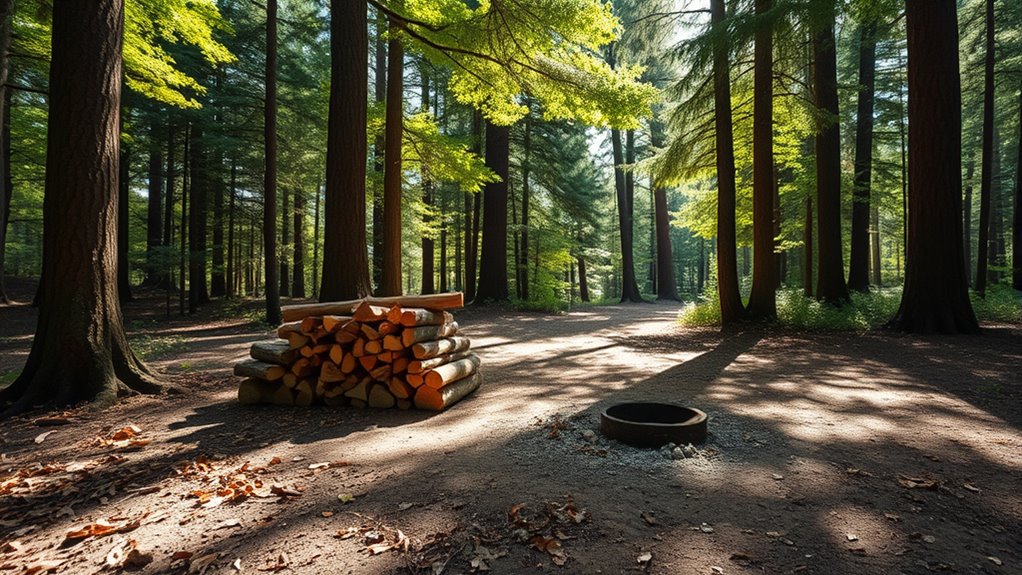
In addition to following regulations and practicing sustainable harvesting, always leave the area better than you found it. Pack out any trash, avoid trampling vegetation, and be cautious not to start wildfires. Use established fire rings or pits whenever possible, and extinguish your fire thoroughly before leaving. By doing so, you’re helping prevent wildfires and protecting wildlife habitats. These small acts of responsibility make a big difference in preserving natural spaces for future enjoyment.
Ultimately, responsible firewood gathering involves awareness, respect, and a commitment to conservation. By understanding and following local regulations, practicing sustainable harvesting, and minimizing your impact, you contribute to the health of the environment and ensure that others can enjoy these outdoor spaces just as much as you do. Your mindful actions help uphold the Leave No Trace principles, making outdoor adventures enjoyable and sustainable for everyone.
Frequently Asked Questions
Are There Legal Restrictions on Firewood Collection in National Parks?
Yes, you need to follow specific collection regulations and obtain firewood permits in national parks. These rules help protect ecosystems and prevent the spread of pests. Always check park-specific guidelines before gathering firewood, as unauthorized collection can lead to fines or penalties. Using designated areas and adhering to permit requirements guarantees you stay within legal boundaries while practicing responsible recreation.
How Can I Identify Sustainable Firewood Sources?
Think of sustainable firewood sources like a well-tended garden—you’re responsible for keeping it healthy. To identify them, look for signs of responsible sourcing and sustainable harvesting practices, such as deadwood or fallen branches, rather than live trees. Ask local land management agencies or wood suppliers about their collection methods. By choosing responsibly sourced firewood, you help protect ecosystems while enjoying your campfire.
What Tools Are Recommended for Collecting Firewood Responsibly?
For sustainable harvesting, you should choose tools that minimize damage and promote responsible collection. A handsaw or axe allows you to select dead, fallen wood, reducing impact on live trees. Carry a pruning saw for precise cuts and a small axe for splitting. Use gloves to protect your hands and a lightweight cart or backpack to carry your firewood efficiently. Proper tool selection helps you gather firewood responsibly while preserving the environment.
Can I Gather Firewood During Protected Wildlife Nesting Seasons?
Sure, go ahead and gather firewood during wildlife nesting seasons—if you enjoy causing chaos and disrupting nature’s plans. But realistically, seasonal restrictions exist for a reason: to protect wildlife during sensitive nesting periods. Ignoring these rules can harm vulnerable species and disturb ecosystems. So, respect wildlife nesting and follow seasonal restrictions; it’s a simple way to guarantee nature’s harmony, even if it means postponing that cozy campfire.
How Do I Handle Firewood Collection in Areas With Invasive Species?
When collecting firewood in areas with invasive species, you should carefully follow invasive species management practices and adhere to firewood transportation regulations. Always inspect your firewood for invasive pests or plant material, and avoid bringing in contaminated wood from other regions. Use local firewood only, and clean your tools and gear afterward to prevent spreading invasive species. This helps protect native ecosystems and supports responsible firewood gathering.
Conclusion
By following Leave No Trace principles, you guarantee that future generations can enjoy the beauty of nature just like you do today. When gathering firewood, ask yourself if your actions respect the environment and its delicate balance. Will you leave the area better than you found it, or will your choices leave scars on this pristine wilderness? Choose to be a responsible steward of nature, so everyone can experience its wonder for years to come.