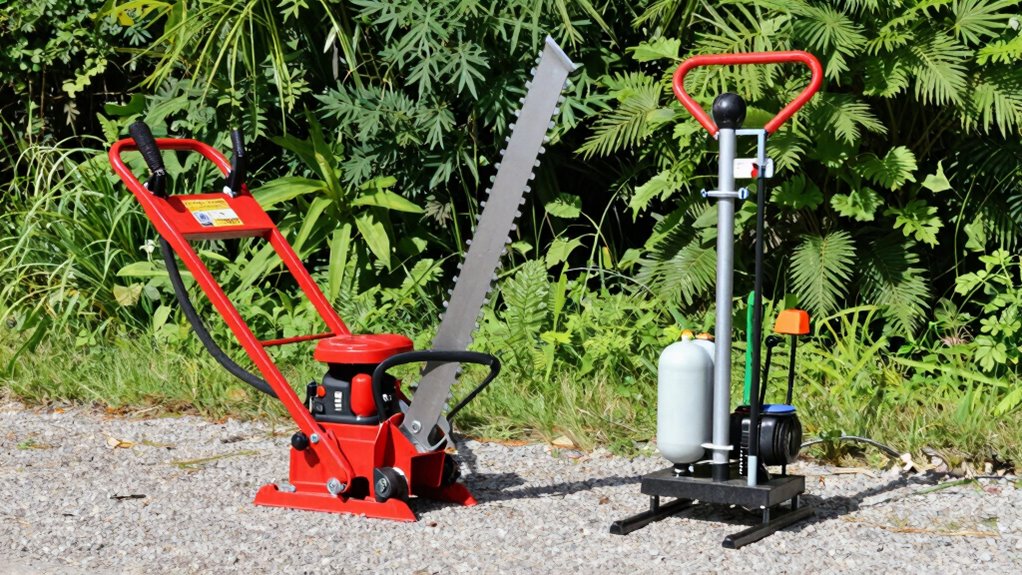

In real life, choosing between a 3-point hitch and a standalone PTO splitter changes how you set up, move, and operate your equipment. A 3-point hitch connects directly to your tractor, offering quick setup and integrated hydraulics, but you’re limited by your tractor’s hydraulic capacity. Standalone PTO splitters are more portable, with their own hydraulic systems, providing consistent power. If you want to understand how these differences affect your efficiency and workflow, there’s more to know ahead.

Get business pricing on tools and workshop supplies
- Business-only prices and quantity discounts
- Tax-exempt purchasing
- Multiple users, one account, clear invoices
Key Takeaways
- 3-point hitch splitters are mounted on the tractor, while PTO splitters are portable and attach via a PTO shaft.
- PTO splitters have built-in hydraulic systems, ensuring consistent power regardless of tractor capacity.
- 3-point hitch splitters depend on tractor hydraulic flow, affecting speed and force based on tractor performance.
- PTO splitters are easier to transfer between machines, offering greater flexibility and mobility in real-life use.
- Installation of 3-point hitch splitters is quicker and simpler, but PTO splitters provide more reliable hydraulic performance.
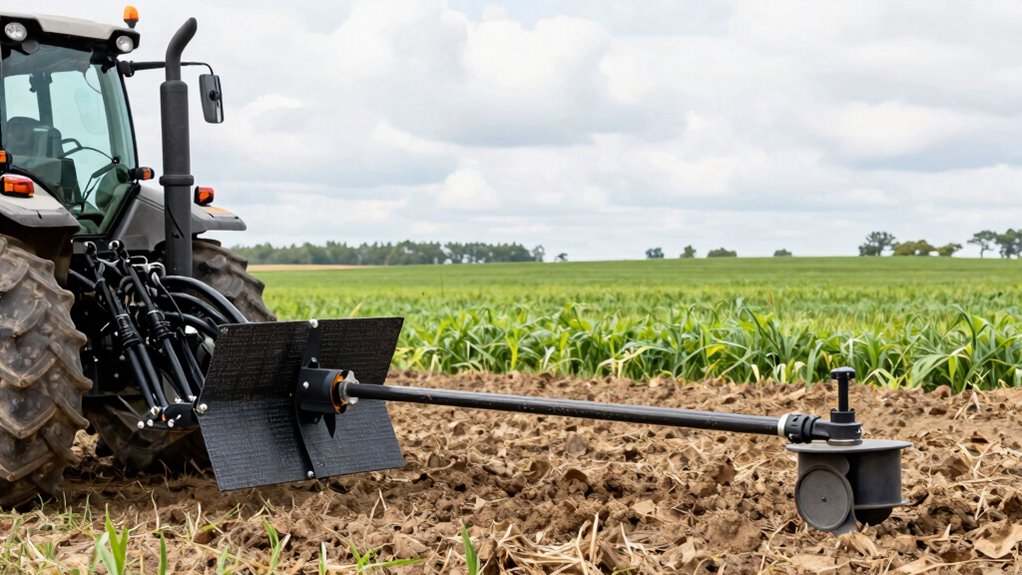
When choosing between a 3-point hitch splitter and a standalone PTO splitter, understanding the key differences can help you make the best decision for your needs. One of the most noticeable differences lies in hydraulic efficiency. A 3-point hitch splitter is typically powered directly through your tractor’s hydraulic system, which means its performance depends on the tractor’s hydraulic capacity. If your tractor has a high-flow hydraulic system, you’ll find that a 3-point hitch splitter can deliver fast, powerful splits. However, if the hydraulic system is limited, you might experience slower cycle times or less force, which could affect productivity. On the other hand, standalone PTO splitters often come with their own hydraulic pumps, designed specifically for splitting tasks. This setup generally ensures more consistent hydraulic performance, regardless of your tractor’s capacity. It allows you to optimize hydraulic flow for maximum efficiency and speed, especially when dealing with large or tough logs. Additionally, hydraulic system compatibility is a crucial factor to consider, as mismatched components can lead to performance issues. Ensuring compatibility can also help prevent potential damage to your equipment and improve overall safety. Furthermore, choosing the right splitter can influence your maintenance requirements and long-term durability, which are important considerations for sustainable and efficient operation.
Ease of installation is another key factor that impacts your daily workflow. A 3-point hitch splitter is designed to be mounted onto your tractor’s three-point hitch system, which makes installation straightforward if you already have the necessary mounting points. You simply hook it up, connect the hydraulic hoses, and you’re ready to go. This makes it a convenient choice if you want to save time and avoid complicated setup procedures. Conversely, standalone PTO splitters require attaching a power take-off shaft to your tractor and ensuring proper alignment and safety measures. While installation might take a bit longer, once set up, these splitters tend to be more portable. You can quickly move them between different tractors or storage locations, which offers flexibility if you manage multiple machines or need to switch tasks frequently. This portability can also be advantageous for those with limited workspace or who prefer modular equipment. The ability to adapt equipment to different setups can also contribute to a more cost-effective operation over time.
In real life, these differences influence your overall workflow and productivity. If you prioritize quick setup, integrated hydraulic systems, and minimal equipment, a 3-point hitch splitter could be ideal. But if you want reliable, consistent hydraulic power with the ability to switch between machines easily, a standalone PTO splitter might serve you better. Ultimately, your choice depends on the hydraulic capacity of your tractor, how often you need to move equipment, and your installation preferences. Both options have their advantages, but understanding these core differences ensures you select the splitter that best aligns with your operational needs.
As an affiliate, we earn on qualifying purchases.
Frequently Asked Questions
Which Splitter Is More Cost-Effective Long-Term?
The standalone PTO splitter generally offers better long-term savings because of its lower initial cost and easier maintenance. Its cost comparison shows fewer parts that can break down, reducing repair expenses over time. While a 3-point hitch splitter might be more versatile, investing in a standalone PTO splitter can save you money in the long run, especially if you prioritize straightforward operation and lower upkeep costs.
How Does Each Splitter Affect Tractor Fuel Consumption?
A standalone PTO splitter generally uses more fuel because it relies solely on the tractor’s PTO, which can lead to less hydraulic efficiency and higher fuel consumption during operation. Meanwhile, a 3-point hitch splitter often offers better hydraulic efficiency, helping you save fuel. If fuel savings matter to you, a 3-point hitch model might be more cost-effective in the long run, reducing your overall operational costs.
Are Maintenance Requirements Different Between the Two Types?
Think of maintenance as tending to a trusted garden—consistent care yields the best harvest. With a 3-point hitch splitter, your maintenance frequency might be higher, needing regular lubrication to keep everything flowing smoothly. A standalone PTO splitter often requires less frequent upkeep but still demands attentive lubrication. In both cases, staying proactive guarantees your equipment runs efficiently, prolonging its life and preventing unexpected breakdowns.
Can Both Splitters Handle the Same Wood Sizes?
Both splitters can handle similar wood sizes, but capacity varies. Standalone PTO splitters often have higher splitter capacity compared to 3-point hitch models, meaning they can manage larger or more stubborn logs more effectively. However, some 3-point hitch splitters are versatile enough for moderate wood sizes. Always check the wood size compatibility and split capacity comparison to guarantee your chosen splitter meets your specific needs.
Which Option Offers Better Safety Features?
You’ll find that standalone PTO splitters often have better safety features because they comply more strictly with safety regulations. They typically include emergency shut-off switches and clear safety shields. With proper operator training, you minimize risks, especially since standalone units are easier to control. In contrast, 3-point hitch splitters may require more caution, but thorough training helps guarantee safe operation regardless of the equipment choice.
Conclusion
Choosing between a 3-point hitch and a standalone PTO splitter is like selecting the right brush for your canvas—each stroke shapes your masterpiece differently. The hitch offers flexibility, like a brush that dances across various surfaces, while the standalone splitter stands firm, like an anchor holding steady in the storm. Consider your needs and work style; whether you prefer the graceful flow or steadfast strength, your choice will paint a clearer picture of efficiency and ease in your farm life.
Columbus Day / Indigenous Peoples' Day Picks
long weekend sales
As an affiliate, we earn on qualifying purchases.