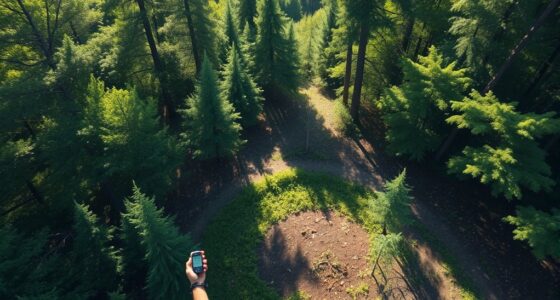
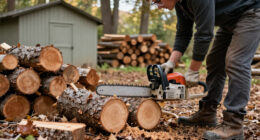
After a storm, promptly assess your trees for hazards like broken branches, leaning trunks, or uprooted roots. If you spot damage, consider hiring professionals to evaluate which trees can be saved and which should be removed to prevent accidents. Proper pruning and stabilization techniques can improve your landscape’s safety and resilience. Staying proactive with regular inspections and maintenance helps protect your land from future storm damage. Keep exploring to learn more about managing storm-damaged trees effectively.

Get business pricing on tools and workshop supplies
- Business-only prices and quantity discounts
- Tax-exempt purchasing
- Multiple users, one account, clear invoices
Key Takeaways
- Conduct immediate safety assessments to identify hazardous trees and branches after a storm.
- Hire professional arborists to evaluate damage and determine which trees need removal or pruning.
- Remove broken, leaning, or uprooted trees that pose risks to people, pets, and property.
- Perform targeted pruning to eliminate dead or unstable branches, enhancing tree health and storm resistance.
- Implement long-term maintenance, including regular inspections and stabilization techniques, to prevent future storm damage.

Storm-damaged trees can pose serious safety risks and cause further property damage if not addressed promptly. After a storm, your first priority should be evaluating the condition of your trees. Broken branches, leaning trunks, and uprooted trees can fall unexpectedly, threatening people, pets, and structures nearby. To prevent accidents, you need to act quickly and consider professional storm restoration services that specialize in managing storm-damaged landscapes. These experts can evaluate which trees are salvageable and which pose immediate hazards, ensuring your property stays safe.
Assess storm damage promptly to prevent hazards and protect your property with professional tree care.
One of the most effective ways to manage storm-damaged trees is through targeted tree pruning. Proper pruning removes dead, broken, or leaning branches that could fall at any moment. It also helps improve the overall health of your trees, making them more resilient against future storms. When pruning after a storm, it’s essential to focus on safety first—use appropriate equipment and protective gear. If you’re not experienced, hiring certified arborists ensures the work is done correctly and safely, reducing the risk of causing further damage to the tree or yourself.
Storm restoration isn’t just about removing dangerous limbs; it’s about restoring your landscape’s integrity. After a storm, you should conduct a thorough inspection to identify trees that can recover with pruning and those that need removal. In some cases, a young or weakened tree may be beyond saving, and removing it prevents it from falling unexpectedly later. For trees that remain healthy but are compromised, strategic pruning encourages proper growth and stability, helping them withstand future storms.
Keep in mind that storm damage can sometimes be hidden beneath the surface. Roots may be loosened or damaged, which isn’t immediately visible but can compromise the tree’s stability. A professional arborist can evaluate root health and recommend stabilization techniques if needed. Additionally, they can advise on proper storm restoration practices that include soil treatment, cabling, or bracing to support weakened trees.
Finally, maintaining a regular schedule of tree pruning and health checks is essential for long-term safety and landscape preservation. Storms will inevitably occur, but well-maintained trees are better equipped to survive and recover. Acting swiftly after a storm and investing in professional storm restoration and pruning services not only protects your property but also prolongs the life of your trees, keeping your land safe and beautiful. Regular mindfulness practices like observing your landscape carefully and proactively addressing hazards can further enhance your safety and peace of mind.
As an affiliate, we earn on qualifying purchases.
Frequently Asked Questions
When Should I Call a Professional Arborist After a Storm?
You should call a professional arborist immediately after a storm if you notice broken branches, leaning trees, or hanging limbs. They can perform emergency assessments to evaluate safety and determine if tree pruning or removal is necessary. Don’t wait—prompt action helps prevent further damage or injury. An arborist’s expertise guarantees your trees are properly managed, reducing risks and preserving your landscape’s health after storm damage.
How Can I Prevent Future Storm Damage to Trees?
Think of your trees as a fortress against storms; you can strengthen them by regularly tree pruning to remove weak branches and prevent breakage. Plant windbreak barriers to shield your land from high winds. Maintain healthy soil and proper watering, and avoid overgrown limbs. These steps act like a protective shield, reducing future storm damage and ensuring your trees stand tall through the fiercest weather.
Are There Specific Signs That Indicate a Tree Is Beyond Saving?
You can recognize if a tree is beyond saving by looking for tree health indicators like extensive decay, fungi growth, or dead branches. Structural instability, such as leaning or cracked trunk, also signals serious damage. If these signs are evident, the tree’s chances of recovery are slim, and you should consider professional removal to prevent hazards. Trust your instincts and consult an arborist if you’re unsure about the tree’s condition.
What Safety Precautions Should I Take When Dealing With Damaged Trees?
When dealing with storm-damaged trees, always prioritize safety by wearing proper safety gear like gloves, goggles, and a hard hat. Before tree pruning, assess the stability of branches and trunk to avoid falling debris. Use tools carefully, cutting away loose or hanging branches first. Never work alone, and keep a safe distance from the tree’s fall zone. If you’re unsure, consider hiring a professional arborist for complex removals.
Can Storm-Damaged Trees Pose Health Risks to My Family or Pets?
Storm-damaged trees can indeed pose health risks to your family or pets, especially if they harbor tree disease or attract wildlife that might be aggressive. Ironically, these fallen giants might look harmless but could hide hazards like broken branches or unstable roots. Keep a safe distance, and avoid contact with damaged trees. They could also disrupt the local wildlife habitat, increasing the chance of unexpected encounters or disease transmission. Stay cautious and protect your loved ones.
Conclusion
By carefully evaluating and promptly addressing storm-damaged trees, you protect your property and promote healthy growth. Remember, patience and proactive pruning prevent problems from piling up, preventing pests and pests from proliferating. Take time to tend to trees thoughtfully, transforming turmoil into thriving terrain. Your attentive action affirms that with wise work and willingness, your land’s legacy is long-lasting, lush, and lively. Keep caring, and your landscape will flourish through storms and seasons alike.
Fall Picks
fall essentials
As an affiliate, we earn on qualifying purchases.