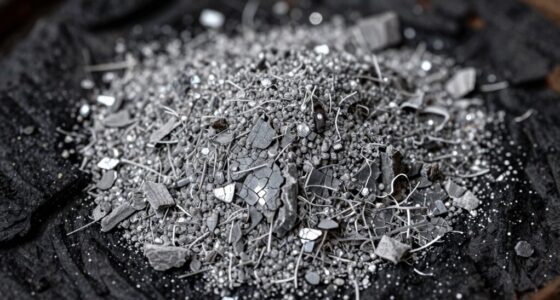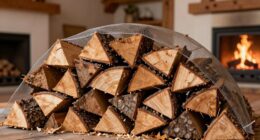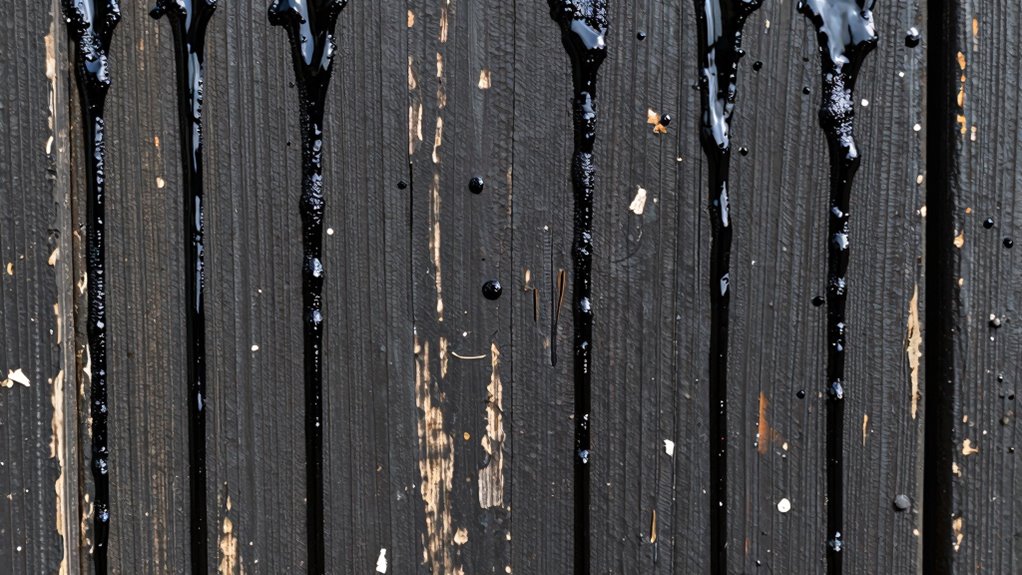

Creosote is a sticky, tar-like residue that forms inside your chimney when you burn wood, especially wet or green wood. It results from smoke particles and gases cooling and condensing on the chimney walls. To prevent dangerous buildup, burn dry, seasoned wood and have your chimney inspected and cleaned regularly. Ensuring a hot, efficient fire helps reduce creosote. Keep exploring to learn more about proper maintenance and safety tips to protect your home.

Get business pricing on tools and workshop supplies
- Business-only prices and quantity discounts
- Tax-exempt purchasing
- Multiple users, one account, clear invoices
Key Takeaways
- Creosote is a sticky, tar-like substance that forms inside chimneys from burning wood, especially unseasoned or green wood.
- It results from incomplete combustion, cooler fires, or burning wet wood, leading to soot and unburned particles condensing on chimney walls.
- Excessive creosote buildup increases fire risk, impairs airflow, and can cause dangerous smoke or carbon monoxide buildup.
- Prevent creosote by burning dry, seasoned wood, maintaining hot fires with proper oxygen flow, and conducting regular chimney inspections and cleanings.
- Use chimney caps, avoid smoldering fires, and operate stoves properly to minimize creosote formation and ensure safe, efficient operation.
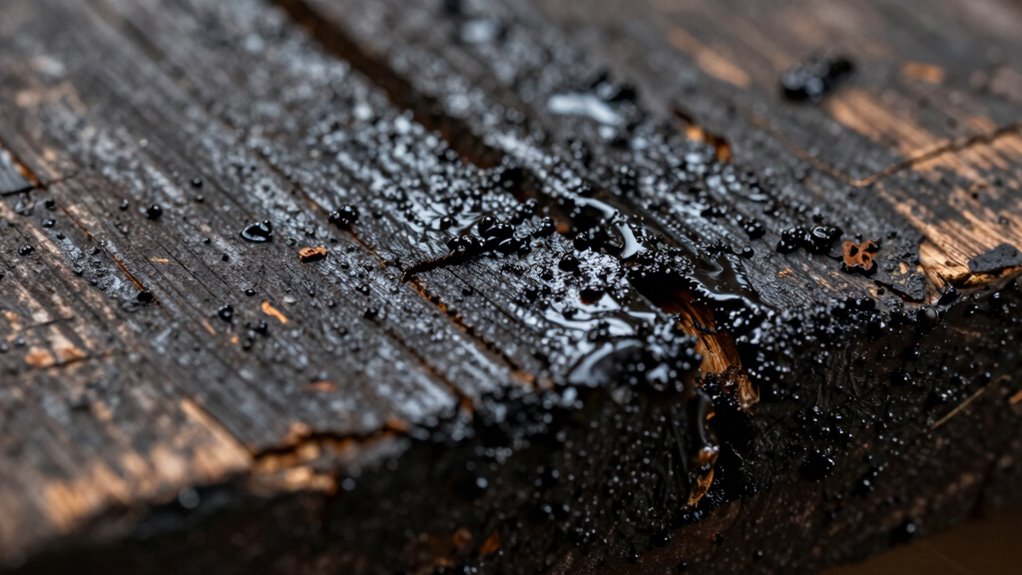
Have you ever wondered what creosote really is? It’s a sticky, tar-like substance that forms inside your chimney when you burn wood. While it might seem harmless at first, creosote buildup is a serious concern because it increases the risk of chimney fires and reduces the efficiency of your heating system. Understanding what creosote is and how to prevent it is key to safe and effective wood stove maintenance.
Creosote is a tar-like buildup in your chimney from burning wood, increasing fire risk and reducing efficiency.
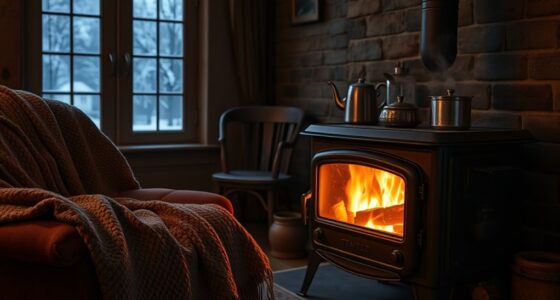
When you burn wood, especially if it’s not properly seasoned or if the fire isn’t burning hot enough, the smoke contains unburned particles and gases. As these gases cool down in your chimney, they condense and turn into creosote. This substance adheres to the interior walls of your chimney, gradually building up over time. If left unchecked, creosote can accumulate into thick layers that are highly combustible, creating a dangerous fire hazard. Routine chimney cleaning is essential to remove this buildup and keep your chimney safe and functioning efficiently.
Preventing creosote buildup starts with good wood stove maintenance. First, always burn dry, seasoned wood, which burns hotter and produces less smoke. Wet or green wood releases more unburned particles, leading to increased creosote formation. You should also ensure your fire is burning with enough oxygen to maintain a hot, clean burn. A hot fire reduces the amount of unburned gases and particles that create creosote. Regularly inspecting your chimney and cleaning it at least once a year will help you stay ahead of any dangerous buildup. If you notice a thick, black, tar-like residue during chimney cleaning, it’s a sign that you need to schedule a professional cleaning sooner rather than later.
Another aspect of wood stove maintenance involves proper operation techniques. Avoid smoldering fires, which produce cooler, less efficient burns and more creosote. Instead, aim for vigorous, hot fires that burn off the creosote as it forms. Using a chimney cap can also prevent debris and animals from introducing moisture or other materials that could accelerate creosote buildup. Remember, the key to preventing dangerous creosote accumulation is consistent maintenance, proper wood selection, and attentive operation. By keeping your chimney clean and your stove well-maintained, you’ll not only protect your home from potential fires but also improve your heating efficiency and save money on fuel.
A good understanding of the chimney design and construction can also help in managing creosote buildup by ensuring proper airflow and venting. Remember, the key to preventing dangerous creosote accumulation is consistent maintenance, proper wood selection, and attentive operation. By keeping your chimney clean and your stove well-maintained, you’ll not only protect your home from potential fires but also improve your heating efficiency and save money on fuel.
As an affiliate, we earn on qualifying purchases.
Frequently Asked Questions
Can Creosote Be Toxic to Humans or Pets?
Yes, creosote can be toxic to humans and pets. When you don’t maintain proper chimney safety, creosote buildup increases the risk of fires and toxic fumes. Pets are especially vulnerable to pet hazards from inhaling or ingesting creosote particles. To protect everyone, regularly clean your chimney, keep pets away during inspections, and guarantee proper ventilation. Staying vigilant helps prevent health issues and keeps your home safe.
How Often Should I Clean Creosote From My Chimney?
A stitch in time saves nine, so stay proactive. You should schedule a chimney inspection and cleaning at least once a year, especially if you burn wood frequently. If you notice more soot or creosote buildup, increase cleaning frequency accordingly. Regular maintenance prevents dangerous creosote fires and guarantees your chimney operates safely. Don’t wait until problems arise—staying ahead keeps your home safe and your fireplace efficient.
Are There Eco-Friendly Alternatives to Traditional Creosote?
You can explore eco-friendly alternatives to traditional creosote by using biodegradable options and sustainable treatments. These products are designed to reduce environmental impact while effectively managing creosote buildup. Look for treatments that are plant-based or biodegradable, as they break down naturally and are safer for your family and the planet. Incorporating these sustainable treatments into your chimney maintenance routine helps protect the environment without sacrificing safety or efficiency.
What Are the Health Risks of Creosote Buildup?
Creosote buildup poses serious health risks, including respiratory issues and skin irritation, especially if you handle it without proper safety measures. It also increases chimney fire hazards, threatening your home’s safety. Regular chimney cleaning helps prevent dangerous creosote accumulation, reducing fire risks and protecting your health. Prioritize chimney safety by scheduling inspections and cleanings to keep your chimney clear and safe from dangerous creosote deposits.
How Does Creosote Affect Fireplace Efficiency?
Creosote buildup reduces your fireplace’s efficiency by blocking airflow, causing poor combustion, and increasing ventilation issues. As creosote accumulates, it insulates the chimney, trapping heat and lowering heat transfer. This buildup also restricts proper draft, making it harder for smoke to escape. Regular cleaning prevents insulation of the chimney, maintains ideal ventilation, and ensures your fireplace burns hotter and cleaner, maximizing efficiency and safety every time you use it.
Conclusion
Now that you understand what creosote truly is, you can take steps to prevent it from building up. Think of it as a silent thief slowly stealing your chimney’s efficiency and safety—unless you act. Regular cleaning and proper maintenance are your best defenses. Don’t let creosote’s quiet threat turn into a costly problem. Stay vigilant, stay safe, and keep your fireplace burning brightly—because a clean chimney is a happy chimney.
Halloween Picks
halloween
As an affiliate, we earn on qualifying purchases.