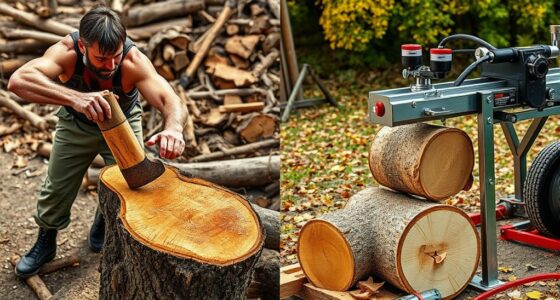
To keep your log splitter running smoothly, grease the designated grease points every 8 to 10 hours of use, or as specified in your manual. Before each application, clean off dirt and debris to prevent contamination and guarantee proper lubrication. Regularly greasing the parts helps prevent wear, leaks, and hydraulic failures. Staying consistent with this routine boosts performance and safety. If you want to learn more about proper maintenance, keep exploring these essential tips.

Get business pricing on tools and workshop supplies
- Business-only prices and quantity discounts
- Tax-exempt purchasing
- Multiple users, one account, clear invoices
Key Takeaways
- Grease log splitter points every 8 to 10 hours of operation, or as specified in the manufacturer’s manual.
- Regularly inspect and clean grease points before applying lubrication to prevent debris buildup.
- Use the manufacturer-recommended grease type for optimal lubrication and component protection.
- Turn off and disconnect the splitter, then release hydraulic pressure before performing lubrication.
- Consistent greasing ensures hydraulic efficiency, reduces wear, and extends the equipment’s lifespan.
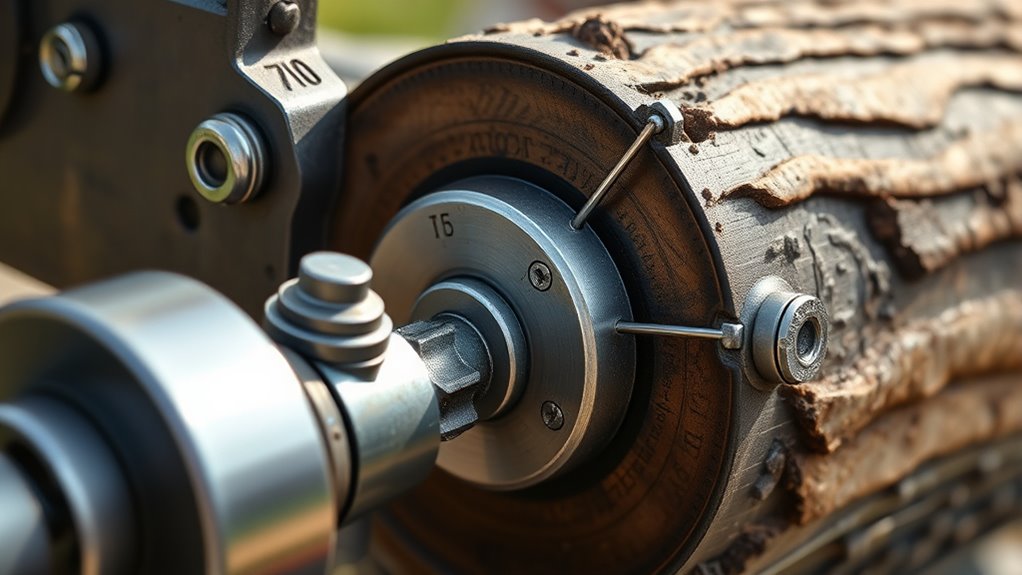
Regularly greasing your log splitter is vital to keep it operating smoothly and prevent costly repairs. Proper lubrication at the grease points ensures that the hydraulic components function correctly and reduces wear on moving parts. When you maintain these points, you’re not only extending the life of your equipment but also safeguarding yourself against potential hazards. Hydraulic maintenance becomes more manageable when you stay consistent with lubrication, as it helps prevent the buildup of debris and corrosion that can compromise seals and cylinders. By paying attention to these grease points, you guarantee that the hydraulic system remains sealed and operates efficiently, reducing the likelihood of leaks or hydraulic failures.
Before you start, it’s indispensable to follow safety precautions. Always turn off and disconnect the log splitter from the power source before applying grease. Wearing gloves and eye protection can keep you safe from accidental splashes of grease or hydraulic fluid. Make sure the splitter has cooled down if it’s been in use, as hot components can cause burns. Keep your workspace clean and organized so you can access all grease points easily without risking slips or falls. Remember, hydraulic systems are pressurized, so confirm that all pressure has been released before performing maintenance to avoid hydraulic fluid injection injuries. Taking these safety precautions helps prevent accidents and guarantees you can perform maintenance confidently and efficiently.
Knowing the intervals for greasing your log splitter is key to effective maintenance. Typically, you should grease the points after every 8 to 10 hours of use, but consult your equipment’s manual for specific recommendations. Regular intervals help you catch issues early, such as signs of wear or insufficient lubrication, which can lead to more significant problems if ignored. During each maintenance session, inspect the grease points for excess dirt or debris, and clean them before applying fresh grease. Using the correct type of grease specified by the manufacturer ensures maximum lubrication and prevents damage to seals and other components. Consistency in your maintenance routine not only keeps the hydraulic system running smoothly but also minimizes the risk of hydraulic failure, which can be dangerous and costly.
As an affiliate, we earn on qualifying purchases.
Frequently Asked Questions
How Do I Identify Hidden Grease Points on My Log Splitter?
To identify hidden grease points on your log splitter, check the hydraulic fluid reservoir and any accessible engine components, as these often need lubrication. Look for small caps or fittings near moving parts, joints, and pivots. Regular engine maintenance includes inspecting these points. Use a grease gun on these fittings, ensuring the hydraulic system remains sealed and properly lubricated, which helps prevent wear and keeps your splitter running smoothly.
Can I Use Any Type of Grease for the Splitter?
Did you know that using the wrong grease can reduce your log splitter’s lifespan by up to 30%? You shouldn’t just use any type of grease; instead, choose oil selection carefully. Stick to manufacturer-recommended grease types to make certain of proper lubrication and protection. Using incompatible grease can cause parts to seize or wear out faster, so always verify the specific grease type recommended for your splitter to keep it running smoothly.
What Are Signs of Insufficient Lubrication in the Splitter?
You’ll notice signs of insufficient lubrication in your splitter if it makes unusual noises, moves slowly, or shows signs of rust and corrosion. Regularly check your lubrication frequency as part of your maintenance checklist to prevent these issues. Lack of proper lubrication can cause increased wear and tear, leading to breakdowns. Keep an eye on these signs and confirm you’re maintaining proper lubrication to keep your splitter running smoothly and efficiently.
How Do Weather Conditions Affect Grease Intervals?
Weather impact can considerably influence your grease intervals. Cold temperatures can cause grease to thicken, making it harder to flow and lubricate properly, so you might need to grease more frequently during winter. Conversely, hot weather accelerates grease breakdown, requiring more frequent lubrication in summer. Seasonal adjustments, like checking grease levels often and using suitable lubricants, help maintain ideal performance and prevent damage caused by weather conditions.
Are There Safety Precautions for Applying Grease During Operation?
Yes, you should wear protective gear like gloves and safety goggles when applying grease during operation to prevent injuries. Always make sure the log splitter is turned off and disconnected from power before greasing. Know the location of emergency stops, so you can quickly shut down the machine if needed. These precautions help you stay safe and avoid accidents while maintaining proper grease application during operation.
Conclusion
Keeping your log splitter properly greased is essential for smooth operation and longevity. By regularly checking the grease points and following the recommended intervals, you can prevent costly repairs and downtime. Did you know that neglecting lubrication can reduce your log splitter’s lifespan by up to 50%? Stay proactive with maintenance, and your equipment will run efficiently for years to come. Don’t forget—consistent care makes all the difference in keeping your splitter in top shape.
Fall yard work Picks
leaf blowers
As an affiliate, we earn on qualifying purchases.