Foamy hydraulic oil signals trouble like air contamination, leaks, or improper maintenance. When foam forms, it often means air is mixing with the fluid due to worn seals, damaged components, or moisture exposure. This can reduce system efficiency and cause wear or failure over time. Addressing these issues early can prevent costly repairs. Keep an eye out for clues your system shows—you’ll find useful tips on how to fix them if you keep looking.

Get business pricing on tools and workshop supplies
- Business-only prices and quantity discounts
- Tax-exempt purchasing
- Multiple users, one account, clear invoices
Key Takeaways
- Foaming indicates possible contamination or air ingress, signaling the need for system inspection and maintenance.
- Persistent foam can cause reduced efficiency and increased wear, warning of underlying component issues.
- Regular checks for leaks, damaged seals, or worn parts help prevent foam caused by air leaks.
- Contaminants like dirt or moisture in the fluid promote foaming and should be controlled through proper filtration.
- Using incompatible or degraded hydraulic fluid can trigger chemical reactions, leading to foam formation.
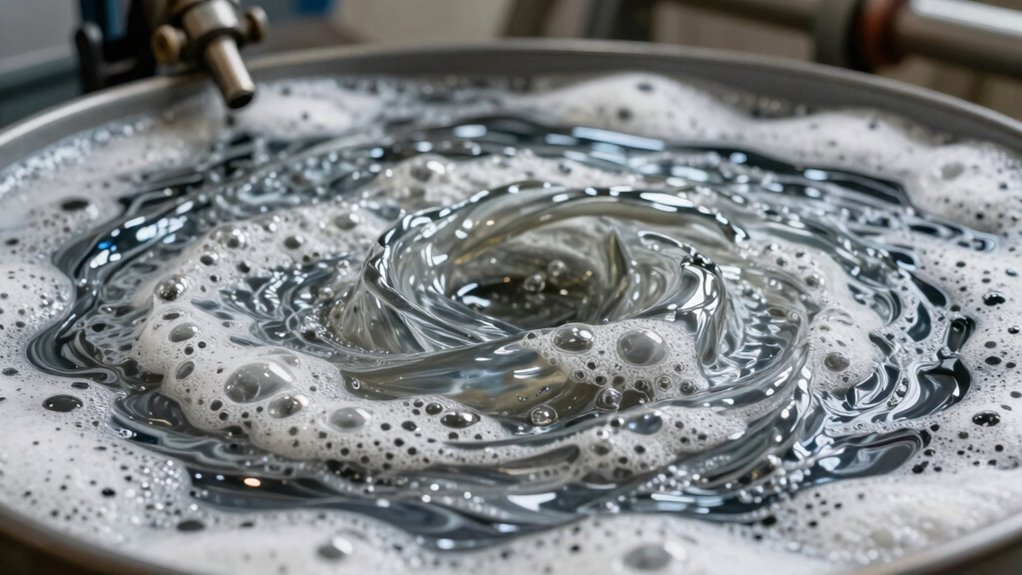
Ever wondered why your hydraulic system produces foamy oil? This issue isn’t just a minor annoyance; it’s a clear sign that something isn’t right. Foaming occurs when air mixes with the hydraulic fluid, leading to reduced efficiency, increased wear, and potential system failure. Recognizing the warning signs early can save you costly repairs down the line.
Foamy hydraulic oil signals contamination, component issues, or improper maintenance—act early to prevent costly system failures.
Contamination prevention plays a crucial role in stopping foam formation. Dirt, moisture, and particles can introduce air into the system or compromise the oil’s integrity, making foaming more likely. Keeping your system clean is essential. Regularly inspecting and replacing filters ensures contaminants don’t bypass filtration, which can lead to air pockets forming in the fluid. Make sure to store hydraulic fluid properly in sealed containers, avoiding exposure to moisture that can cause aeration once the fluid circulates inside the system. Proper sealing and cleanliness are your first lines of defense against contamination. Additionally, using the correct type of hydraulic fluid helps maintain the system’s integrity and prevents foaming caused by incompatible oils. Ensuring proper fluid compatibility can prevent chemical reactions that lead to foam formation.
When it comes to maintenance techniques, you need to pay close attention to the fluid levels and quality. Overfilled or underfilled reservoirs can cause turbulence that traps air, leading to foam. Always check and maintain the correct fluid level as specified by the manufacturer. Additionally, periodically replacing the hydraulic fluid helps prevent the breakdown of oil properties that can lead to aeration and foaming. Use the right type of hydraulic fluid for your system to guarantee peak performance and minimize the risk of foam formation. Proper fluid maintenance is essential to ensure the hydraulic system functions smoothly and efficiently. Regularly checking for air leaks in the system’s components can also prevent the introduction of bubbles that cause foaming.
Another key maintenance technique involves inspecting and maintaining the system’s components. Worn or damaged pumps, valves, and seals can cause air leaks, which introduce bubbles into the fluid. Regularly inspecting these parts and replacing them when necessary keeps the system sealed and prevents unnecessary air ingress. Proper contamination prevention and a focus on system integrity are essential for avoiding aeration issues. Paying attention to these details can significantly extend the lifespan of your hydraulic equipment.
As an affiliate, we earn on qualifying purchases.
Frequently Asked Questions
Can Foamy Hydraulic Oil Cause System Failure?
Yes, foamy hydraulic oil can cause system failure. When oil becomes foamy, it indicates trapped air or low oil viscosity, which reduces lubrication and pressure. This can strain your hydraulic filter, leading to clogging or damage. You should check the oil viscosity and guarantee proper sealing to prevent air entry. Addressing foamy oil promptly helps maintain system efficiency and prevents costly repairs.
How Often Should Hydraulic Oil Be Checked for Foam?
You should check hydraulic oil for foam at least once a month during your maintenance schedule. Regular inspections help identify foam early, which can indicate issues like air entrainment or filtration problems. Keep an eye on oil filtration systems, ensuring they’re clean and functioning properly. Addressing foam promptly prevents system failure, reduces wear, and extends equipment life. Make foam checks a routine part of your maintenance to keep hydraulic systems running smoothly.
What Are the Long-Term Effects of Foamy Oil?
If you ignore foamy oil, you’ll face long-term effects like decreased oil viscosity and accelerated component wear. Over time, the foam traps air, reducing lubrication efficiency and forcing you into costly repairs. Skipping regular maintenance schedules allows contaminants to build up, worsening the problem. So, treat foamy hydraulic oil like a warning sign—heed it now, and save yourself from more serious, expensive issues down the road.
Can I Fix Foamy Oil Myself?
Yes, you can fix foamy oil yourself, but it requires proper hydraulic maintenance. Start by checking the oil filtration system, ensuring filters are clean and functioning correctly. If the foam persists, consider draining and replacing the hydraulic oil, and then recheck for air leaks or contamination. Regular maintenance helps prevent future foaming issues, so keep an eye on fluid levels and filter conditions to maintain best hydraulic system performance.
Does Foam Indicate Contamination or Just Air Intrusion?
Foam in hydraulic oil usually indicates air intrusion, but it can also signal system contamination. Air getting into the system creates foam, which reduces efficiency and can cause damage if ignored. Contaminants like dirt or water can also cause foaming. To address this, check for leaks or loose fittings that let air in, and inspect for contamination sources. Regular maintenance helps prevent both air intrusion and system contamination, keeping your hydraulic system running smoothly.
Conclusion
When your hydraulic oil’s frothy dance begins, it’s whispering that trouble’s brewing beneath the surface. Don’t ignore the bubbles—they’re like a warning siren, signaling potential leaks or contamination. Think of your machinery as a living, breathing beast; if it’s coughing up foam, it’s trying to tell you something’s wrong. Act swiftly, and you’ll keep the gears turning smoothly, preventing small hiccups from becoming catastrophic breakdowns. Listen to the oil’s murmur before it roars into chaos.
Fall yard work Picks
leaf blowers
As an affiliate, we earn on qualifying purchases.