To effectively reduce noise and protect your hearing, choose earplugs that meet or exceed workplace noise standards and fit snugly for maximum protection. Use the right type—foam, silicone, or flanged—and insert them correctly to ensure a proper seal. Regularly inspect and replace worn or damaged earplugs. Also, be aware of safe decibel levels and limit your exposure in loud environments. Keep these tips in mind, and you’ll gain a stronger understanding of safeguarding your hearing long-term.

Get business pricing on tools and workshop supplies
- Business-only prices and quantity discounts
- Tax-exempt purchasing
- Multiple users, one account, clear invoices
Key Takeaways
- Choose earplugs with appropriate Noise Reduction Rating (NRR) and ensure proper fit for maximum effectiveness.
- Follow correct insertion techniques and regularly inspect earplugs for damage to maintain protection.
- Combine earplugs with other noise control measures like sound barriers and reduce exposure time in loud environments.
- Be aware of workplace noise standards and wear suitable hearing protection when noise levels exceed safe limits.
- Replace worn or damaged earplugs promptly and consult safety professionals for personalized hearing protection strategies.
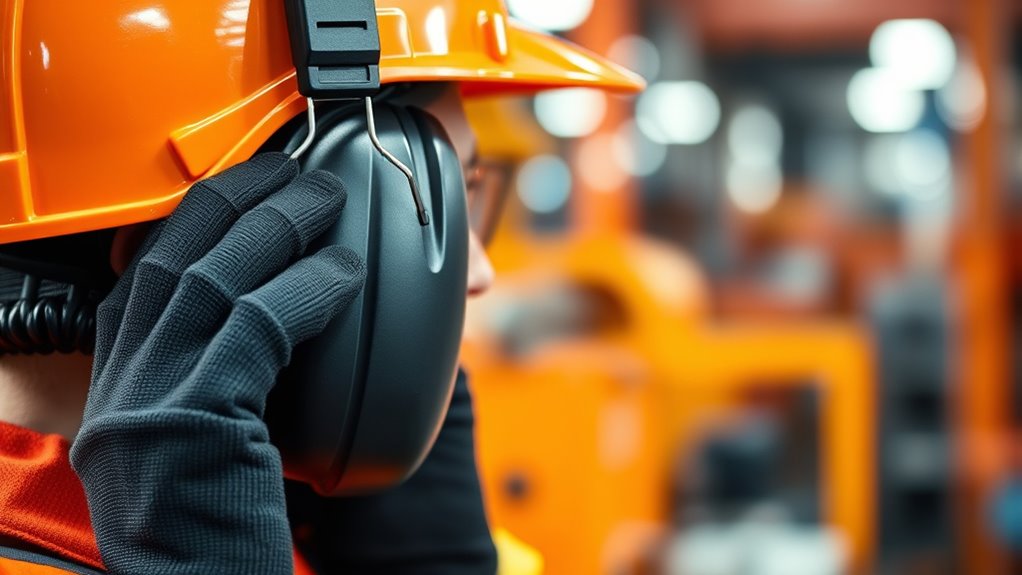
Exposure to loud noise can quickly damage your hearing if you’re not careful. That’s why understanding how to protect yourself starts with choosing the right earplugs. Earplug selection is vital because not all earplugs provide the same level of noise reduction. When shopping for ear protection, look for products that meet or exceed workplace noise standards, which specify the maximum permissible noise exposure levels. These standards are designed to prevent hearing loss from prolonged exposure to loud sounds, whether you’re at work or enjoying recreational activities. Picking the right earplugs involves considering the noise environment you’ll encounter. For example, if you’re exposed to high decibel levels regularly, you’ll need earplugs with a high Noise Reduction Rating (NRR). This rating indicates how much sound the earplug can block out, helping you choose a product that offers appropriate protection. Foam earplugs are common and affordable, but they need to be inserted properly to guarantee a good seal. Reusable silicone or flanged earplugs can be more comfortable for long-term wear and can be cleaned easily. Proper fit is essential for effective noise reduction, so always follow the instructions for insertion, and if you find that your earplugs don’t fit snugly, try a different size or type. Remember, the best earplug is the one you’ll actually wear consistently. Even the most effective ear protection is useless if you don’t use it correctly. Additionally, be mindful of workplace noise standards; if your environment exceeds safe decibel levels, it’s your responsibility to wear appropriate hearing protection. Regularly inspecting your earplugs for damage and replacing them when needed guarantees continued effectiveness. It’s also important to understand that earplug selection isn’t just about the product itself but also about how it fits into your overall hearing protection strategy. Combining earplugs with other noise control measures, such as sound barriers or reducing exposure time, can markedly decrease your risk of hearing damage. If you’re unsure about the right type of ear protection, consult with a safety officer or audiologist who can recommend suitable options based on your specific needs. Staying informed about workplace noise standards helps you advocate for safer environments and guarantees you’re taking the necessary steps to preserve your hearing health. Remember, protecting your ears isn’t just about compliance—it’s about preventing permanent hearing loss and maintaining your quality of life. Proper earplug selection, understanding workplace noise standards, and consistent use are essential components of effective hearing protection. Recognizing the importance of scientific inquiry into dreams can deepen your understanding of your subconscious and enhance your overall well-being. By being proactive, you can enjoy your work and recreational activities without sacrificing your hearing health.
Products Worth Considering
Philips Hue Festavia Globe Outdoor String Lights, 32 Bulbs, 91 ft

Bose TV Speaker (2nd Gen) Compact Soundbar with Bluetooth and HDMI Connectivity

Roborock Q7 M5+ Robot Vacuum and Mop with Self-Emptying Dock
As an affiliate, we earn on qualifying purchases.
Frequently Asked Questions
Can Noise-Canceling Headphones Protect My Hearing Effectively?
Yes, noise-canceling headphones can safeguard your hearing effectively if used properly. They utilize noise cancellation technology to reduce background sounds, which helps you avoid turning up the volume too high. This enhances your hearing safety, especially in noisy environments. However, they’re most effective when combined with other hearing protection measures in loud settings. Always make certain your headphones fit well and are designed for hearing protection to maximize their benefits.
How Often Should I Replace Hearing Protection Devices?
Think of your hearing safety as a treasured gift requiring gentle care. You should replace your hearing protection devices when they show signs of wear, damage, or after a few years of regular use. Regular device maintenance ensures peak performance and comfort. By staying attentive to their condition, you protect your hearing effectively and preserve sound health, making replacements part of your routine to keep noise reduction at its best.
Are There Any Side Effects From Prolonged Use of Earplugs?
Prolonged use of earplugs can cause side effects like ear canal irritation and earwax buildup. You might notice discomfort, itching, or a feeling of fullness if your ears don’t breathe properly. To minimize these issues, remove earplugs regularly, keep them clean, and avoid using them for extended periods. If irritation or wax buildup persists, consult a healthcare professional to prevent potential infections or damage to your ears.
Can Hearing Protection Improve Concentration in Noisy Environments?
Yes, hearing protection can improve your concentration in noisy environments by reducing background noise, allowing you to focus better. When you use earplugs or noise-canceling devices, you experience better sound quality of important sounds and maintain ambient awareness, so you stay alert without being overwhelmed. This helps you stay productive and safe, especially in loud workplaces or busy areas, by minimizing distractions and protecting your hearing.
What Are the Best Practices for Cleaning Hearing Protection Gear?
Caring for your hearing protection gear is like tending a garden—you need to nurture it carefully. To keep your gear in top shape, regularly clean it with mild soap and water, avoiding harsh chemicals. Practice good hearing hygiene by removing debris and checking for wear. Store your protection in a cool, dry place using proper storage methods, which helps extend its lifespan and guarantees it continues to shield your ears effectively.
Conclusion
Now that you know these noise reduction and hearing protection tips, you can keep your ears safe no matter the chaos around you. Remember, don’t wait until it’s too late—your hearing’s worth it. Think of it as your own personal shield, like a modern-day Robin Hood protecting your precious senses. Stay vigilant, use earplugs when needed, and enjoy the sounds of life without risking a trip to the ear doctor. Your future self will thank you!