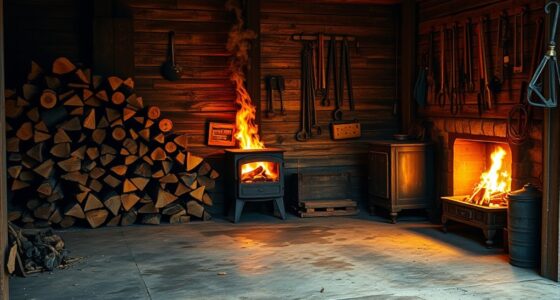

To burn softwood cleanly and prevent chimney buildup, choose seasoned, dry wood like pine or spruce, and guarantee it’s well-processed, seasoned for at least 6-12 months. Always start fires with proper ventilation and avoid green or unseasoned wood. Regularly inspect and clean your chimney, and install a cap to block debris. Maintaining an efficient, well-managed fire minimizes creosote, smoke, and soot, helping your chimney stay cleaner longer. Continue exploring for even more tips on eco-friendly burning.

Get business pricing on tools and workshop supplies
- Business-only prices and quantity discounts
- Tax-exempt purchasing
- Multiple users, one account, clear invoices
Key Takeaways
- Use well-seasoned, dry softwood like pine or spruce to ensure cleaner, more complete combustion.
- Maintain regular chimney inspections and cleanings to prevent creosote buildup and ensure optimal airflow.
- Install a chimney cap to prevent debris and animals from entering, reducing blockages and soot accumulation.
- Ensure proper ventilation during burning to disperse smoke and combustion byproducts effectively.
- Burn smaller, hotter fires with properly sized wood to promote efficient burning and minimize soot and smoke emissions.
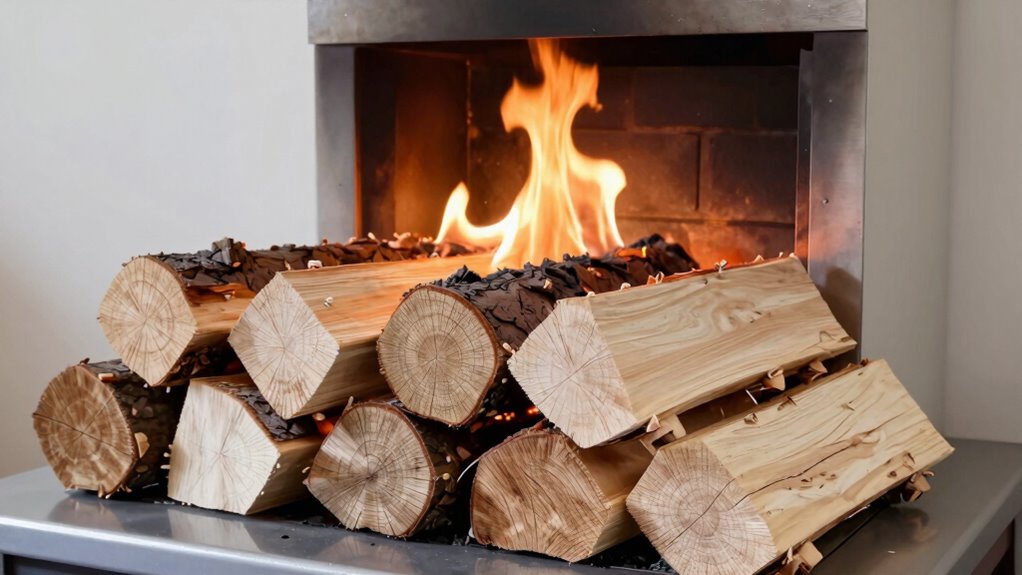
Have you ever wondered if there’s a more hygienic way to burn softwood? If you’re looking to enjoy cozy fires without the messy aftereffects or frequent chimney cleaning, you’re in the right place. Burning softwood efficiently involves more than just choosing the right wood; it requires paying close attention to fireplace safety and proper fireplace maintenance. When you prioritize these aspects, you can minimize creosote buildup, reduce smoke emissions, and keep your chimney cleaner for longer periods.
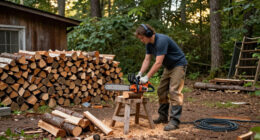
First, focus on selecting the right type of softwood. Dry, seasoned softwood like pine or spruce burns cleaner and produces less creosote compared to green or unseasoned wood. Seasoning involves drying the wood for at least six to twelve months, which reduces moisture content and ensures a more complete burn. This not only improves heat output but also diminishes the risk of dangerous chimney fires caused by creosote deposits. Properly seasoned wood is easier to ignite and burns more efficiently, cutting down on smoke and soot that contribute to chimney buildup.
Next, make sure your fireplace is well-maintained. Regular fireplace maintenance is crucial for safety and efficiency. Before each fire, inspect your chimney and flue to ensure they’re free of obstructions, nests, or creosote buildup. Installing a chimney cap can help prevent debris, animals, and rain from entering, which can compromise fireplace safety. Once a year, it’s advisable to have a professional chimney sweep thoroughly clean and inspect your chimney. This proactive approach prevents dangerous creosote accumulation and reduces the chances of chimney fires. When you keep your fireplace in top condition, you’re not only safeguarding your home but also making each burn cleaner and more efficient. Additionally, understanding the importance of biodiversity in maintaining healthy ecosystems can inspire more sustainable and eco-friendly practices around your home heating methods. Incorporating sustainable heating practices can further reduce environmental impact and promote cleaner air quality. A focus on fireplace safety also contributes to overall home safety and reduces the risk of accidental fires. Moreover, using proper ventilation can help improve indoor air quality by dispersing smoke and combustion byproducts more effectively.
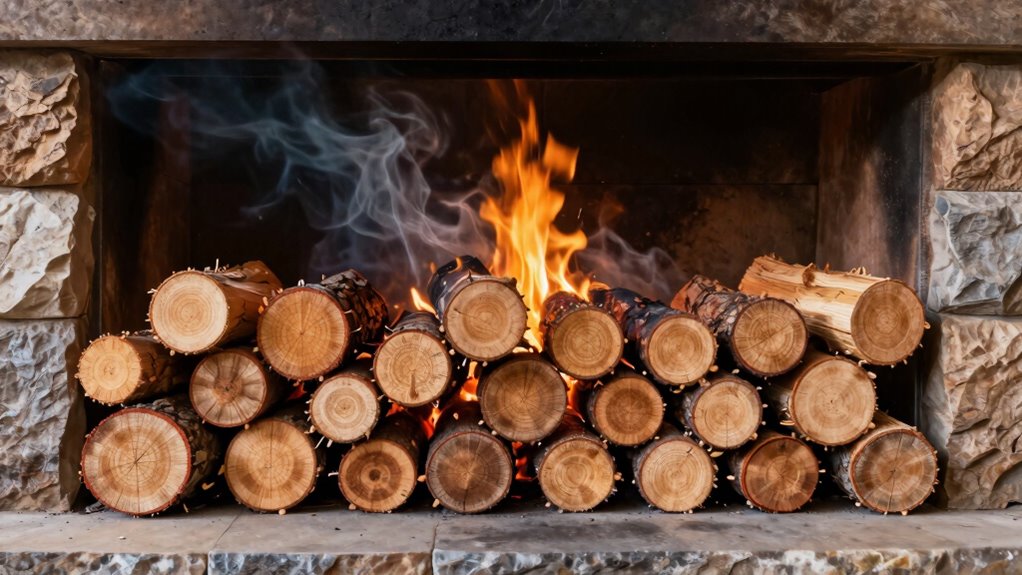
seasoned softwood firewood for fireplace
As an affiliate, we earn on qualifying purchases.
As an affiliate, we earn on qualifying purchases.
Frequently Asked Questions
Can Softwood Be Burned Safely in an Indoor Fireplace?
Yes, you can burn softwood safely in an indoor fireplace if you properly season it first. Make sure the wood is dried for at least six to twelve months, which enhances combustion and reduces creosote buildup. Always prioritize fireplace safety by using seasoned softwood, maintaining good airflow, and regularly cleaning your chimney. This approach minimizes smoke, sparks, and fire hazards, ensuring a cleaner, safer burning experience.
What Are the Best Softwood Species for Clean Burning?
You should choose softwood species like cedar, poplar, or pine for cleaner burning. These woods generally have lower resin content, which enhances combustion efficiency and reduces soot buildup. Always guarantee your softwood is well-dried, ideally seasoned for at least 6-12 months, to maximize clean combustion. Properly selecting and preparing your softwood improves efficiency, minimizes creosote deposits, and keeps your chimney cleaner while providing efficient heat.
How Often Should I Inspect My Chimney for Creosote Buildup?
Think of your chimney as a garden that needs regular tending. You should inspect it at least once a year for creosote buildup, especially after heavy use or burning softwood. Regular chimney maintenance keeps creosote safety in check, preventing dangerous fires. If you burn frequently, consider more frequent inspections. Staying vigilant guarantees your chimney remains a safe, efficient pathway for your warmth, not a ticking time bomb.
Are There Any Additives to Improve Softwood Combustion?
Yes, there are chemical enhancers available that can improve softwood combustion, helping it burn cleaner and hotter. When choosing an additive, always prioritize additive safety by following the manufacturer’s instructions and avoiding products with harmful chemicals. These enhancers can boost efficiency and reduce creosote buildup, but use them sparingly and guarantee they’re compatible with your stove or fireplace to avoid damage or safety hazards.
What Are the Environmental Impacts of Burning Softwood?
Imagine you’re a modern-day pioneer, facing the environmental impacts of burning softwood. Burning softwood can release particulate matter and greenhouse gases, affecting air quality and contributing to climate change. If you’re mindful of forest sustainability, you’ll want to burn seasoned, responsibly harvested wood to guarantee harm. This way, you help protect air quality and affirm forests stay healthy for future generations, balancing your warmth with environmental care.
Conclusion
By following these tips, you’ll keep your chimney clear and your home warm without the smoke and soot that can cloud your comfort. Think of your chimney as a delicate garden—if you care for it properly, it’ll flourish and serve you well for years to come. With the right burning techniques, you can enjoy the cozy glow of softwood while keeping your fireplace running smoothly. Now, go ahead and light up with confidence!
Halloween Picks
halloween
As an affiliate, we earn on qualifying purchases.